Languages
Sunday, November 8, 2026



News and Views from the Global South
Poverty & MDGs
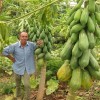
Brazil Defends Credentials as Rio+20 Host
The government of Brazil, which will host the United Nations Conference on Sustainable Development (Rio+20) in June, defended itself from ecologists who lambasted its performance on the environmental front.European NGOs Put IFIs Under Microscope
European civil society organisations continue to demand that international financial institutions (IFIs) such as the World Bank and the International Monetary Fund apply the same standards of transparency and accountability to their internal affairs that they demand for governments across the world.
Mexico’s Corn Festivals – a Haven from Transgenic Crops
Catalina Salvador, an 87-year-old peasant farmer who grows pumpkins, beans, and above all corn on her small plot of land, was one of the opponents of transgenic crops who took part in the traditional corn festival in San Juan Ixtenco in the central Mexican state of Tlaxcala.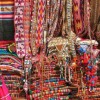
Native Andean Women Weave a Future in Bolivia
Their skill and dexterity in weaving textiles, to be worn on festive occasions or displayed in windows for sale to tourists, have become the mainstay of indigenous women and their families in Cochabamba, Bolivia.
‘Slum Cities’ Need Better Planning
Sri Lanka’s capital city Colombo, the vibrant economic and administrative heart of the bustling island nation, is rapidly turning into a city of slums. Home to over 30 percent of the country’s population, one in every two people living in the Greater Colombo Area is a slum dweller.
Where Men Now Fear to Tread
No man, except for those raised here as children, lives in Umoja village in Kenya; one has not for two decades. It is a village only of and for women, women who have been abused, raped, and forced from their homes.
Latrines Critical to Keeping Kids in South Sudan’s Schools
Before Bor B Primary School built latrines on the school grounds two years ago, students would leave during their first break to head home. Most did not come back until the next morning.
After Ten Years of Peace, “Angola’s Future is Dark”
Angola is celebrating 10 years of peace on Apr. 4. Since the end of its 27-year- long civil war in 2002, the country’s economy has prospered thanks to oil. But experts fear that parliamentary elections later this year could return the country to violence and instability.South Africa Looking to Make the Most of BRICS Membership
South Africa needs to stop agonising over whether it deserves to be in BRICS and start focusing on making the most of its membership to leverage better trade deals.Mauritania – Small Steps Towards Ending Female Genital Mutilation
A multi-pronged strategy to end female genital mutilation in Mauritania is making gradual progress, though campaigners acknowledge much remains to be done in a country where more than two-thirds of girls suffer excision.
Q&A: “We Need to Change the Economics of Development”
After Latin America and the Caribbean's "lost decade" of the 1980s, the region has experienced a period of "light and shadow", says Alicia Bárcena, executive secretary of the U.N. Economic Commission for Latin America and the Caribbean (ECLAC).
Maldivian Women Fight for Rights
Maldivian women, long used to taking a backseat in the Muslim-dominated Indian Ocean country, say they are determined to ensure that they are not deprived of their rights under the new regime of President Mohammed Waheed Hassan.Afghan Women Victims Not Perpetrators of ‘Moral Crimes’
Mursal, a beautiful 19-year-old girl who has run away from home to escape a mentally ill husband, is just one of many Afghan women and girls who are now considered criminals under the country’s laws on ‘morality.’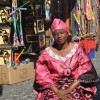
BRICS Ministers Say New Trade Narrative Sinks Development
Trade ministers of the BRICS countries - Brazil, Russia, China, India and South Africa – say that at the G20 trade ministerial summit later this month in Mexico they will try to ensure that attempts by industrialised countries to frame a new trade agenda do not drown development-led trade liberalisation and the World Trade Organization talks.
Liberia’s Government Finding a Way to End FGM
"There were three people. One person was holding me down; one person was holding my hand; and the other person was doing the job. They lay me down, and…" Fatu said of the female genital mutilation she underwent as an eight- year-old in Liberia.
Wind Turbines Bring Relief and Resentment to Pakistan
"I still cannot fathom how electricity can be produced by the wind," said a nonplused Mohammad Ahmed, a 55-year-old local baker, as he gazed up at a row of giant wind turbines.
Payments for Environmental Services Skip Rural Women in Mexico
Despite the key role they play in caring for natural resources in the face of climate change, rural women in Mexico do not benefit from payments for environmental services, say activists and experts.
Breastfeeding, Not Formula, for South Africa’s HIV-Positive Mothers
South Africa's nine provinces will begin phasing out provision of free formula to HIV-positive mothers and implement a new policy on breast-feeding from Sunday. But despite the clarity of the policy and its supporting data, vocal critics, including respected individuals from leading medical and academic institutions, have decried the choice.
Women Pay for Kashmir’s Water Woes
Naseema Akhtar, 38, worries that her daily treks to collect clean water from the mountain springs around her village of Bonpora, in Kashmir’s Kupwara district, are getting longer. She is already doing more than seven km every day.
Brazil and South Africa Hit Hard by Exchange Rate Complications
Brazil and South Africa have experienced a widespread contraction of their manufacturing industries, with the latter suffering massive unemployment as well, thanks to the rampant volatility and misalignment of dominant global currencies like the dollar, trade experts from the two countries say.ARGENTINA: Lack of Information Raises Risk of Cervical Cancer
A novel research study in Argentina explored women's knowledge and beliefs about cervical cancer, in the provinces with the highest mortality from this highly preventable form of cancer, to design more effective policies.« Previous Page — Next Page »





