Languages
Saturday, October 17, 2026



News and Views from the Global South
Southern Africa
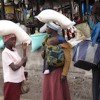
AFRICA: Women Traders Confronting Sexual Harassment at Borders
Harassment and sexual exploitation by border officials seeking bribes constitute the biggest obstacles for female informal cross-border traders in Africa, according to a United Nations Development Fund for Women (UNIFEM) research study.
AFRICA: More Commitment to Education Needed
African nations lack the political will to provide access to primary education to all children, according to the Global Campaign for Education (GCE), a coalition of organisations in 100 countries.
Gender-Based Violence Wracks Malawi Refugee Camp
At the age of 13, Chantal Kifungo* is mother to a ten-month-old baby girl. It wasn’t her choice. Almost two years ago, she was raped by her stepfather – and fell pregnant with his child.
SOUTH AFRICA: Coal – A New Solution to Fuel Problems?
A new solution to power and fuel problems worldwide may be developed by using a resource long characterised as dirty and non-renewable: coal.
TRADE: South Africa Flexing its Muscles With Poor Neighbours
The beleaguered Southern African Customs Union (SACU) has to face up to serious challenges at its upcoming heads of state meeting in October, including the divergent interests of its member states and the lack of coordinated industrial policies in the union.
MOZAMBIQUE: BHP Billiton Plans Six Month Bypass of Smelter Smokestack Scrubbers
Civil society groups are challenging a six-month authorisation granted aluminium giant BHP Billiton to emit potentially dangerous fumes from its Mozal smelter into the air without treating them first.
South Africa’s Progress on MDGs Questioned
With five years left till the Millennium Development Goals' 2015 deadline, civil society groups say South Africa has made progress on some goals but regressed on others.SOUTHERN AFRICA: Social Protection, a Human Right?
Without contributions from well wishers and government grants of between 68 and 104 dollars per month per child, the House of Mother and Child in Ennerdale, south of Johannesburg, would barely be able to provide for the 18 vulnerable children who call the place home.
AFRICA: “Future Lies in a Free Trade Area From Cape To Cairo”
African governments’ ambitious plan for a tripartite free trade area (FTA), stretching from South Africa to Egypt, could be more realistic than getting existing ineffective regional customs unions on the continent to work.
SOUTHERN AFRICA: Paying for Social Protection
Despite the Southern Africa region sustaining an annual growth rate of six percent, the U.N. Summit on the Millennium Development Goals will hear that the majority of Southern Africans remain among the poorest people in the world.
SOUTHERN AFRICA: Small Amounts of Cash Make a Big Difference
After being diagnosed HIV-positive Margaret Bikyele could not even manage the simplest of household chores, let alone being able to work to generate an income for her and her two sons.
ECONOMY-SOUTHERN AFRICA: Threat of States Collapsing Looms Large
The mooted restructuring of the revenue-sharing agreement of the world’s oldest customs union could lead to at least two of its Southern African members collapsing into "failed states" status as well as macroeconomic crises in two of their neighbours in the sub-region.
Financing Public Health in Africa
Campaigners for increased health financing welcome the commitment by African Union member states to direct more resources to health. But the needs of the continent seem to dwarf available budgets.
Better Nutrition On the Menu for Zambia
Eighty percent of Zambians live on less than two U.S. dollars a day, a situation that has contributed to high levels of hunger and malnutrition for a majority whose staple diet consists largely of white maize.Kidnapping Spurs Fresh Call to End Impunity in DR Congo
Civil society is calling for an end to impunity for the harassment of human rights activists in the Democratic Republic of Congo. The renewed call comes as an activist kidnapped at the end of August have described their detention and torture by uniformed captors.Irrigation Transforms Lives in Southern Zimbabwe
More than a million people will need food aid in Zimbabwe this year. As the government looks to boost agriculture production, one rural community is leading the way by using irrigation schemes to improve food security and income.ZIMBABWE: Big Market, Bigger Challenges for Matabeleland Farmers
Most fruits and vegetables sold in Bulawayo are imported from South Africa, because farms immediately around Zimbabwe's second city cannot meet demand. Locals are paying high prices as a result.
SOUTH AFRICA: Greening Project Creates Income and Food Security
Frances Mandla is visibly filled with pride. Together with her colleague, Nouniform Nqevu, she stands tall and smiling in front of a wide bed of lush spinach. The harvest will be their ticket to a better life. A life where there is enough money to buy food, clothes and pay school fees.
Harvesting Water to Save Crops and Lives
Peter Kivuti, a 51-year-old farmer from Eastern Kenya, never relied on meteorological weather predictions all his life - until three years ago. It was then that rainfall in the region become less predictable.
AFRICA: Governments Failing to Take the Threat of HIV Seriously
Experts worry that African governments are failing to take the threat of HIV seriously enough by not dedicating enough of their resources to prevention of mother-to-child transmission (PMTCT) efforts.
ZIMBABWE: A Long Dry Season
Headmaster Njabulo Mpofu has weathered long dry spells before, but the water troubles affecting his school in the arid Midlands region of Zimbabwe are severe.« Previous Page — Next Page »





The Week with IPS

NEXT STOP - SDGs
Tracking global progress towards a sustainable world
Tracking global progress towards a sustainable world
