Languages
Thursday, November 5, 2026



News and Views from the Global South
Argentina vs Holdouts Could Set Precedent for Future Debt Crises
The fate of countries with major debt problems is at stake in federal courts in New York, which are to decide in April whether or not they accept Argentina’s proposal to the bondholders who rejected two restructurings of sovereign debt.
Now Gaza’s Ark Prepares to Dare Israel
“An ark is literally a large floating vessel designed to keep its passengers and cargo safe,” say the group preparing ‘Gaza’s Ark’. But their ark, they say, is “a vessel that embodies hope that the Palestinians of the Gaza Strip can soon live in peace without the threat of the Israeli blockade.”
Small Miners – from Digging in Danger to Becoming Legal
Congolese small-scale miner Elizabeth Tshimanga has made a successful living from prospecting. But like many artisanal miners in Africa, hers has been a long and tough journey marred by harassment and disputes over her legal status as a miner.
Group Warns of “Natural Resources Giveaway” in Latin America
Researchers have unveiled new data warning that governments in Latin America are infringing on the rights of their indigenous populations in a bid to fuel development through the extraction of natural resources.
PERU: Stepping Up Protection for Native Groups in Voluntary Isolation
In the dense Amazon rainforest of Peru, there are five reserves inhabited by indigenous groups who have chosen to remain totally or partially isolated from the rest of society. But these areas are not officially demarcated as indigenous lands, and only one is protected with a control post.Concerns Mount as U.S. Plans Major Natural Gas Exports
Environmentalists and others here are reacting with concern to a surprise announcement on Monday of a major deal that would see U.S. natural gas exported to the United Kingdom, marking the first time that such sales have been permitted.
Iran’s Nuclear Activities Go On Despite Sanctions
While the U.S.-led sanctions regime on Iran has produced substantial economic hardship, analysts here are increasingly pointing out that Tehran’s controversial nuclear activities have continued unabated.
U.S. Congress Inches Away from the Straight and Narrow
Even as the issue of gay marriage continues to make waves in the U.S., change is inexorably arriving in the halls of power, with a record seven openly homosexual or bisexual members of the new U.S. Congress.
Young Computer Scientists in Cuba Short of Opportunities
Thousands of young Cubans are graduating in computer engineering, a sector the government decided to strengthen over the past decade. But their professional future is uncertain because of failures of organisation and of internet connectivity.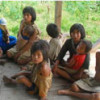
PERU: Stepping Up Protection for Native Groups in Voluntary Isolation
In the dense Amazon rainforest of Peru, there are five reserves inhabited by indigenous groups who have chosen to remain totally or partially isolated from the rest of society. But these areas are not officially demarcated as indigenous lands, and only one is protected with a control post.
U.S. Congress Inches Away from the Straight and Narrow
Even as the issue of gay marriage continues to make waves in the U.S., change is inexorably arriving in the halls of power, with a record seven openly homosexual or bisexual members of the new U.S. Congress.Learning from History to Eliminate Remnants of Slavery
“On the International Day of Remembrance of the Victims of Slavery and the Transatlantic Slave Trade, we tell the world to never forget this global crime against humanity,” said Secretary General Ban Ki-moon in a statement to mark the Day.These Women Know Their Assailants
Lynette Edwards (not her real name) grew up watching her mother being beaten by her partner each night. In high school, Edwards began associating with bullies, thinking this would protect her from being abused; but when she turned 16, two male acquaintances raped her.
Tug-of-War Over Nuclear Future
Pushed and pulled in opposite directions, the future of Japan’s energy plans in the wake of the accident at the Fukushima Daiichi nuclear power plant two years ago is emerging as a fight between national economic advancement and what anti-nuke activists call “the lives of the people”.
Electricity for All but Those the Kariba Dam Displaced
Indigenous people who were displaced from the Zambezi Valley almost six decades ago for the construction of the Kariba Dam say they have not benefited from the development they made way for.
Ranchers Try to Drive Tsimané Indians Off Their Land
“We can’t take any more abuse,” Carmelo Tayo, the head of this small Tsimané indigenous village, says sadly. The community has lived for decades on land in Bolivia’s Amazon jungle that outsiders are now trying to gain control of.Looking for Answers after CAR Coup D’etat
Days after the sudden fall of the Central African Republic to Séléka rebels, questions are being raised about the circumstances surrounding the hasty departure of President Francois Bozizé.
/UPDATE*/Boreholes, Boreholes Everywhere….And Not a Drop to Drink
Every day for the last four years, 52-year-old Tintfombi Msibi has had to walk past the borehole in her village of Ekuphakameni, one of the driest rural villages in southern Swaziland, to a dirty stream two kilometres away to collect drinking water.
Naming Femicide to Fight Violence Against Women in Ecuador
Ecuador hopes to move forward in the fight against violence against women by typifying femicide – gender-motivated killings – as a specific crime in the new penal code.
Zimbabwe’s Railroads Riding to Extinction
Zimbabwe’s rail transport system may be nearing extinction if the government does not take drastic action to solve the series of operational challenges that have made commuter and goods train services rare here.
OP-ED: The BRICS and the Rising South
On Tuesday, leaders of five large emerging economies – Brazil, Russia, India, China, and South Africa, known as the BRICS – will gather in Durban, South Africa to discuss harnessing their formidable resources on behalf of faster development progress in Africa and elsewhere.« Previous Page — Next Page »





The Week with IPS

NEXT STOP - SDGs
Tracking global progress towards a sustainable world
Tracking global progress towards a sustainable world
