Languages
Monday, October 12, 2026



News and Views from the Global South

Heat Wave Picking Off Pakistan’s Urban Poor
Over 950 people have perished in just five days. The morgues, already filled to capacity, are piling up with bodies, and in over-crowded hospitals the threat of further deaths hangs in the air.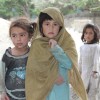
Pakistan’s Streets Kids Drop the Begging Bowl, Opt for Pencils Instead
Khalil Ahmed's life story sounds like it could have come straight out of the plot of a Bollywood flick, but it didn’t. And that makes it all the more inspiring.
Women Turn Drought into a Lesson on Sustainability
When a group of women in the remote village of Sadhuraks in Pakistan’s Thar Desert, some 800 km from the port city of Karachi, were asked if they would want to be born a woman in their next life, the answer from each was a resounding ‘no’.
Pakistan’s Domestic Workers Long For Low Pay and Overwork to Be a Thing of the Past
Sumaira Salamat, a mother of three in her mid-40s, works every day from ten in the morning until half-past two in the afternoon. She travels between three homes, and in each one she dusts, sweeps, washes utensils, and does the laundry. For her efforts, she earns about 3,000 rupees (29 dollars) per month.
Fighting Extremism with Schools, Not Guns
As a wave of outrage, crossing Pakistan’s national borders, continues a month after the Dec. 16 attack on a school in the northern Khyber Pakhtunkhwa province, some citizens are turning away from collective expressions of anger, and beginning the hard work of building grassroots alternatives to terrorism and militancy.
Inside Pakistan’s Untapped Fishing Industry
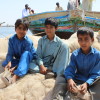
If you want to know what ‘sea traffic’ looks like, just go down to the Karachi Harbour. Built in 1959, the dockyard houses close to 2,000 big and small boats anchored in the grey sludge at the edge of Pakistan’s southern port city, which opens into the Arabian Sea.
Inside Pakistan’s Untapped Fishing Industry
 If you want to know what ‘sea traffic’ looks like, just go down to the Karachi Harbour. Built in 1959, the dockyard houses close to 2,000 big and small boats anchored in the grey sludge at the edge of Pakistan’s southern port city, which opens into the Arabian Sea.

Karachi Residents Trapped Between Armed Assassins and Private Bodyguards
With a rise in sectarian killings, extortion, drug peddling, kidnappings and land grabbing, Pakistan’s sprawling port city of Karachi, home to some 20 million people, has become a hotbed of crime.
Pakistan: Where Mothers Are Also Children
If 22-year-old Rashda Naureen could go back six years in time, she would never have agreed to get married at the tender age of 16.
Ethnic Cleansing Goes Unpunished in the ‘Land of the Pure’
It has been two years since he survived an attack on his life, but 24-year-old Quwat Haider, a member of Pakistan’s minority Hazara community, still finds it hard to narrate the events that scarred him for life.
Obstetric Fistula Haunts Pakistani Women
The word on the street was that if there were one place on earth that could treat Mohammad Lalu’s wife, it would be the Koohi Goth Women’s Hospital in Pakistan’s port city of Karachi.
Pakistan’s Bangle Industry Strangles Workers at Home
 IPS' Zofeen Ebrahim visits a group of home-based workers in Pakistan's Hyderabad who work long hours for little pay and no recognition of the labour they perform.
Pakistan's Bangle Industry Strangles Workers at Home from IPS News - IPSTV on Vimeo.
These ‘Ghost’ Schools Are Not for Children
Rahmatullah Balal has spent ten years counting the schools that aren’t. The particular kind of Pakistani schools that are called “ghost” schools.
U.S. Science Reporters Becoming an Endangered Species
The news for environmental journalism in the United States is grim and getting grimmer.
Little Girls Killed, Who Cares
Twenty-eight-year-old Omar Zaib, a taxi driver in Lahore, capital of Pakistan’s Punjab province, confessed in court last month to drowning his one-and-a-half-year-old daughter because he wanted a son. A few days later, the media reported that two newborn girls had been found abandoned at a railway station.
Pakistani Gays Stifled in Closet Living
It took fifty-something Sameer*, father of two, 25 years of marriage and deceit to eventually break free and come out of the closet three years back.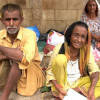
Few Pakistanis Donate Organs
Forty-year-old Sajja Bibi from Sukkur, 470 km from Pakistan’s port city of Karachi, has been camping on the pavement across from the Sindh Institute of Urology and Transplantation for over two years now.
GM Seeks New Pastures in Pakistan
After a string of setbacks in India in recent years, the genetically modified seed industry is now targeting Pakistan as its next frontier, say activists.
Despite Stiffer Penalties, Acid Attacks Continue
Five months back, a scorched 26-year-old Ruqqaiya Perween was brought to the Civil Hospital's Burns Centre in the southern Pakistani port city of Karachi.
Pakistani Doctors Earn “Only Gratitude” for Treating Fistula
Sherhshah Syed is a highly qualified doctor and president of the prestigious Pakistan National Forum on Women’s Health (PNFWH) but his income does not match his qualifications.
Groaning Under Power Cuts, Scorching Temps in Pakistan
Raheel Tauseef is feeling quite powerless this summer. Frequent power outages in the industrial city of Faisalabad in the Punjab province of eastern Pakistan, where the 29-year-old and his family run three hosiery factories, are taking a heavy toll on their business.« Previous Page — Next Page »





The Week with IPS

NEXT STOP - SDGs
Tracking global progress towards a sustainable world
Tracking global progress towards a sustainable world
