Languages
Tuesday, November 24, 2026



News and Views from the Global South
Civil Society

Q&A: Time for a New Agricultural Revolution
Negotiators at the 17th Conference of Parties owe it to the world's more than seven billion people to deliver a deal with a work plan for agriculture, a sector that is expected to be the worst affected by climate change.
Climate Change Killing Womens’ Livelihoods
Talata Nsor, a 54-year-old woman from Bolgatanga community in Northern Ghana, has been weaving the cultural Bolga baskets, which are named after her community, her entire life.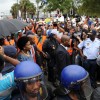
U.S. Inaction on Climate is “Criminal”, Activists Say
The United States' delegation at the 17th annual Conference of the Parties (COP) to the United Nations Framework Convention on Climate Change (UN FCC) in Durban, South Africa has come under heavy fire from civil society leaders and activists around the globe for standing in the way of real solutions to climate change.
Opening Virtual Doors for People with Disabilities
As the International Day for Persons with Disabilities approaches this Saturday, one institution is working to remove some of the barriers that prevent disabled people from taking a leading role in policies that affect their lives.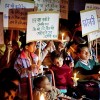
INDIA: Bhopal Victims Oppose Dow as Olympics Sponsor
India’s sport stars have joined the survivors of the 1984 gas leak tragedy in this city, capital of the central Madhya Pradesh state, to protest against a sponsorship deal between Dow Chemical and the organisers of the 2012 London Olympic Games.
OP-ED: Can Finance Provide the Crown Jewels of a Durban Climate Accord?
As climate talks get underway in Durban, South Africa this week, progress on a Green Climate Fund is one of the hottest, most contentious tickets in town. It is also one of the great prizes to be won.
Busan Skirts Gender Equality
Gender champions have lauded the Fourth High Level Forum on Aid Effectiveness for providing gender equality and the empowerment of women a special session, but there is dissatisfaction with Thursday’s Busan outcome document.BURMA: Realpolitik and Rights Compete for Clinton’s Attention
Hillary Clinton's historic trip this week to Burma – the first by a U.S. secretary of state since 1955 – will likely mix geo- strategic realpolitik with Washington's more idealistic interest in promoting economic and political reforms in a country that it has tried to ostracise for most of the past two decades.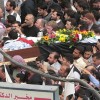
Syrian Leader Survives on Unrelenting Russian-Chinese Support
Bashar al-Assad, Syria's beleaguered president, has openly defied the Western world, succeeded in splitting the United Nations Security Council and fractured the League of Arab States - even as it imposed unprecedented economic sanctions against his embattled country.
Q&A: “Brazil’s Foreign Aid Must Include Respect for Human Rights”
Amnesty International in Brazil will focus on the violence that plagues the favelas or shantytowns of this southern Brazilian city and the impact of construction work in preparation for the FIFA World Cup in 2014 and the Olympic Games in 2016, to check that human rights are being respected.
Lessons for Africa at Busan Aid Forum
There are many inspiring stories that delegates from Africa attending the ongoing Fourth High Level Forum on Aid Effectiveness can take home to provide insights to their respective countries on making the transformation to middle-income economies.Business as Development Tool
The idea of business as an effective development tool is gaining ground at Busan where hundreds of experts are gathered to charter a new chapter in global aid amidst growing political and economic uncertainty among donors.
Clinton Champions Gender Agenda at Busan
Women toil in the fields for most of their lives producing food and strengthening the largely agricultural economy of African countries, but when their fathers, husbands or older sons die, they are no longer welcome on land they may have tended for years.
Aid Dependency on the Decline
Poor countries have depended on rich nations to supplement their sector budget without which millions of people would have continued to live in abject poverty. Have the years of funding made these countries any less dependent?
Forest-Dependent Communities Lobby for End of REDD+
Organisations working with indigenous peoples living in forests say the United Nations programme on Reducing Emissions from Deforestation and Forest Degradation in Developing Countries (REDD+) is just another way for big corporates to reap huge profits.
‘Nothing at Busan for African Women, Children’
Although there has been considerable progress towards reducing maternal and infant mortality, millions of women and children in Africa are still in need of better health services, food and sanitation.‘Accountability Vital in Improving Aid Effectiveness’
Key actors meeting in Busan on Tuesday, the first day of the Fourth High Level Forum on Aid Effectiveness (HLF4), lay emphasis on inclusive ownership, mutual accountability and the platform of the groundbreaking 2005 Paris Declaration.
“God Wants Us to Live in a Garden, Not a Desert”
The European Union plan to save the Kyoto Protocol may meet its greatest obstacle in the developing world.
JAMAICA: Environmental Watchdog Breached Rules, Court Says
When Jamaica's environmental watchdog agency approved road expansion and coastal improvement works inside the Palisadoes Port Royal Protected Area without consulting the public, environmentalists took them to court and won.Egyptians Cast Ballots in Post-Mubarak Polls
Egyptians have started casting their ballots in the first parliamentary elections since former president Hosni Mubarak was toppled in a popular uprising earlier this year.
Q&A: ‘New Donors Can Help Farming Sector’
Rising food prices, natural disasters and an energy crisis that is turning wheat into ethanol instead of bread have raised the spectre of inadequate global food supply that hits the poor. This grim reality has finally turned the spotlight on agricultural aid and its link to development effectiveness.« Previous Page — Next Page »


 Representatives of Civil Society, Sierra Leone. Credit: UN Photo/Eskinder Debebe
Civil society faces mounting threats worldwide, even as it remains essential for democratic accountability, especially in countries struggling with economic instability and social inequality. However, at the same time, nations with weak democratic governance structures also systemically suppress the power of civil society. Human rights activists across the Global South frequently challenge issues such as political persecution and gender oppression, but in return face state-sanctioned punishment for their advocacy. Imprisonment and exile are common mechanisms of punishment that seek to erode the strength of civil society. The 2026 World Press Freedom Index has reached its lowest level in 25 years, with more than half of the world’s countries now falling into the "difficult" or “very serious” category for press freedom. IPS seeks to highlight the work of civil society across the Global South as well as the challenges that they face.
Updated by Yilan Batista and Shuli Wong August 2026

The Week with IPS

NEXT STOP - SDGs
Tracking global progress towards a sustainable world
