Languages
Tuesday, October 13, 2026



News and Views from the Global South
Energy

Waves of Resistance Never End at Nuclear Plant
An indefinite struggle continues against the Kudankulam nuclear power plant in the southern Indian state Tamil Nadu despite a government crackdown on protests.
Solar Streetlights Light the Way Toward Green Energy in Caribbean
The tiny federation of St. Kitts-Nevis and its larger neighbour to the north, Jamaica, are leading the Caribbean's search for new ways to become more energy efficient by installing new solar streetlights, a green alternative to traditional ones.
New U.S. Biofuel Proposals Could Draw Heavily from Food Sources
New biofuel requirements proposed by the U.S. Environmental Protection Agency (EPA) are being met with concern by a spectrum of interest groups from environmentalists to the oil industry, with some warning that a gap between the proposal and existing law could force the government to draw on food-based alternative fuels.
The Open and Rocky Road Post-2015
What values does a Yemeni journalist who fuelled the Arab Spring hold in common with a former principal of the U.S. National Security Council? And how in turn will they see eye to eye with a Jordanian queen, or the president of Indonesia?
Building Angolan-Brazilian Ties on Infrastructure
Brazil has turned to large infrastructure as a unique way to globally expand its economy and build up its political influence, with the added bonus of furthering the development of small nations. But this strategy is not without its risks.
OP-ED: Weird, and Getting Weirder
Weird is the only way to describe January temperatures whipsawing between record warm and arctic cold over a span of a few days. Experts say that is what climate change looks like: weird, record-shattering weather.Bangladesh Must Pause Down the Nuclear Path
Few critical questions have been raised so far by Bangladesh’s intellectual community over the deal towards construction of two nuclear power plants in Rooppur, 180km from capital Dhaka.
All Unclear Over Nuclear
When India was admitted to the world’s nuclear power industry nearly five years ago, many believed that this country had found a way to quickly wean itself away from dependence on coal and other fossil fuels that power its economic growth.
Expanding Coal Exports Test Obama’s Inaugural Climate Pledges
Following surprisingly forceful statements on the threat of global climate change by President Barack Obama during his second inaugural address on Monday, campaigners here are expressing cautious optimism that a second Obama administration will be able to see through some of the substantive actions on carbon reduction that largely eluded the president’s first term.
Dominica Sees Geothermal as Key to Carbon-Negative Economy
What a difference a trip makes. Before visiting the French island of Guadeloupe, Alfred Rolle had vocally expressed fears about the possible health effects of a decision to drill geothermal wells in the village of Laduat on the outskirts of Dominica's capital.
Are the Masdarians the new Jetsons?
 Back in 2006, when the government of Abu Dhabi — a Middle Eastern emirate that controls eight percent of the world's oil reserves — announced that it would build "the world's first zero-carbon city," skeptics took it with a pinch of salt. Few believed it would be possible.

Peering into the Energy Crystal Ball
Trying to predict the future of the energy sector is like trying to predict the weather in London in an era of global warming. But delegates had a go at it during the three-day World Future Energy Summit that ended in Abu Dhabi on Jan. 17.
Digging for Water, But Striking Oil
The volatile politics of the Middle East have long been dominated by the fluctuating fortunes of a single commodity: oil.
National Legislation Key to Combating Climate Change
A majority of major economies have made significant progress in addressing climate change, with countries like South Korea and China taking aggressive action so they can benefit from energy- and resource-efficient economies, a new report released Monday found.
Mideast Energy Crisis Looks For Light at the End of the Tunnel
When Jordan's Queen Rania Al Abdullah took the podium to address world political and business leaders at a back-to-back energy and water summit here, she said she was representing a country that relies on imports for over 90 percent of its energy needs.
Experts Fear Collapse of Global Civilisation
Experts on the health of our planet are terrified of the future. They can clearly see the coming collapse of global civilisation from an array of interconnected environmental problems.
Treaty “Insufficient” to Reduce Global Mercury Levels
Even as government negotiators from around the world prepare to gather next week for a final round of talks on a new international treaty limiting the use of mercury, scientists and activists are warning that the draft treaty is both too weak and too limited in scope to have a major impact.
U.N. Aims at Sustainable Energy for All by 2024
When the General Assembly wound down its 67th session in late December, it underscored the key role for energy in the U.N.'s post-2015 economic agenda by declaring 2014-2024 the "Decade of Sustainable Energy for All".
More Aging U.S. Coal Plants Hit the Chopping Block
Georgia Power, a subsidiary of Southern Company, one of the largest utilities in the U.S. south, plans to retire 15 coal and oil-fired energy generating units at four different plants, in the latest sign that a national campaign against coal is gaining traction.
China’s Rising Soybean Consumption Reshaping Western Agriculture
Global demand for soybeans has soared in recent decades, with China leading the race. Nearly 60 percent of all soybeans entering international trade today go to China, making it far and away the world's largest importer.
Villagers Wail Against Nuclear Power
Mahalakshmi, a housewife married to a farmer, is afraid for her family’s future. The fifty-two-year-old woman is also frustrated that Indian authorities have "betrayed" poor villagers.« Previous Page — Next Page »





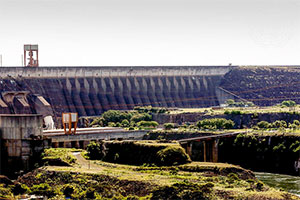 UN Power Plant, Paraguay. Credit: UN Photo/Evan Schneider
Energy has posed a great challenge for economies around the world. As global energy consumption skyrockets throughout the years, so does the need for sustainable solutions. The Sustainable Development Goals are essential in providing people with access to safe, affordable, and sustainable energy sources that minimize harm on the planet. Progress towards these goals opens the door for an advancement in modernization for communities on a global level and allows for a potential mitigation of tensions between nations.
The UN’s Summit of the Future in 2024 offered new initiatives that are being taken to achieve these goals, including a decreased reliance on fossil fuels, a switch to renewable energy sources, and improved climate financing.
IPS is well positioned to provide relevant, insightful, and compelling analysis of recent updates and measures being taken around the world to achieve a cleaner future.

The Week with IPS

NEXT STOP - SDGs
Tracking global progress towards a sustainable world
Tracking global progress towards a sustainable world
