Languages
Wednesday, November 18, 2026



News and Views from the Global South
Health
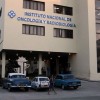
Cuba Streamlines Public Health System
One challenge faced by the Cuban government, and a high priority for citizens, is improving the efficiency and sustainability of public health services, a constitutional right that the state is supposed to ensure for all.
U.S., Malaysia Skirmish over Free-Trade Tobacco
Between concluding rounds of negotiations towards the Trans-Pacific Partnership (TPP), a major U.S.-proposed free trade agreement, a divisive fight has heated up over the extent to which countries should be allowed to regulate the sale of foreign – potentially far cheaper – tobacco products.
Cuban Teenagers Overuse Abortion as Birth Control
In nearly all of Latin America, illegal abortion is a serious public health problem. But in Cuba, where abortion is legal, it is being overused by teenagers.
Cameroonians ‘Dying’ for Fake Drugs
When Francois Biloa fell ill with malaria, his family did what they had always done in the past – they gave him anti-malaria drugs and antibiotics bought from the local market. Only when his condition worsened and he became bedridden and fell unconscious, did his family take him to a local clinic in Cameroon’s capital Yaoundé.
Q&A: “We Need a Decisive Win Against Polio”
Africa and Pakistan are now battling outbreaks of polio, threatening the extraordinary progress the world has made in fighting the almost-extinct disease. In the Horn of Africa, there are now 121 reported polio cases. Last year, there were 223 worldwide. Siddharth Chatterjee has served as the chief diplomat, head of strategic partnerships and international relations at the International Federation of the Red Cross and Red Crescent Societies, the world’s largest humanitarian network, since June 2011.
Cuban Doctors Bring Eyesight, Healthcare to Haiti
It's Saturday, and the entrance hall of a police station in front of the busy market in Salomon in the Haitian capital has become an improvised health post. In a few minutes there is a long queue of people waiting to be seen by the Cuban medical brigade.Nuclear Test Moratorium Threatened by North Korean Impunity
When the United Nations commemorates the International Day Against Nuclear Tests later this week, the lingering question in the minds of most anti-nuclear activists is whether or not the existing moratorium on testing will continue to be honoured - or occasionally violated with impunity.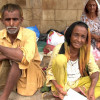
Few Pakistanis Donate Organs
Forty-year-old Sajja Bibi from Sukkur, 470 km from Pakistan’s port city of Karachi, has been camping on the pavement across from the Sindh Institute of Urology and Transplantation for over two years now.
Doctors in Brazil: Too Few, or Just Too Far Between?
Brazil plans to import doctors to provide healthcare in poor suburbs of large cities, impoverished regions of the interior and border areas. But is there really a shortage of doctors in this country?Aid Cuts Childbirth Risks in Bangladesh
Seven months pregnant, 24-year-old Shumi Begum has travelled 220 km from her village with her paternal grandmother to consult a specialist on childbirth.
Higher Temperatures, More Dengue
The spread of the virus that causes dengue fever has created an emergency situation for institutions, governments and scientists in Latin America seeking sustainable solutions for a health problem that could worsen as a result of climate change.
Musical Toilets for a Few While 2.5 Billion Lack Basics
Even as the United Nations laments the fact that more than 2.5 billion people in the developing world are still without adequate sanitation, both Japan and South Korea have gone upscale: offering automated toilets and piped-in classical music.
Poor and Disabled When Disaster Strikes
Upon first glance, the emergency checklist distributed in Haiti after the 2010 earthquake looks like any other. Organised into key categories like water, sanitation and hygiene, and psychosocial support, the information is typical of the kind circulated for emergency response.
Violence Against Civilians Peaks in Central African Republic
As Michel Djotodia took his oath as the new president of the Central African Republic (CAR) on Aug. 18, Séléka, the coalition of rebel groups that he led and that helped him overthrow the government on Mar. 23, were still looting and killing civilians.
What Egypt Is Blind To
Dina Gamal, whose 10-year-old son was born blind, says it is not him but Egyptian society that lives in the dark.
Killer Smoke Blows Through Pacific Islands
Governments in the Western Pacific Islands, believed to be home to a third of the world’s smokers, have begun a long battle with the growing crisis of non-communicable diseases. Such diseases currently account for 75 percent of the region’s fatalities.
Montevideo Consensus Urges Countries to Change Abortion Laws
Representatives of 38 countries of Latin America and the Caribbean meeting this week in the Uruguayan capital urged governments in the region to consider modifying their laws on abortion, which are among the most restrictive in the world.
Despite Two Bans, Styrofoam Trash Still Plagues Haiti
Despite two government decrees making their import and usage illegal, styrofoam cups and plates are used and littered all over the capital, as well as bought and sold, wholesale and retail, completely out in the open.Somali Officials Back Terrorists Against Aid
Foreign aid workers are increasingly becoming targets of corrupt officials within the Somali government and the Islamist extremist group Al-Shabaab.
Mental Health an Overlooked Casualty of Disaster
Although Hurricane Sandy made her final sweep through the Northeastern United States nearly 10 months ago, for many people the stress caused by the storm lingers.
Q&A: “We Cannot Accept Crumbs When it Comes to Rights”
Latin America and the Caribbean cannot hope to have truly advanced, progressive policies in sexual and reproductive health as long as women do not have the right to decide to interrupt their pregnancy, says Mariela Castro.« Previous Page — Next Page »


 Bangladesh: Sarid, born one month early, receives specialized newborn care and grows stronger every day. Credit: UNICEF/UNI944397/Mojumder
Since the onset of the 2000s, global life expectancy has seen an overall rise, attributed to significant technological and scientific innovations in healthcare. Due to an increased understanding of different conditions as well as a rise in cooperation among healthcare experts around the world, there have been major strides made in ensuring that as few people die from chronic illnesses as possible. Despite the belief that healthcare is a fundamental human right, people from low- or middle-class backgrounds, marginalized groups, and underdeveloped countries have far more limited access to basic healthcare services.
The COVID-19 pandemic showed how marginalized communities are disproportionately affected by health crises, proving that we have much work to do in ensuring that no one dies of terminal conditions. While the global response to the coronavirus saw significant strides in immunization and vaccine development, the global outbreak of mpox in 2022 and its upsurge in parts of Africa in 2024 must remind us to remain vigilant.
Other major disease outbreaks in recent years have been linked to the destruction of infrastructure during warfare. Notably, in 2024, the Gaza Strip witnessed a return of the poliovirus since its eradication in the region 25 years ago. Israel’s blockade on Gaza has resulted in the collapse of the region’s sewage plants and desalination plants, and also destroyed healthcare capacities. The UN stated that this lack of clean water and sanitation would lead to an outbreak of cholera and other deadly infectious diseases. The 2026 OCHA Humanitarian Situation Report confirmed that the over two years of conflict in Gaza has produced a catastrophic health emergency, with millions remaining dependent on relief aid amid tight restrictions and no functioning public health system.
IPS is committed to providing full and comprehensive coverage on healthcare challenges around the world. IPS seeks to address the multifaceted causes of such challenges, including unprecedented pandemics, conflict-driven disease outbreaks, as well as socioeconomic barriers to equal healthcare access. IPS is also dedicated to reporting on innovations in the healthcare industry.

The Week with IPS

NEXT STOP - SDGs
Tracking global progress towards a sustainable world
Tracking global progress towards a sustainable world
