Languages
Wednesday, November 18, 2026



News and Views from the Global South
Health

U.N. Task Force Purges Stigmas on Sexual Rights
Ishita Chaudhry spent the past 36 hours listening to U.N. delegates discuss population growth and development. She noticed that on “controversial” topics, such as sexual and reproductive rights, young people’s voices often get lost.
Cell Phones Yes, Toilets No, World Body Laments
Speaking of the widespread sanitation crisis, U.N. Deputy Secretary-General Jan Eliasson was quick to produce staggering numbers: of the world's seven billion people, about six billion have mobile phones but only about 4.5 billion have access to toilets.
U.S. Proposal Would Require Labelling on Genetically Modified Foods
A decades-long push to require the labelling of foods containing genetically modified ingredients in the United States received a significant boost Wednesday, when bipartisan bills on the issue were simultaneously proposed in the House and Senate.
The Free Market Fundamentalists Are Now in Europe
For a long time it was a given that while Europe was based on defending a more just society, with social values and solidarity, the United States was based on the glory of individualism and competition, and anything public was considered “socialist”.Their Missing Daughters
It is as if they have given up hope of ever seeing their girls again. They are an Adivasi family from a remote village in Assam state in India, nestled in the Himalayan foothills. The picturesque surroundings belie the hollowness they feel within.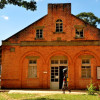
Tackling Malawi’s Doctor Deficit
In Malawi, where the healthcare system frequently makes headlines for its shortages of drugs and medical workers, a fact that is often overlooked is that two out of four central hospitals do not have a specialist physician in attendance.
Educating Mothers to End South Africa’s Newborn Deaths
A young mother – who only wants to be identified as Karren – beamed as she nursed her newborn baby at the University of Witwatersrand’s Reproductive Health and HIV Institute, in Hillbrow, South Africa.
Learn From the Children
“Recall the face of the poorest and weakest man you have seen, and ask yourself if this step you contemplate is going to be any use to him.”
Q&A: Ecuador Guarantees Right to Free Emergency Contraception
The government of Ecuador is determined to curb the growing number of teen pregnancies, and has begun to knock down barriers that stand in the way of the right to a responsible sexual and reproductive life.
New York Nuke Waste in Limbo as Concerns Rise
Over one million kgs of nuclear waste sit in limbo on the banks of the Hudson River, in dry cask storage units and spent fuel pools just 60 kms north of New York City, according to environmental organisations.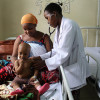
Global Health Plan Aims to End a Third of Childhood Deaths
The United Nations has unveiled a major framework aimed at, for the first time, coordinating worldwide efforts to work simultaneously to end childhood pneumonia- and diarrhoea-related deaths by 2025.Obama Requests Modest Bump in Foreign Aid
U.S. President Barack Obama Wednesday asked Congress to approve some 52 billion dollars in foreign aid and international spending in 2014, slightly higher than the current year’s budget which was cut due to the partisan impasse over how to reduce the yawning federal deficit.
U.S. Global Health Cuts Threaten Gains on Lethal Diseases
A U.S.-based civil society coalition is calling on Congress and President Barack Obama’s administration to keep spending on global health aid at current levels, warning that recent budget cuts risk a dangerous backslide in health and development gains achieved over the past three decades.
The Search for Swaziland’s TB-Infected Mine Workers
For more than a decade after 1992, when Swazi gold miner Benson Maseko, 50, fell ill with chest pains and a nagging cough, he did not seek treatment.
Q&A: Obesity and Hunger Are Two Sides of the Same Problem
Over 40 million children under the age of five were overweight in 2010. In fact, since 1980, the worldwide prevalence of obesity has doubled, according to the British medical journal the Lancet.
Why Focus on Babies?
I nearly died on the day I was born. My mother laboured for 24 hours in a bush hospital in northern Uganda that had no running water and no electricity. Fortunately, the midwife found a doctor, who had witnessed a Caesarian section, who managed to operate, saving my life and my mother’s. Today, had I been born in one of the many places across the world without adequate maternal and reproductive health care, I may not have survived my own day of birth.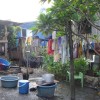
Water Shortage Hits Pacific Women
The Solomon Islands, a developing island nation in the south-west Pacific Islands, has one of the highest urbanisation rates in the region, and the basic service infrastructure is struggling to cater for the influx of people from the provinces to the capital, Honiara. Thirty-five percent of the city’s population, who live in informal settlements, are facing the health consequences of a dire shortage of clean water and sanitation.
Q&A: Leaving Youth on the Streets Creates a ‘Social Disaster’
For homeless youth, life on the streets is brutal. They experience sky-high rates of mental health problems, substance abuse and sexual assault. But despite the fact that it costs just under 6,000 U.S. dollars to permanently end homelessness for one youth, too little is being done to help them.Q&A: A Healthy Verdict from India
India’s refusal to grant patent protection for the anti-cancer drug Glivec, developed by Swiss drugmaker Novartis, is a victory for the developing world, which depends on low-cost exports of generic medicines from the Asian giant, said public health specialist Germán Velásquez.
Universities “Not Living up to Missions” on Global Health Research
A first-time ranking of 54 top research universities in the United States and Canada has found that a miniscule percentage of funding goes to neglected diseases, despite the outsized influence that public universities play in developing medicines for illnesses often ignored by the private sector.
New Brazilian Research Centre Focuses on Health Risks of Smoking
Brazil has taken another step to combat the harmful habit of smoking with the creation of the Centre for Studies on Tobacco and Health (CETAB).« Previous Page — Next Page »


 Bangladesh: Sarid, born one month early, receives specialized newborn care and grows stronger every day. Credit: UNICEF/UNI944397/Mojumder
Since the onset of the 2000s, global life expectancy has seen an overall rise, attributed to significant technological and scientific innovations in healthcare. Due to an increased understanding of different conditions as well as a rise in cooperation among healthcare experts around the world, there have been major strides made in ensuring that as few people die from chronic illnesses as possible. Despite the belief that healthcare is a fundamental human right, people from low- or middle-class backgrounds, marginalized groups, and underdeveloped countries have far more limited access to basic healthcare services.
The COVID-19 pandemic showed how marginalized communities are disproportionately affected by health crises, proving that we have much work to do in ensuring that no one dies of terminal conditions. While the global response to the coronavirus saw significant strides in immunization and vaccine development, the global outbreak of mpox in 2022 and its upsurge in parts of Africa in 2024 must remind us to remain vigilant.
Other major disease outbreaks in recent years have been linked to the destruction of infrastructure during warfare. Notably, in 2024, the Gaza Strip witnessed a return of the poliovirus since its eradication in the region 25 years ago. Israel’s blockade on Gaza has resulted in the collapse of the region’s sewage plants and desalination plants, and also destroyed healthcare capacities. The UN stated that this lack of clean water and sanitation would lead to an outbreak of cholera and other deadly infectious diseases. The 2026 OCHA Humanitarian Situation Report confirmed that the over two years of conflict in Gaza has produced a catastrophic health emergency, with millions remaining dependent on relief aid amid tight restrictions and no functioning public health system.
IPS is committed to providing full and comprehensive coverage on healthcare challenges around the world. IPS seeks to address the multifaceted causes of such challenges, including unprecedented pandemics, conflict-driven disease outbreaks, as well as socioeconomic barriers to equal healthcare access. IPS is also dedicated to reporting on innovations in the healthcare industry.

The Week with IPS

NEXT STOP - SDGs
Tracking global progress towards a sustainable world
Tracking global progress towards a sustainable world
