Languages
Wednesday, November 18, 2026



News and Views from the Global South
Health
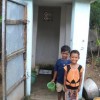
Thinking Outside the Stall on World Toilet Day
When the United Nations commemorates World Toilet Day next week, there will be a lingering question in the minds of activists: how best can water and sanitation be given high priority in the proposed Sustainable Development Goals (SDGs) in the U.N.'s post-2015 economic agenda?
How African Men are Changing Traditional Beliefs
Charles Kayongo of Uganda is a father of two girls aged five and three. And even though age-old traditions among his ethnic group, the Baganda, say a man should have an unlimited number of children and a son as an heir, Kayongo refuses to have more children.
Family Planning Falters Despite Treaty Commitments
Since the 1966 International Covenant on Economic, Social and Cultural Rights, the United Nations has consistently maintained that family planning is a basic human right to be exercised by all - not just the wealthy and otherwise privileged.
Family Planning Skips Millions in Pakistan
Thirty-year-old Shahida Saleem, who was not educated past the tenth grade, is a mother of two, living with her family in Karachi. Six months ago she suffered a miscarriage and her doctor, concerned about her anaemic condition, advised her to space out her next pregnancy by taking contraceptives.
Unsafe Abortions Threaten Thousands in Eastern Europe
Pressure from the Catholic Church, social stigma, a lack of information about sexuality and reproductive health and limited access to reproductive healthcare services are putting the lives of hundreds of thousands of women across Eastern Europe at risk.
Racism Is Bad for Health
If a black woman and a white woman both need emergency obstetric care, a Brazilian doctor will assist the white woman because of the stereotype that black women are better at handling pain and are used to giving birth.
Lead Funder on AIDS, Malaria, TB Gets a Reboot
After weathering the departure of its executive director amidst a misallocation scandal earlier this year, the world's largest funder of programmes to address HIV/AIDS, tuberculosis and malaria is poised to announce a new leader Thursday.
No Contraceptives Means More Illegal Abortions in Uganda
Every day at least five women are brought to the gynaecological ward of Uganda’s Mulago National Referral Hospital in Kampala for treatment for complications caused by crude attempts to terminate their pregnancies.
Radical Clerics Seek to Legalise Child Brides
An ultraconservative Salafi cleric recently sparked outrage among Egypt’s liberal circles when he attempted to justify his opposition to a proposed constitutional article that would outlaw the trafficking of women for sex.
Israel Ranked World’s Most Militarised Nation
Israel tops the list of the world’s most militarised nations, according to the latest Global Militarisation Index released Tuesday by the Bonn International Centre for Conversion (BICC).
Sex Education Is Also a Right
Learning about respect in a relationship, sexual orientation, sexuality, gender equality and family planning forms part of the right to sex education that is still not enjoyed by all children and adolescents in Latin America.
Breast Cancer Screening Comes to Palestinians
Fatmeh Abu Hrar Tabeel has had her first ever breast cancer screening. “It feels good to know, of course. Thanks to god, I am well,” the 51-year-old mother of seven told IPS. “Now I can examine myself once a month from home; the doctor showed me how.”
Major Malaria Vaccine Less Effective than Hoped
Researchers unveiling critical trial results of a potentially major anti-malaria vaccine are expressing disappointment that the drug’s efficacy levels have proved lower than they had anticipated.
No Social Protection for India’s Elderly
At midnight on Oct. 12, 91-year-old George Puthenveettil, a widower living in Kalanjur village in the Pathanamthita district of the southern Indian state of Kerala, was brutally tortured and ousted from his own house by his only son for “not earning any money”.
India Poised to Supply Free Drugs to 1.2 Billion People
As the northern Indian state of Rajasthan rolls out an ambitious universal healthcare plan, the discontent of the state’s doctors stands in stark contrast to the joys of the 68 million people who will benefit from the scheme.
Victories for Marijuana Legalisation, Same-Sex Marriage at U.S. Polls
In addition to the victories of the Democratic Party in retaining the presidency and the U.S. Senate, and of the Republican Party in retaining the U.S. House, there were major issue-related victories in Tuesday's election whose common threads are personal liberty and human rights.
‘Breastfeeding Best for Bangladesh’
Bangladesh’s achievement in raising exclusive breastfeeding rates for infants under six months from 43 percent to 64 percent, over the last five years, is said to be the result of a determined campaign by government and non-governmental organisations (NGOs).
India Puts GM Food Crops Under Microscope
Environmental activists are cautiously optimistic that a call by a court-appointed technical committee for a ten-year moratorium on open field trials of genetically modified (GM) crops will shelve plans to introduce bio-engineered foods in this largely agricultural country.
Wrangling Begins Over New Sustainable Development Blueprint
As the Millennium Development Goals (MDGs) limp towards their target date of 2015, the United Nations is shifting its focus to another long-term action plan: a new set of Sustainable Development Goals (SDGs).
New Drugs Underused in Averting Maternal Deaths
In most developing countries, where a woman gives birth still determines whether she lives or dies, despite the availability of inexpensive new medication that is proven to save lives.
Q&A: Severe Birth Defects Soar in Post-War Iraq
A new study confirms what many Iraqi doctors have been saying for years – that there is a virtual epidemic of rare congenital birth defects in cities that suffered bombing and artillery and small arms fire in the U.S.-led attacks and occupations of the country.« Previous Page — Next Page »


 Bangladesh: Sarid, born one month early, receives specialized newborn care and grows stronger every day. Credit: UNICEF/UNI944397/Mojumder
Since the onset of the 2000s, global life expectancy has seen an overall rise, attributed to significant technological and scientific innovations in healthcare. Due to an increased understanding of different conditions as well as a rise in cooperation among healthcare experts around the world, there have been major strides made in ensuring that as few people die from chronic illnesses as possible. Despite the belief that healthcare is a fundamental human right, people from low- or middle-class backgrounds, marginalized groups, and underdeveloped countries have far more limited access to basic healthcare services.
The COVID-19 pandemic showed how marginalized communities are disproportionately affected by health crises, proving that we have much work to do in ensuring that no one dies of terminal conditions. While the global response to the coronavirus saw significant strides in immunization and vaccine development, the global outbreak of mpox in 2022 and its upsurge in parts of Africa in 2024 must remind us to remain vigilant.
Other major disease outbreaks in recent years have been linked to the destruction of infrastructure during warfare. Notably, in 2024, the Gaza Strip witnessed a return of the poliovirus since its eradication in the region 25 years ago. Israel’s blockade on Gaza has resulted in the collapse of the region’s sewage plants and desalination plants, and also destroyed healthcare capacities. The UN stated that this lack of clean water and sanitation would lead to an outbreak of cholera and other deadly infectious diseases. The 2026 OCHA Humanitarian Situation Report confirmed that the over two years of conflict in Gaza has produced a catastrophic health emergency, with millions remaining dependent on relief aid amid tight restrictions and no functioning public health system.
IPS is committed to providing full and comprehensive coverage on healthcare challenges around the world. IPS seeks to address the multifaceted causes of such challenges, including unprecedented pandemics, conflict-driven disease outbreaks, as well as socioeconomic barriers to equal healthcare access. IPS is also dedicated to reporting on innovations in the healthcare industry.

The Week with IPS

NEXT STOP - SDGs
Tracking global progress towards a sustainable world
Tracking global progress towards a sustainable world
