Languages
Thursday, November 19, 2026



News and Views from the Global South
Health
INDIA: Kashmir Gets a Grip on AIDS
When the sole Community Care Centre in Jammu and Kashmir providing medical and psychosocial services to people living with HIV/AIDS (PLWHA) closed down for lack of patients it was a sure sign that the north Indian state had beaten back dire forecasts.
Low-Cost Healthcare Goes High-Tech
Cell phones and computer applications can help save the lives of thousands of mothers and children worldwide.INDIA: 10 Million Depressed – on the Optimistic Side
While Indian psychiatrists have rejected a World Health Organisation (WHO) study portraying India as the depression capital of the world, they say it has indirectly drawn attention to an acute shortage of trained personnel and facilities to deal with mental illness.
Q&A: “People With Disabilities Want Work”
More than one billion people worldwide live with disabilities, some 15 percent of the world's population.US-GUATEMALA: Shocking Experiments Highlight Lack of Controls
The appalling experiments carried out by U.S. doctors in Guatemala from 1946 to 1948 using 1,300 human subjects who were infected with sexually transmitted diseases highlighted the inadequacy of controls and safeguards in clinical testing in this Central American country – still a major problem today, according to experts.Reproductive Health Security Empowers Women’s Choices
Each day, one thousand women die in childbirth and one million people become infected with sexually transmitted infections (STIs), including 7,000 cases of HIV. Yet these numbers are preventable, experts insist, when countries possess the resources and willpower to address and deal with them.U.S.: Citizens Ramp Up Battle Against Fossil Fuel Industry
The fight against oil and gas giants is heating up in the U.S., with new waves of protest and civil disobedience springing up across the country.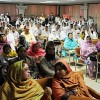
PAKISTAN: Dodging Drones and Bullets to Beat HIV
Having to contend with U.S. army drones and the crossfire between the Taliban and the Pakistani army, the residents of Pakistan’s tribal areas find access to treatment for HIV/AIDS harder than in most other parts of the world.ARGENTINA: Against the Current in Nuclear Energy
While the tendency in the industrialised world in the wake of the Mar. 11 nuclear meltdown in Japan is to abandon plans for further nuclear energy development, in Argentina the capacity of existing plants is being strengthened, and new reactors are being built.Donors Fund Forced Labour in Vietnam
A leading international human rights group has accused the United States government, the World Bank and other international donors of indirectly funding forced labour in Vietnam’s drug rehabilitation centres.
AFRICA: Slow Progress in Reducing Maternal Mortality
Agnes Kalunda’s doctor feared that because of her slight frame there was a high chance of her developing complications during delivery.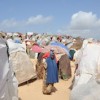
SOMALIA: Armed Militia Grab the Famine Business
Armed groups are withholding aid and preventing Somali famine refugees from leaving camps to ensure the continued supply of food by aid agencies that they are presently selling on the open market.COTE D’IVOIRE: Toxic Waste Victims Wait Years for Compensation
Thousands of victims affected by toxic waste dumping in 2006 in Abidjan, Côte d'Ivoire's commercial capital, still have not received the economic compensation they were promised.
SOMALIA: Food Aid Stolen From Famine Victims
Masses of food meant for famine victims in Somalia are being stolen, an investigation has revealed.JAPAN: Fukushima Blows Lid Off Exploited Labour
The Fukushima disaster has thrown up the first opportunity in decades to bring justice to thousands of unskilled workers who risk radioactive contamination to keep Japan’s nuclear power plants running.
HAITI: Patchy Healthcare Adds to Miseries of Women and Girls
"I just gave birth on the ground...I had no drugs for pain during delivery," one Haitian mother tells Human Rights Watch (HRW) in a report released Tuesday that says a year and a half after the country's devastating earthquake, women and girls are still facing gaps in access to available healthcare services necessary to stop preventable maternal and infant deaths.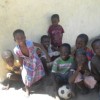
Neglected Diseases Group Seeking Child-Friendly AIDS Drugs
A scientific alliance in which developing countries are playing a key role has taken on the challenge of producing paediatric AIDS drugs, an area that is no longer a priority for pharmaceutical companies because mother-to-child transmission of HIV has virtually been eliminated in the industrialised world.AUSTRALIA: Refugee Centres Breed Mental Illness
Concern is growing for the mental health of thousands of people locked up indefinitely in this country’s immigration detention system.MEXICO: Games that Kill
Experts and activists are calling for the reinstatement of the ban on casinos in Mexico, saying they foment not only problem gambling but also links to organised crime. The debate was revived after at least 52 people were killed in a fire set by armed men in the Casino Royale in Monterrey.Palestinians Thirsting for Justice in Water-Starved Occupied Territories
In the strife-stricken Middle East, oil has always been in the realm of politics. But in the Israeli-occupied territories of Gaza and the West Bank, oil has been supplanted by water.
Q&A: NGOs Must Play Key Role in Rio+20 Summit on Sustainable Development
As the United Nations readies for a major international conference on sustainable development next June in Brazil, non-governmental organisations (NGOs) are preparing to play a key role in the run-up to the summit meeting and are preparing a plan of action to be adopted by world leaders.« Previous Page — Next Page »


 Bangladesh: Sarid, born one month early, receives specialized newborn care and grows stronger every day. Credit: UNICEF/UNI944397/Mojumder
Since the onset of the 2000s, global life expectancy has seen an overall rise, attributed to significant technological and scientific innovations in healthcare. Due to an increased understanding of different conditions as well as a rise in cooperation among healthcare experts around the world, there have been major strides made in ensuring that as few people die from chronic illnesses as possible. Despite the belief that healthcare is a fundamental human right, people from low- or middle-class backgrounds, marginalized groups, and underdeveloped countries have far more limited access to basic healthcare services.
The COVID-19 pandemic showed how marginalized communities are disproportionately affected by health crises, proving that we have much work to do in ensuring that no one dies of terminal conditions. While the global response to the coronavirus saw significant strides in immunization and vaccine development, the global outbreak of mpox in 2022 and its upsurge in parts of Africa in 2024 must remind us to remain vigilant.
Other major disease outbreaks in recent years have been linked to the destruction of infrastructure during warfare. Notably, in 2024, the Gaza Strip witnessed a return of the poliovirus since its eradication in the region 25 years ago. Israel’s blockade on Gaza has resulted in the collapse of the region’s sewage plants and desalination plants, and also destroyed healthcare capacities. The UN stated that this lack of clean water and sanitation would lead to an outbreak of cholera and other deadly infectious diseases. The 2026 OCHA Humanitarian Situation Report confirmed that the over two years of conflict in Gaza has produced a catastrophic health emergency, with millions remaining dependent on relief aid amid tight restrictions and no functioning public health system.
IPS is committed to providing full and comprehensive coverage on healthcare challenges around the world. IPS seeks to address the multifaceted causes of such challenges, including unprecedented pandemics, conflict-driven disease outbreaks, as well as socioeconomic barriers to equal healthcare access. IPS is also dedicated to reporting on innovations in the healthcare industry.

The Week with IPS

NEXT STOP - SDGs
Tracking global progress towards a sustainable world
Tracking global progress towards a sustainable world
