Languages
Friday, November 20, 2026



News and Views from the Global South
Health
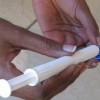
AFRICA: Antiretroviral Gel Lowers HIV Infection and Offers Hope to Women
When women from the predominantly rural Vulindela district in KwaZulu-Natal first began participating in an HIV-prevention trial many were unable to negotiate the use of condoms or even discuss safe sex with their partners. But as they used the discreet antiretroviral (ARV) microbicide gel, for the first time women - who bear the brunt of the HIV epidemic in Africa - were in control of an HIV-prevention method.Window of Opportunity For Sahel Rapidly Closing
Over the past six months, the levels of food insecurity and malnutrition in the Sahel belt of West Africa have increased at alarming rates, putting over 10 million people at risk across the region - particularly in Niger and Chad.HEALTH: U.S. Intensifies Anti-Counterfeit Drive in East Africa
The U.S.’s recent promotion of intellectual property (IP) rights in Uganda is an indirect way of introducing the Anti-Counterfeits Trade Agreement (ACTA) debate in East Africa.MALAYSIA: Debate on Sex Education Rises with Teen Pregnancies
The prospect of motherhood filled 17-year-old Fatimah’s heart with dread.SWAZILAND: HIV – Long Distances Place Expectant Mothers at Risk
Affectionately known as Gogo Zondo by the community of Ndvwabangeni in northern Swaziland, Margaret Zondo is a traditional health practitioner who helps treat the sick and delivers babies.PAKISTAN: Depression, Poverty Make A Deadly Mix
She survived the nightmare, but three of her six children, as well as her husband, did not. In fact, Muzammil Akbar says, it was her husband Akbar Ali who had fed poison to their three eldest children before handing her a "handful of white tablets".MEXICO: Risk of Exotic Pets Morphing into Invasive Pests
Turtles, frogs, toads and many kinds of birds are imported into Mexico as pets by the thousands every year, but they constitute an environmental and economic threat when they are invasive exotic species.
KENYA: HIV Strain Among Gays Same as Strain in Heterosexuals
Because of societal pressure and the criminality associated with men who have sex with men (MSM) in Kenya, Omondi Maina* married a woman. This is despite being involved in a homosexual relationship for the last 10 years.
HEALTH: Intellectual Property Rights Remain A Barrier to Drugs
Intellectual property (IP) rights are a key reason for high medicine prices, rendering such medicines unaffordable and therefore out of reach for poor people. While mechanisms exist to circumvent IP, poor countries have been browbeaten into adopting stringent IP laws.Women Vital in Global Fight Against AIDS
Empowering women could more effectively help in curbing the spread of HIV, Bill Gates, Microsoft chairman and philanthropist said at the AIDS conference here Monday.CAMBODIA: Informal Sex Trade Threatens to Undercut Gains in HIV
On a muggy evening, a handful of men in suits were quickly getting drunk in a beer garden here in the Cambodian capital. One man rested his hand on the thigh of a slender woman sitting uncomfortably in a short skirt.
HEALTH: East African Laws Confuse Fake and Generic Drugs – WHO
The World Health Organisation (WHO) agrees that the anti-counterfeit legislation that has been adopted or that is under consideration in East Africa threatens the accessibility of affordable generic medicines.More Information to be Shared on AIDS Vaccine
Scientists participating in the 18th International AIDS conference that opens in Vienna Sunday promise to share more information on vaccine research.Nigeria Suffers Acute Lead-Poisoning Outbreak
The Nigerian government is trying to cope with an outbreak of lead poisoning which has killed over 200 people in Zamfara State since early July.HEALTH: To Fight AIDS, Fight Gender Inequality
Under the banner that gender inequality is one of the main drivers of the spread of AIDS, women from around the world are uniting to demand a stop to the epidemic among all females -- whether adults or girls.
SOUTH AFRICA: Trauma of Children Caring for HIV-Positive Parents
Nine-year-old Nomasonto* had no choice but to switch roles with her mother and care for the HIV-positive woman who gave birth to her. Instead of worrying about homework and going out to play with her friends, Nomasonto’s daily concerns were now a matter of life and death.
ROMANIA: Digging Gold With a Cyanide Lining
Canadian company Gabriel Resources has managed to resurrect a cyanide-based gold exploitation project which had been declared illegal in courts, and is opposed by most Romanians.
Water as Human Right Threatens to Split World Body
A long outstanding proposal to recognise the right to water as a basic universal human right is threatening to split the world's rich and poor nations.North Korea in Dire Need of Food, Medical Aid, Amnesty Says
The fragile health system in the cash-strapped Democratic People's Republic of Korea (DPRK), long described as one of the world's most secretive countries, is on the verge of collapsing, Amnesty International (AI) warned Thursday.CAMBODIA: Hope Emerges in Epicentre of Drug-resistant Malaria
In a western corner of Cambodia known for battles waged by the genocidal Khmer Rouge decades ago, a new war is being fought. Its target, this time, is the lethal malaria parasite that is resistant to the most effective drugs available today.
LIBERIA: Men in Testing New Role as Midwives
Henry Teh gently slides down a blue hospital sheet to expose the bare belly of a pregnant woman. As he pokes around to feel the position of the foetus, the midwife-in-training knows he is breaking tradition and changing the face of obstetric care in Liberia.« Previous Page — Next Page »


 Bangladesh: Sarid, born one month early, receives specialized newborn care and grows stronger every day. Credit: UNICEF/UNI944397/Mojumder
Since the onset of the 2000s, global life expectancy has seen an overall rise, attributed to significant technological and scientific innovations in healthcare. Due to an increased understanding of different conditions as well as a rise in cooperation among healthcare experts around the world, there have been major strides made in ensuring that as few people die from chronic illnesses as possible. Despite the belief that healthcare is a fundamental human right, people from low- or middle-class backgrounds, marginalized groups, and underdeveloped countries have far more limited access to basic healthcare services.
The COVID-19 pandemic showed how marginalized communities are disproportionately affected by health crises, proving that we have much work to do in ensuring that no one dies of terminal conditions. While the global response to the coronavirus saw significant strides in immunization and vaccine development, the global outbreak of mpox in 2022 and its upsurge in parts of Africa in 2024 must remind us to remain vigilant.
Other major disease outbreaks in recent years have been linked to the destruction of infrastructure during warfare. Notably, in 2024, the Gaza Strip witnessed a return of the poliovirus since its eradication in the region 25 years ago. Israel’s blockade on Gaza has resulted in the collapse of the region’s sewage plants and desalination plants, and also destroyed healthcare capacities. The UN stated that this lack of clean water and sanitation would lead to an outbreak of cholera and other deadly infectious diseases. The 2026 OCHA Humanitarian Situation Report confirmed that the over two years of conflict in Gaza has produced a catastrophic health emergency, with millions remaining dependent on relief aid amid tight restrictions and no functioning public health system.
IPS is committed to providing full and comprehensive coverage on healthcare challenges around the world. IPS seeks to address the multifaceted causes of such challenges, including unprecedented pandemics, conflict-driven disease outbreaks, as well as socioeconomic barriers to equal healthcare access. IPS is also dedicated to reporting on innovations in the healthcare industry.

The Week with IPS

NEXT STOP - SDGs
Tracking global progress towards a sustainable world
Tracking global progress towards a sustainable world
