Languages
Friday, September 4, 2026



News and Views from the Global South
Health
Escaping the ‘Era of Pandemics’: experts warn worse crises to come; offer options to reduce risk
Future pandemics will emerge more often, spread more rapidly, do more damage to the world economy and kill more people than COVID-19 unless there is a transformative change in the global approach to dealing with infectious diseases, warns a major new report on biodiversity and pandemics by 22 leading experts from around the world.
Global Data Community’s Response to COVID-19
The world is currently counting more than 42 million confirmed cases of the COVID-19 and over 1 million deaths since the start of the pandemic.1
The Mental Health Consequences of the Lekki Toll Gate Attack
On October 20, 2020, young Nigerians who were protesting against police brutality were shot by men in Nigerian military uniforms. Unarmed, peaceful citizens were massacred at the Lekki Toll Gate in Lagos, southwest Nigeria.
Finance Covid-19 Relief and Recovery, Not Debt Buybacks
In July, the UN Secretary-General warned that a “series of countries in insolvency might trigger a global depression”. Earlier, the United Nations Conference on Trade and Development (UNCTAD) and the International Monetary Fund (IMF) had called for a US$2.5 trillion coronavirus crisis package for developing countries.
Reaching Remote Women Through Inclusive Technology
The coronavirus pandemic has impacted the way people value working from home, career building, and their overall approach to utilising downtime. It has blurred out the lines between hobby, casual reading, and how time is spent away from work.
Q&A: Why are Stillbirths still Societal Taboo?
Societal taboo and a lack of understanding about stillbirth can cause the issue to be neglected among health practitioners, according to Dr. Danzhen You, a senior adviser on Data and Analytics at the United Nations Children's Fund (UNICEF).
Can Agroecology Feed the World?
Producing food and ensuring nutrition security, protecting the environment and restoring biodiversity, building sustainable and fair food systems: That’s the promise of agroecology.
COMMENTARY: The Sinatra Doctrine Confronts a Global Consensus
By late September, the COVID-19 pandemic in the United States had claimed 200,000 lives. That’s equivalent to a slightly higher toll than the 418,500 United States deaths in World War II, adjusted for relative population and duration. [See note below.]
Child Protection: the Pandemic has Left the Most Vulnerable Children Invisible
A right is an entitlement and it has three basic principles, without which rights cannot be enjoyed. The first principle is that of universality: A right has to be enjoyed by all citizens, including all children. There cannot be a distinction between a Dalit or an Adivasi child and a child who is better endowed.
Enhanced Social Protection an Opportunity Asia Pacific Must Grasp
In the fight against COVID-19, success has so far been defined by responses in Asia and the Pacific. Many countries in our region have been hailed as reference points in containing the virus. Yet if the region is to build back better, the success of immediate responses should not distract from the weaknesses COVID-19 has laid bare. Too many people in our region are left to fend for themselves in times of need. This pandemic was no exception. Comprehensive social protection systems could right this wrong. Building these systems must be central to our long-term recovery strategy.
Education: Act Now, Don’t Wait for the Bill
School reopening doesn’t mean that education is back on course. For a start, schools remain closed in over 50 countries, affecting more than 800 million students. The poorest ones may never make it back to school, driven by poverty into child labour or early marriage. Distance learning has been out of reach for one third of the 1.6 billion students affected worldwide by school closures. They may disengage altogether if school closures continue.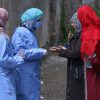
What Developing Countries Can Teach Us About How To Respond To a Pandemic
Nine months into the pandemic, Europe remains one of the regions worst affected by COVID-19. Ten of the 20 countries with the highest death count per million people are European. The other ten are in the Americas. This includes the US, which has the highest number of confirmed cases and deaths in the world.
Is the IMF Encouraging World Financial Leaders to Walk Blindly Towards More Austerity?
This week the world’s Ministers of Finance and Central Bank Governors meet virtually at the 2020 Annual Meetings of the International Monetary Fund and the World Bank and decide on the fate of the world. This year’s gathering is particularly important, given that the world is confronting an unprecedented crisis. Governments are struggling to finance emergency care and urgent socioeconomic support to cope with the COVID19 pandemic.
High Tech, Low Labour?
In the glitzy Dolby Theater in Hollywood Heights, with stars dressed in hundred thousand-dollar garbs, Parasite—a film about inequality, class tension and the fault lines of capitalism—won big. I couldn’t help but recall South Korean director Bong Joon-ho’s earlier 2013 film, Snowpiercer.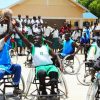
Disregarding Rights of Persons with Disabilities
The lack of consistency and a patchy approach undermines the Government of Nepal’s credibility in fulfilling the rights of persons with disabilities. One step forward and several steps back.
Train Faith Leaders to Tackle Africa’s Mental Health Needs
The world is actually in the throes of two pandemics. The first is COVID-19. The second is the wave of stress and anxiety, depression and substance use it has unleashed around the world. Most mental health disorders are treatable.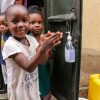
The Urban Poor are Fighting Back Against COVID-19
For those who live in slums and informal settlements, the Covid-19 pandemic has brought to the forefront their greatest vulnerabilities. But they are fighting back; organising, and coming up with creative ways to protect their communities.
COVID’s Impact in Real Time: Finding Balance Amid the Crisis
One enduring lesson from the COVID-19 pandemic is that any lasting economic recovery will depend on resolving the health crisis.
Gendering Agriculture so Women Take the Lead in Feeding Africa
Africa’s hopes of feeding a population projected to double by 2050 amidst a worsening climate crisis rest on huge investments in agriculture, including creating the conditions so that women can empower themselves and lead efforts to transform the continent’s farming landscape.
COVID-19: Examining Theories for Africa’s Low Death Rates
As the threat of a COVID-19 pandemic emerged earlier this year, many felt a sense of apprehension about what would happen when it reached Africa. Concerns over the combination of overstretched and underfunded health systems and the existing load of infectious and non-infectious diseases often led to it being talked about in apocalyptic terms.
Scaling Up SDG4 in Crises
Out of global crises spring opportunities for change. In crisis, change is not an option. It is a necessity. And, as Plato famously noted: “Necessity is the mother of invention.” Education Cannot Wait (ECW) is an invention that sprang out of crisis and was borne of necessity.« Previous Page — Next Page »


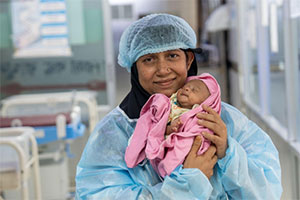 Bangladesh: Sarid, born one month early, receives specialized newborn care and grows stronger every day. Credit: UNICEF/UNI944397/Mojumder
Since the onset of the 2000s, global life expectancy has seen an overall rise, attributed to significant technological and scientific innovations in healthcare. Due to an increased understanding of different conditions as well as a rise in cooperation among healthcare experts around the world, there have been major strides made in ensuring that as few people die from chronic illnesses as possible. Despite the belief that healthcare is a fundamental human right, people from low- or middle-class backgrounds, marginalized groups, and underdeveloped countries have far more limited access to basic healthcare services.
The COVID-19 pandemic showed how marginalized communities are disproportionately affected by health crises, proving that we have much work to do in ensuring that no one dies of terminal conditions. While the global response to the coronavirus saw significant strides in immunization and vaccine development, the global outbreak of mpox in 2022 and its upsurge in parts of Africa in 2024 must remind us to remain vigilant.
Other major disease outbreaks in recent years have been linked to the destruction of infrastructure during warfare. Notably, in 2024, the Gaza Strip witnessed a return of the poliovirus since its eradication in the region 25 years ago. Israel’s blockade on Gaza has resulted in the collapse of the region’s sewage plants and desalination plants, and also destroyed healthcare capacities. The UN stated that this lack of clean water and sanitation would lead to an outbreak of cholera and other deadly infectious diseases. The 2026 OCHA Humanitarian Situation Report confirmed that the over two years of conflict in Gaza has produced a catastrophic health emergency, with millions remaining dependent on relief aid amid tight restrictions and no functioning public health system.
IPS is committed to providing full and comprehensive coverage on healthcare challenges around the world. IPS seeks to address the multifaceted causes of such challenges, including unprecedented pandemics, conflict-driven disease outbreaks, as well as socioeconomic barriers to equal healthcare access. IPS is also dedicated to reporting on innovations in the healthcare industry.

The Week with IPS

NEXT STOP - SDGs
Tracking global progress towards a sustainable world
Tracking global progress towards a sustainable world
