Languages
Saturday, November 21, 2026



News and Views from the Global South
Poverty & SDGs
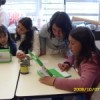
URUGUAY: Schoolgirls Access Computers but Can’t Shake Gender Stereotypes
The girls who attend the school of Villa García, a township on the outskirts of the Uruguayan capital, are still playing dolls and dress up - only now they do it on their laptop computers.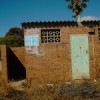
ZIMBABWE: Neglect Sanitation at Your Peril
A functioning public toilet has become a rare sight in Bulawayo. Across this southern Zimbabwean city of about two million residents, public toilets have all but stopped functioning, the buildings now more useful as platforms for graffiti and campaign posters than as public conveniences where people answer the call of nature.
Q&A: Brazil’s Lesson to the World: Invest in Family Farming
Kanayo F. Nwanze chose Brazil for his first official visit as the recently elected president of the International Fund for Agricultural Development (IFAD), and was pleased to personally attest to President Luiz Inácio Lula da Silva’s commitment to family farming.
DEVELOPMENT-CUBA: Water Scarce at the 'Singing Frog'
Canta Rana, which somewhat ironically translates as "Singing Frog", is more than just a neighbourhood in this town in the drought-stricken eastern Cuban province of Holguín. Here, at the highest point in the area, which provides a view of the entire town and the sugar mill tower, there is a huge tank marked by rust, the passage of time and the scarcity of water.
RIGHTS-BULGARIA: Two Women Take on Defence Ministry
Two young women are suing Bulgaria's Ministry of Defence over gender discrimination in the mainly ceremonial, National Guard - a case that could go a long way in changing patriarchal social norms.
Q&A: Reality Fell Upon Us: Women's Voices Must Be Heard
Fifty-six percent of Rwanda's parliamentarians are women, a manifestation of the active role women have taken in rebuilding the country since the 1994 genocide.
HEALTH-INDIA: High Morbidity Mars Kerala Women’s Progress
While Kerala, in southwest India, enjoys enviable indices when it comes to health and human development, the state seems unable to shake off high chronic morbidity rates among its women.
Q&A: Agriculture Can Lead Poverty Reduction
Agriculture is vital to the economies of West and Central African countries, but poverty remains a reality in the region's rural areas.HEALTH: Namibia Makes Strides in Paediatric HIV
While paediatric HIV remains a growing concern throughout Southern Africa, Namibian doctors have managed to put high numbers of babies on the life-saving antiretroviral (ARV) treatment with the help of an early infant diagnosis (EID) programme based on dry blood sampling.ENVIRONMENT: Rich Nations Vulnerable to Water Disasters
The growing shortage of water - a perennial problem in the world's poorer nations - is expected to eventually reach the rich nations in the Western world.
COSTA RICA: Women Ageing Alone, Easy Prey to Looting
Though América Herrera may not ever know it, she has become the poster child for a growing practice in Costa Rica, which experts define as financial or economic abuse of the elderly.
ECONOMY-ANGOLA: Entrepreneurial Spirit Born Out of Necessity
"Amiga, amiga," the women shout out, "Apples, pears, pineapples..." their cries fading into the beeps and growls of the traffic noise.POVERTY-SWAZILAND: Planning Oversight Halts Food Security Programme
A Food-for-Work programme, which cleverly aims to combat both environmental degradation and food shortages, has come to a halt due to lack of long-term planning.POLITICS: U.N. to Live or Die by Its Policy Ideas
The United Nations has long been described - rather contemptuously - as one of the world's biggest talking shops.
HEALTH-AFRICA: Phoney Choice Between Life and Death
Failure to sustain funding for HIV/AIDS treatment programmes could lead to a rising number of deaths, particularly in Africa.
AUSTRALIA: Male Job Losses Rise as Families Count Costs
Despite concerns that female workers would bear the brunt of Australian job losses due to the global economic downturn, employees in the male-dominated manufacturing industry have so far been the hardest hit.HEALTH-AFRICA: Where To Find A Million New Nurses?
If developing countries want to succeed in improving their health systems, they urgently need to decentralise them and shift tasks from doctors to nurses and community health workers, said experts at the Fifth International AIDS Society (IAS) Conference on HIV Pathogenesis, Treatment and Prevention in Cape Town.
Q&A: Sanitation No Longer a Dirty Word in India
In India, many moons ago, nobody dared talk about toilets - a subject that was taboo, particularly at mealtime.
LATIN AMERICA: While Women Pull Double Shift, State Looks the Other Way
Little does it matter if they’re black or white, rich or poor, young or old. Neither does it matter if they work or hold a degree. In Latin America, women bear the brunt of household chores, child-raising and care of the elderly, while the state looks the other way.
HEALTH-AFRICA: Maintain Funding for HIV/AIDS Prevention
Health experts and scientists have accused the world's wealthiest countries of abandoning the goal of universal access to HIV prevention, care and treatment by 2010.Q&A: Burkina Faso Moving Towards Food Security
Burkina Faso was one of several countries that where a rapid rise in food prices led to rioting in the streets in 2008. Policy-makers had sensed a crisis developing, but the country was not able to build up sufficient reserves of imported commodities such as rice, wheat and oil to avoid it. There is now an emphasis on achieving food security.« Previous Page — Next Page »


 Romani people in Cairo, Egypt, forage through trash. Credit: UN Photo/Armineh Johannes
In 2015, the United Nations adopted the Sustainable Development Goals (SDGs) in an effort to promote “peace and prosperity for people and the planet.” To achieve that goal, it is essential to provide equal opportunities and access to basic services to all people. The 2025 UN SDG Report found that 35% of the 169 SDG targets are on track or making moderate progress, while 18% have reversed compared to the 2025 baseline. One in ten people still live in extreme poverty, one in eleven experience food insecurity, and over 1.1 billion people live in slums without access to clean water and sanitation. It is imperative to acknowledge the societal, technological, economic, and political issues that sustain poverty in countries around the world. Eradicating poverty will require significant frameworks in policy and governance on a national and international scale to ensure that all people will have equal access to basic services and economic opportunities by 2030. Furthermore, a dramatic reduction of United States foreign aid in 2025, including the termination of 83% of USAID programmes, threatens to erode years of fragile development gains.
Throughout the world, violent conflict and natural disasters also contribute to extreme poverty. The complete destruction of infrastructure and blockage of aid has significantly impoverished Palestine since October 7th. The destructive impact of Hurricane Maria in Puerto Rico left $91 billion in damage. An inadequate US government response also revealed significant and enduring questions within the issue of mitigating poverty: how do we rebuild infrastructure after its destruction? How do we restimulate economic development and bring in financial aid after disasters? Similar questions have been raised in the realm of regional cooperation, as devastating floods have wrecked hundreds of thousands of homes across multiple Southeast Asian nations in the past few years. Furthermore, the COVID-19 pandemic has greatly exacerbated the global poverty crisis, particularly in developing countries, setting back the United Nations goal of eradicating poverty by 2030.
IPS is committed to providing comprehensive features that focus on the persisting environmental, sociopolitical, and systemic issues that sustain poverty, and the steps taken worldwide towards poverty eradication.

The Week with IPS

NEXT STOP - SDGs
Tracking global progress towards a sustainable world
Tracking global progress towards a sustainable world

