Languages
Friday, October 9, 2026



News and Views from the Global South
Poverty & SDGs

Low-cost Technology can Have Life-changing Impacts for Rural Women
Access to technology which is relatively inexpensive to deploy can have a life-changing impact for rural women, social scientist Valentina Rotondi told IPS.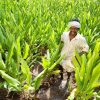
Why Food System Transformation Needs Water
The impact of Covid-19 on supply chains and food security has dealt a blow to the already faltering global development ambition of ending hunger.
Q&A: Food Systems need to Mimic Nature
Despite the World Food Programme (WFP) being awarded the 2020 Nobel Peace Prize for its work in addressing global hunger, sustainable food systems expert Emile Frison believes a lot more needs to be done. This includes the rethinking of approaches to agricultural production, establishing deeper relationships between consumers and producers, and taking a wholistic approach towards socio-economic factors.
Amid COVID-19, What is the Health of Civic Freedoms?
More than half a year after the World Health Organization declared the COVID-19 outbreak a pandemic, governments are continuing to waste precious time and energy restricting human rights rather than focusing on fighting the virus.
Why We Need Trees to End to Poverty – Landmark Report
With extreme poverty (living on $1.90 a day) projected to rise for the first time in over 20 years, a new study has concluded that global poverty eradication efforts could be futile in the absence of forests and trees.
Global Poverty Soars– As Incomes of World’s Billionaires Hit New Highs
The phenomenal rise in extreme poverty -– for the first time in 20 years -- has been accompanied by an upsurge in the incomes of the world’s billionaires and the super-rich.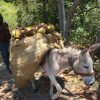
Working Animals’ Role in SDGs and Addressing Climate Change, Pandemic Crises
As we prepare to celebrate the 75th anniversary of the Food and Agriculture Organization of the United Nations (FAO), it is time to recognise the role of working animals in livelihood systems, addressing climate change and in human health, which has been overlooked for too long. The Working Animal Alliance seeks to change this.
Changing the Lives of Bangladesh’s Rural Girls by Giving them a Tertiary Education
Nila Kispotta, a 19-year-old rural girl from the Oraon ethnic community, has become a figure of exceptional achievement to the small, poverty-stricken village in Thakurgaon in northwest Bangladesh that she grew up in. Born into a family of daily wage earners, Kispotta dreamt of a different life. So when she enrolled in tertiary education to pursue a diploma in Nursing Science and Midwifery — she achieved something her family and community hadn’t even dreamed was possible.
Improving People’s Lives with Digital Technology during COVID-19
Digital technology has been crucial in ensuring community and connection during the coronavirus pandemic and subsequent lockdowns. And its shown that collaboration between the private and public sector can ensure that digital technology continues to advance in a way that improves people’s lives under crises, experts said on Tuesday, Oct. 13.
How the Pacific Islands are Balancing COVID-19 Survival Demands on Coastal Fisheries with Sustainable Management
Coastal fisheries in the Pacific Islands have become a food and livelihood lifeline to many people who have lost jobs, especially in urban centres and tourism, following COVID-19 lockdowns and border closures. Now governments and development organisations are trying to meet the crisis-driven survival needs of here and now, while also considering the long-term consequences on near shore marine resources and habitats.
Indigenous Peoples & Local Communities Offer Best Hope for Our Planetary Emergency
Indigenous peoples and local communities offer the best hope for solutions to our planetary emergency. These solutions are grounded in traditional, time-tested practices and knowledge.
Q&A: Women in Mali Play Critical Role in Preventing and Resolving Conflicts
The coronavirus pandemic has affected the safety and sense of community for many women in Mali given the travel restrictions and lockdowns in place, Bassirou Gaye, an assistant researcher for a 2019 report on the role of Mali women in peacekeeping, told IPS this weekend.

Gendering Agriculture so Women Take the Lead in Feeding Africa
Africa’s hopes of feeding a population projected to double by 2050 amidst a worsening climate crisis rest on huge investments in agriculture, including creating the conditions so that women can empower themselves and lead efforts to transform the continent’s farming landscape.
Scaling Up SDG4 in Crises
Out of global crises spring opportunities for change. In crisis, change is not an option. It is a necessity. And, as Plato famously noted: “Necessity is the mother of invention.” Education Cannot Wait (ECW) is an invention that sprang out of crisis and was borne of necessity.
Nobel Peace Prize to World Food Programme Delivering Life-Saving Sustenance to Millions Worldwide
With the 2020 Nobel Peace Prize bestowed on the Rome-based World Food Programme (WFP), the United Nations and its affiliated agencies continue to hold a monopoly of one of the world’s most prestigious annual awards.
Poverty, Official Complicity Hampers Human Trafficking Fight in Malawi
In August, police intercepted the trafficking of 31 people to Mozambique. The victims, all Malawians, included 17 children and 6 women. Their two traffickers, also Malawians, had coerced them from their rural village in Lilongwe district with a promise of jobs in estates in neighbouring Mozambique. But they were saved in large part thanks to their own community.
Empowering India’s Poor so They Don’t Return to Bonded Labour – Part 2
One day, while the rest of his family were out at work, Kamlesh Pravasi from Jigarsandih village in Azamgarh district of Uttar Pradesh was “abducted when I returned home one day from school, by a contractor’s goons,” he told IPS. The then 12-year-old Pravasi, who was in the sixth grade, was forced to work in bonded labour in a brick kiln because his father could not repay a Rs 5,000 ($68) loan he had taken out from the contractor in order to pay for medical treatment for Pravasi’s sick brother.
Teachers Shoulder the Burden: Improving Support in Crisis Contexts
Teachers are at the heart of children and young peoples’ educational experiences. Teachers play multiple roles in their students’ lives by supporting their learning, providing them with inclusive and safe environments to grow and develop, and helping them become more confident as they make their way in the world. As we commemorate World Teachers’ Day on Monday, 5 October and its theme--Teachers: Leading in Crisis, Reimagining the Future--we must recognize the inspiring and transformative role that teachers working in armed conflicts, forced displacement, climate change induced disasters and protracted crises play in their students’ lives.
We Need Nature and Biodiversity if We Want a Sustainable Future
“Investing in nature is investing in a sustainable future,” was one of the key messages from yesterday’s first-ever United Nations Summit on Biodiversity where world leaders and experts agreed on the urgency to act swiftly to preserve biodiversity globally.
The Triple Humanitarian Crisis and Why Kenya Deserves An A + in its Response
The United Nations Deputy Secretary General, Ms Amina Mohammed recently commended “Kenya’s exemplary role in its response to COVID-19 and in advancing Agenda 2030”.
Water Security in Jordan is Crucial to Maintaining Stability in the Country
Jordan is one of the driest countries in the world, raking the fifth most water-stressed nation in an analysis by the World Resources Institute.« Previous Page — Next Page »





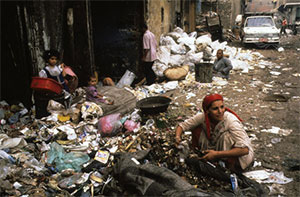 Romani people in Cairo, Egypt, forage through trash. Credit: UN Photo/Armineh Johannes
In 2015, the United Nations adopted the Sustainable Development Goals (SDGs) in an effort to promote “peace and prosperity for people and the planet.” To achieve that goal, it is essential to provide equal opportunities and access to basic services to all people. The 2025 UN SDG Report found that 35% of the 169 SDG targets are on track or making moderate progress, while 18% have reversed compared to the 2025 baseline. One in ten people still live in extreme poverty, one in eleven experience food insecurity, and over 1.1 billion people live in slums without access to clean water and sanitation. It is imperative to acknowledge the societal, technological, economic, and political issues that sustain poverty in countries around the world. Eradicating poverty will require significant frameworks in policy and governance on a national and international scale to ensure that all people will have equal access to basic services and economic opportunities by 2030. Furthermore, a dramatic reduction of United States foreign aid in 2025, including the termination of 83% of USAID programmes, threatens to erode years of fragile development gains.
Throughout the world, violent conflict and natural disasters also contribute to extreme poverty. The complete destruction of infrastructure and blockage of aid has significantly impoverished Palestine since October 7th. The destructive impact of Hurricane Maria in Puerto Rico left $91 billion in damage. An inadequate US government response also revealed significant and enduring questions within the issue of mitigating poverty: how do we rebuild infrastructure after its destruction? How do we restimulate economic development and bring in financial aid after disasters? Similar questions have been raised in the realm of regional cooperation, as devastating floods have wrecked hundreds of thousands of homes across multiple Southeast Asian nations in the past few years. Furthermore, the COVID-19 pandemic has greatly exacerbated the global poverty crisis, particularly in developing countries, setting back the United Nations goal of eradicating poverty by 2030.
IPS is committed to providing comprehensive features that focus on the persisting environmental, sociopolitical, and systemic issues that sustain poverty, and the steps taken worldwide towards poverty eradication.

The Week with IPS

NEXT STOP - SDGs
Tracking global progress towards a sustainable world
Tracking global progress towards a sustainable world

