Languages
Saturday, November 28, 2026



News and Views from the Global South
Economy & Trade
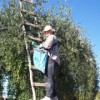
ARGENTINA: Rural Slavery at Time of Record Earnings
Crowded into precarious mud-floored dorms or sheet-metal trailers or forced to live in tents of plastic sheeting, with neither piped water nor electricity, after working 14-hour days: these are the harsh conditions faced by hundreds of thousands of rural workers in Argentina despite bumper crops and record earnings for agribusiness.
AFRICA: Responsible Travel Means Not “Haggling Over Wooden Beads”
Tourism as a concern found its way onto the agenda of the 1992 Earth Summit in Rio de Janeiro because of its potential for development but also due to its adverse effects on some populations and natural resources, particularly in Africa.MEXICO: Cooperatives Offer an Alternative
After years of decline, the cooperative movement in Mexico is reviving as a relatively safe haven from the shocks of the neoliberal free- market model of production and the financial and food crises that have affected the country.India, Wary of China and Pakistan, Boosts Arms Stockpiles
As it projects its political and economic power in Asia - and vigorously pushes its longstanding claims for a permanent seat in the United Nations Security Council - India is also steadily strengthening its military might in the sprawling continent.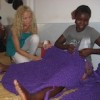
TRADE: Chic Carpets Link Mozambique, Denmark and, Soon, Brazil
In two rooms in a small Mozambican coastal town, 70 women are cutting, weaving and packaging fabric carpets destined for eclectic design and homeware stores in Denmark and, soon, Brazil and South Africa.Caribbean Tourism Officials Seek Concessions from Europe
Caribbean officials gathered in Brussels for the region's annual tourism summit, the first to be held in Europe, are urging their biggest development partner to draft policies supporting the lifeblood sector and ease restrictions such as Britain's Air Passenger Duty (APD), which they say are holding back its growth.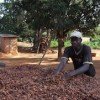
Ivorian Cocoa Producers Cry Foul Over Sanctions
The international community's efforts to deny embattled president Laurent Gbagbo access to funds from cocoa exports have resulted in hundreds of thousands of tonnes of Ivorian cocoa surfacing in neighbouring countries.Businesses in Brazil Rediscover “Route to the Indies”
Companies from Brazil and India -- whose bilateral trade flow rose nearly threefold in the last three years -- are starting to diversify and complement their business dealings in order to strengthen the two emerging powers' economic presence in the world, in a kind of new two-way "route to the Indies".WATER: Working Together on River Management
Postwar Angola is keen to expand irrigation for much-needed development, Namibia is prioritising clean drinking water and sanitation, while Botswana wants to preserve the integrity of the world-renowned Okavango Delta for tourism.
NAMIBIA: Water in the Kambashu
For Namibia's capital city, the goal of sustainable water and sanitation is a major challenge for the 21st century.
SOUTHERN AFRICA: Non-Tariff Trade Barriers Springing Up
Despite regional initiatives that even include the eventual possibility of a ‘‘Cape- to-Cairo’’ free trade area, protectionist impulses have caused non-tariff barriers to spring up across Southern Africa.
U.S.: Tears and Anger after Wisconsin Passes Anti-Union Bill
Emotions are running high at the State Capitol in Madison, Wisconsin after Republican senators passed a revised version of a budget repair bill that will take away public workers' collective bargaining rights in an ad hoc session Wednesday night.
Public Debate on the Shape of Socialism in Cuba
The absence of more open social policies and real citizen participation are some of the concerns being debated in the run-up to the Sixth Congress of the ruling Cuban Communist Party (PCC) in April.KENYA: Budget Too Small to Cover Health Needs
Professor Anyang Nyong'o might have guessed that a trip to the United States for treatment for prostate cancer would provoke a furore: he is the Minister for Medical Services.IBSA Together in Resisting No-fly Zone
India has found backing at this week's India-Brazil-South Africa (IBSA) ministers meeting for its stance that a no-fly zone over Libya must follow multilateral consultations.EUROPE: Greek Tragedy, Act II
Fears are growing that in the coming months Greece will face increasing difficulty in responding to its debt obligations, despite the ambitious structural adjustment package that was introduced last year.WOMEN’S DAY: Without Grassroots, the Tree Will Not Stand
Women from grassroots organisations all across the globe arrived in New York this week for a five-day summit dedicated to bolstering female and community- based representation at all levels of political decision making.Libyan Weapons May Come Back to Haunt Europe
When Muammar el-Gaddafi went on an arms-buying spree in the 1970s and 80s - stockpiling a staggering array of sophisticated weapons systems both from the East and West - the United States warned that Libya was in danger of becoming one of the world's most "overarmed" countries.Spain Backpedals on Renewable Energy
Spain put the brakes on the use of clean energies to generate electricity, as the government approved an energy savings programme to cope with its large oil bill which affects its commitment to reduce non-renewable sources by 2020.
Will the Libya Syndrome Spread in OPEC?
The combination of a leader in power for 42 years, underground political forces bursting on the scene with violence, fractured armed forces and a fast-developing civil war would appear to be a specifically Libyan phenomenon that is unlikely to expand to the rest of OPEC.
Q&A: “The Trial Against Chevron Is Totally Corrupt”
Chevron, the second largest U.S. oil company, believes that to overturn the verdict ordering it to pay 9.5 billion dollars in reparations for environmental and public health damages in Ecuador's Amazon jungle, the best defence is a good offence.« Previous Page — Next Page »


 UN Commission on International Trade Law Holds Colloquium on Harmonizing Law in Age of Digital Trade and Finance. Credit: UN Photo/Manuel Elías
Trade has historically been a geopolitical tool that can both be used to propel development as well as entrench inequalities. In various nations in East Asia and Latin America, increased trade, as often seen in export booms, has allowed them to achieve influential standings within the global economy. On the other hand, many low-income countries in Sub-Saharan Africa, Asia, and Latin America struggle to maintain a robust trade performance, and oftentimes are subjugated to exploitative trade dynamics through intense extraction of their natural resources. In recent decades, international trade has reached a new era as emerging economies across the world are rising in economic preeminence. Stable international trade is crucial to world peace as global interconnectedness facilitates reliable diplomacy. Nevertheless, significant challenges are on the rise. Notably, a major wave of United States tariff escalations in January 2025 lifted US import taxes to their highest level since the 1930s, changing market dynamics and forcing renegotiations with global trading partners.These articles are aimed at informing readers about the complexities of trade and its varying effects on development, with a special focus on the consequences of the global economic crisis, the potential of fair trade and the gender implications of trade policies.
Updated by Yilan Batista and Shuli Wong August 2026

The Week with IPS

NEXT STOP - SDGs
Tracking global progress towards a sustainable world
