Languages
Friday, November 13, 2026



News and Views from the Global South
Economy & Trade

Another Unenviable Annual Record for Global Greenhouse Gas Emissions
A few days before the international community gathers for COP26, widely considered the most important climate conference since the 2015 gathering which resulted in the Paris Climate Agreement, the World Meteorological Organization (WMO) is reporting that despite global hits in trade and travel by the COVID-19 pandemic, the concentration of greenhouse gases in the atmosphere reached a new high in 2020.
Green Gold: Billion Dollar Question for Congo Rainforest
On the brink of an unprecedented environmental emergency, EU ambassadors to the Democratic Republic of Congo (DRC) gathered earlier this month for a luxury river cruise hosted by the country’s Environment Minister, Eve Bazaiba.
Bleak Prospects for Least Developed Countries
“The outlook for LDCs is grim”. The latest United Nations (UN) assessment of prospects for the least developed countries (LDCs) notes recent setbacks without finding any silver lining on the horizon. Promises unkept Half a century ago, LDCs were first officially recognised by a UN General Assembly resolution. It built on research, analysis and advocacy by the UN Conference on Trade and Development (UNCTAD).
COP26: Funding Innovation Crucial for Strengthening Climate-Stressed Food Systems
The global food system is facing more demands from society than ever before in modern times – and rightly so. From responding to the climate crisis to dealing with rising malnutrition and ensuring the sustainable use of natural resources and protection of biodiversity, the responsibility of our food systems is no longer just to “feed the world.”
An Ambitious, Stakeholder-Driven Climate Change Commitment Ahead of COP26: Eswatini’s Revised Nationally Determined Contribution (NDC) Process
There is no country today that has not experienced the effects of climate change, from changing weather patterns to extreme, devastating weather events.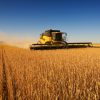
Grabbed
“Imagine that the land your family has worked for generations is suddenly stripped away from you, purchased by wealthy companies or governments to produce food or bio-fuels or simply as a profitable investment for other people, often far away. You watch on helplessly as vast tracts of land are cleared for mono-culture crops and rivers are polluted with run-off and chemicals.”
COP26: Building Climate Resilience Will Require a Focus on Those Furthest Behind
As the United Nations Climate Change Conference, also known as COP26, approaches (31 October -12 November in Glasgow, Scotland), climate action is more urgent than ever. Yes, we need climate change mitigation.
Fair Tax Plan Could Prejudice Global South
An agreement between 136 countries aimed at forcing the world’s biggest companies to pay a fair share of tax has been condemned by critics who say it will benefit richer states at the expense of the global South.
Forests & Climate: We Need to do Much, Much More
Governments agree that saving the climate means saving forests – but ambition and action fall short of what’s required. First the good news: one of the forest goals agreed by governments, businesses and civil society organizations has been met.
Turning Carriers of Water into Managers of Water
Each morning, Langelihle Tshuma checks her taps to confirm the water supply before preparing for the day ahead. Despite living in the city, the married housewife and mother of four has become accustomed to what in most cities would be considered an essential service.
Guess Who’s Behind Paralysis on COVID19 in the UN Committee on World Food Security
‘COVID 19 has multiplied hunger and malnutrition challenges. We need transformative action!’ The first speaker at the UN Committee on World Food Security’s (CFS) 49th Plenary Session, the Secretary-General of the United Nations, turned the spotlight on the disastrous impacts of the pandemic that have afflicted communities around the world for close to two years.
For the South, all Roads in Global Economic Governance Lead to Inequality & Vulnerability
Last week’s annual meetings of the International Monetary Fund (IMF), World Bank and G20 finance ministers illustrated that despite a historic debt crisis sweeping across developing countries and their urgent need for external financing for health and economic recovery, global economic institutions governed by rich countries do not possess the political will to deliver meaningful solutions. The inadequacy of the G20’s debt relief framework, which has failed to restructure sovereign debt since its inception, stands without change or any fresh effort to mobilize private sector participation in debt relief.
Inflation Bogey Blocking Recovery
The bogey of inflation has been revived. Dubious pre-pandemic economic progress, fiscal constraints and vaccine apartheid were bad enough. Now, ostensibly anti-inflationary measures also threaten recovery and sustainable development.
Hamburgers and Climate Change
Probably no country is more closely associated with the hamburger than the United States. It’s fair to say that the hamburger is the country’s culinary icon. It’s the most popular fast food consumed and readily available from coast to coast.
Table Banking Helping Women in Kenya to Put Food on the Table
Pascaline Chemutai’s five acres of land located in the country’s breadbasket region of Rift Valley recently produced 115 bags of maize, each weighing 90 kilograms. She tells IPS that of these, 110 bags will be transported to traders in Nairobi and neighbouring Kiambu County at a negotiated price of $23 per bag.
Inclusive Education to Break the Cycles of Poverty
In September 2021, children in the northern hemisphere returned to school after the summer break. For some, the end of the holidays signaled a return to normalcy and to the joys of learning after facing months of school closures due to the Covid-19 pandemic. For the majority of children in the Global South, however, the return to reality looked grimmer.
QE, or No QE, That is the Question?
The guardians of the global economy convened in Washington this week to discuss their latest global growth forecasts. The World Bank-IMF Board of Governors meetings have been squarely focused on the global response to COVID-19, with economists warning of slowing momentum in wealthy nations and grossly uneven recoveries across the developing world.
Argentina’s Small Farming Communities Reach Consumers Online
"The biggest problem for family farmers has always been to market and sell what they produce, at a fair price," says Natalia Manini, a member of the Union of Landless Rural Workers (UST), a small farmers organisation in Argentina that has been taking steps to forge direct ties with consumers.
How Land Management Can Restore Hope to Women in Rural Kenya
Jenifer Kamba, 33, has always loved farming – a love passed on to her by her late husband after they married 14 years ago. The young farmer duo grew maise, pepper and vegetables on their two-acre farm in Kivandini of Kenya’s Machakos county. Even after her husband died five years ago, Kamba didn’t stop farming. However, of late, the soil looks dry, and her production has declined considerably.
Atoll Nation of Tuvalu Adopts ‘Cubes’ to Step Up Nutritious Food Production
Tuvalu, a small atoll island nation in the Central Pacific Ocean, is one of few countries in the world to have so far evaded the pandemic. But, while it has achieved a milestone with no recorded cases of COVID-19, its population of about 11,931 continues to battle food uncertainties and poor nutrition. These challenges, present long before the pandemic emerged, have been exacerbated by lockdown restrictions and economic hardships during the past year and a half.
World Food Day: Climate Change is Exacerbating Hunger & Conflict—it’s Time to Break the Cycle
Hunger, violent conflict and the visible impacts of climate change are all on the rise. World Food Day, October 16, is a reminder that we need to talk about the intricate ways that these challenges are connected—and how to tackle them together.« Previous Page — Next Page »


 UN Commission on International Trade Law Holds Colloquium on Harmonizing Law in Age of Digital Trade and Finance. Credit: UN Photo/Manuel Elías
Trade has historically been a geopolitical tool that can both be used to propel development as well as entrench inequalities. In various nations in East Asia and Latin America, increased trade, as often seen in export booms, has allowed them to achieve influential standings within the global economy. On the other hand, many low-income countries in Sub-Saharan Africa, Asia, and Latin America struggle to maintain a robust trade performance, and oftentimes are subjugated to exploitative trade dynamics through intense extraction of their natural resources. In recent decades, international trade has reached a new era as emerging economies across the world are rising in economic preeminence. Stable international trade is crucial to world peace as global interconnectedness facilitates reliable diplomacy. Nevertheless, significant challenges are on the rise. Notably, a major wave of United States tariff escalations in January 2025 lifted US import taxes to their highest level since the 1930s, changing market dynamics and forcing renegotiations with global trading partners.These articles are aimed at informing readers about the complexities of trade and its varying effects on development, with a special focus on the consequences of the global economic crisis, the potential of fair trade and the gender implications of trade policies.
Updated by Yilan Batista and Shuli Wong August 2026

The Week with IPS

NEXT STOP - SDGs
Tracking global progress towards a sustainable world
Tracking global progress towards a sustainable world
