
Thursday, November 12, 2026



News and Views from the Global South
Climate Change

Did You Try Out Rosemary’s Ceci or Makhlouta with Banana Bread?
The original inhabitants of Planet Earth already knew—and still know how to eat healthy. Modern, urbanised and industrialised people mostly not. Anyway, life can be made easier than one may think. Just see what a world leading specialised body in the field of food and nutrition advises on what to eat and even how to cook it.
Latin America to Take the Temperature of Paris Agreement at Climate Summit
With the ratification and entry into effect of the Paris Agreement still fresh, the countries of Latin America are heading to the climate summit in Marrakesh in search of clear rules that will enable them to decarbonise their economies to help mitigate global warming.
Paris Climate Agreement: “Hard Work Starts Now”
The Paris Climate Change Agreement will enter into force on Friday 4 November, just days before the UN’s 22nd climate change conference begins in Marrakech, Morocco.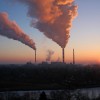
World to Cut Gas Emissions by 25 Percent More Than Paris Agreement
On the eve of the entry into force of the Paris Agreement today Nov. 4, the United Nations sounded new climate alarm, urging the world to ‘dramatically’ step up its efforts to cut greenhouse gas emissions by some 25 per cent more.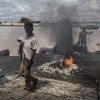
Toxic Air – The ‘Invisible Killer’ that Stifles 300 Million Children
About 300 million children in the world are living in areas with outdoor air so toxic – six or more times higher than international pollution guidelines – that it can cause serious health damage, including harming their brain development.
Africa and the Paris Agreement: Which Way Forward?
The Paris Agreement on climate change is set to enter into force on Nov. 4, after it passed the required threshold of at least 55 Parties, accounting for an estimated 55 per cent of the total global greenhouse gas emissions, ratifying the agreement.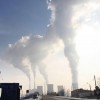
Climate Doomsday – Another Step Closer
Almost inadvertently, humankind is getting closer everyday to the point of no-return towards what could be called the ‘climate doomsday’. Now, globally averaged concentration of carbon dioxide (CO2) in the atmosphere has surged again to new records in 2016… and will not dip below pre-2015 levels for many generations.
Funding Lags to Combat Land Degradation
Land degradation already affects millions of people, bringing biodiversity loss, reduced availability of clean water, food insecurity and greater vulnerability to the harsh impacts of climate change.
Learning from Past Mistakes: Rebuilding Haiti After Hurricane Matthew
As Haiti reels from another disaster once again, many are questioning the humanitarian system and looking for long-term solutions with Haitians at the heart of response.
Changing Climate Threatens World’s Smallholder Farmers
Farmers are already experiencing the effects of climate change but can also help to fight it, according to a new report released by the UN Food and Agriculture Organization (FAO).
Water Bodies Central to Urban Flood Planning
“The rain was our nemesis as well as our saviour,” says Kanniappan, recalling the first week of December 2015 when Chennai was flooded.
Q&A: Land Degradation Could Force 135 Million to Migrate in Next 30 Years
One of the critical challenges facing the world today is that emerging migration patterns are increasingly rooted in the depletion of natural resources.
Indigenous Land Rights Bring Economic, not just Environmental Benefits
Secure indigenous land rights not only bring environmental benefits, they can also foster economic development, according to a new report released by the World Resources Institute.
Q&A: We Won’t Go Far Until Climate Issues Are Mainstreamed in Policy
Two years ago at the 31st African Union Summit in Malabo, Equatorial Guinea, heads of state and government endorsed the New Partnership for Africa's Development (NEPAD) programme on agriculture and climate change with the bold vision of at least 25 million smallholder households practicing Climate Smart Agriculture (CSA) by 2025.Six-year-old Australian Girl Uses Video to Reach out to World about Climate Issues
When Canadian novelist Margaret Atwood tweets, the world listens.
Hit by Extreme Weather, South Asia Balances Growth and Food Security
Sri Lanka is literally baking these days.
Climate Change Adaptation – Key to Reaching Zero Hunger in Latin America
Climate change is leading to major modifications in agricultural production in Latin America and the Caribbean, and if mitigation and adaptation measures of the productive system are not urgently adopted, threats to food security will be exacerbated.
The Beating Pulse of Food Security in Africa
Elizabeth Mpofu is a fighter. She is one of a select group of farmers who equate food security with the war against hunger and shun poor agricultural practices which destroy the environment and impoverish farmers, especially women.
$90tn Infrastructure Investment Could Combat Climate Change: Report
The world will need to more than double its current infrastructure stock over the next 15 years - a massive undertaking which could either contribute to or combat catastrophic climate change - according to a new report.
Coffee Producers in Costa Rica Use Science to Tackle Climate Change
“Our coffee production per hectare has dropped due to early ripening of the fruit and diseases,” Maritza Cal[related_articles][related_articles] coffee farmer in the mountains in southern Costa Rica, told IPS.
Making Policy out of Scientific Bricks, not Straw
Given the enormity of the challenges confronting humanity, the world’s investment in science, technology and innovation is woefully inadequate.« Previous Page — Next Page »





As unsustainable human consumption and production systems are driving changes in average temperatures and weather patterns, "abnormal" is increasingly becoming the norm. So far, a lack of financing has been standing in the way of a comprehensive global plan for climate adaptation, and a global financial crisis has contributed to an increasing reliance on public-private partnerships. Our Climate Change page provides you with the latest news about international and local efforts to address what's frequently been called "the challenge of our time", the forces behind the climate change and the impact it has on the world's most vulnerable populations. Along the way, we bring you stories on growing citizen awareness, new scientific data, and emerging climate policies towards sustainable development.

The Week with IPS

Tracking global progress towards a sustainable world

