
Tuesday, November 17, 2026



News and Views from the Global South
Climate Change

Caribbean Hit Hard by Sargassum Seaweed Invasion
When scientists speak of the Sargasso Sea, which occupies part of the Atlantic Ocean, there is usually little mention of things drifting out because of the immobile currents.
Warming to Ignite the Carbon Bomb
Rising temperatures are drying out northern forests and peatlands, producing bigger and more intense fires. And this will only get much worse as the planet heats up from the use of ever larger amounts of fossil fuels, scientists warned last week at the end of the major science meeting in Vancouver.
Q&A: Climate Funding Needs Gender Equity
Gender considerations remain largely disregarded in existing climate funds, even though women are some of the hardest hit by the impacts of climate change on livelihoods and agriculture.
Caribbean Hit Hard by Sargassum Seaweed Invasion
When scientists speak of the Sargasso Sea, which occupies part of the Atlantic Ocean, there is usually little mention of things drifting out because of the immobile currents.
Airwaves Cut Distances in Rural Peru
The Onda Rural communication for development initiative in Peru has come up with a range of strategies to get information out to remote villages, to help them with decision-making on questions like climate change adaptation or disaster preparedness.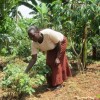
Rural Women Are Leading the Way – Will the World Follow? – Part 2
The United Nations’ 56th session of the Commission on the Status of Women (CSW) begins today in New York, with the empowerment of rural women high on a list of priorities for this year.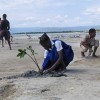
Eastern Caribbean Seeks Funds for Green Growth
As developing countries urgently seek new sources of financing to cope with problems linked to climate change, delegates from the nine-nation Organisation of Eastern Caribbean States (OECS) met here last week to evaluate potential funds and outline a more concrete vision of what is required for the subregion.
Eastern Caribbean Seeks Funds for Green Growth
As developing countries urgently seek new sources of financing to cope with problems linked to climate change, delegates from the nine-nation Organisation of Eastern Caribbean States (OECS) met here last week to evaluate potential funds and outline a more concrete vision of what is required for the subregion.Warming to Ignite the Carbon Bomb
Rising temperatures are drying out northern forests and peatlands, producing bigger and more intense fires. And this will only get much worse as the planet heats up from the use of ever larger amounts of fossil fuels, scientists warned last week at the end of a major science meeting in Vancouver.
Rural Women Are Leading the Way – Will the World Follow? – Part 1
Agriculture currently provides a livelihood for roughly 1.3 billion smallholder farmers and landless workers, of which nearly half – close to 560 million – are women.
Wanted: Climate-Smart Agriculture
As the links between food security and climate change become increasingly inextricable, the necessity for sustainable agriculture is now a universal concern.
Scientists Urge Reform for a Broken Global System
Unless governments work actively to build a brighter future for humanity, climate change, poverty and loss of biodiversity will worsen and continue to exacerbate existing global problems, top scientists warned ministers attending the United Nations Environment Programme's (UNEP) governing council meeting in Nairobi, Kenya, on Monday.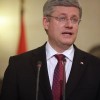
Scientists Denounce Climate Change Denial, Censorship
Amid revelations of a well-funded U.S. organisation's plans to deliberately distort climate science, scientists and journalists at a major scientific conference called on the Canadian government to stop its muzzling of scientists.
ETHIOPIA: “Significant Progress Towards Improving Livelihoods”
Ethiopia says that the double-digit economic growth the country has experienced over the last seven years has started benefitting its majority by boosting their income and productivity in agriculture and small-scale businesses.Building Sustainable Future Needs More Than Science, Experts Say
Contrary to popular belief, humans have failed to address the earth's worsening emergencies of climate change, species' extinction and resource overconsumption not because of a lack of information, but because of a lack of imagination, social scientists and artists say.
Barbados Looks to Beaches as First Line of Defence
Like most of its neighbours in the English-speaking Caribbean, Barbados's main economic asset is its coastal zone.CLIMATE CHANGE: Barbados Looks to Beaches as First Line of Defence
Like most of its neighbours in the English-speaking Caribbean, Barbados's main economic asset is its coastal zone.ARGENTINA: Parana River Not What It Used to Be
Lower water levels and increasing pressure from overfishing in the Paraná river are causing an unprecedented decline in fish stocks in the river that is regarded as the second most biodiverse in South America after the Amazon river.
PODCAST: Bangladesh Braves Climate Change With Community Radio
 Bangladesh Braves Climate Change With Community Radio

Bangladesh Braves Climate Change With Community Radio
"Welcome to Krishi (farming) Radio. You are listening to FM 98.8 megahertz and I am your hostess Shahnaz Parvin," the local community radio crackles over the mobile phones and transistors of residents in coastal Barguna district.Scientists Find Link Between La Niña and the Flu
Weather patterns could have an influence on the spread of epidemics like that of the H1N1 influenza virus, initially known as swine flu, which broke out in Mexico and the United States in 2009.« Previous Page — Next Page »


As unsustainable human consumption and production systems are driving changes in average temperatures and weather patterns, "abnormal" is increasingly becoming the norm. So far, a lack of financing has been standing in the way of a comprehensive global plan for climate adaptation, and a global financial crisis has contributed to an increasing reliance on public-private partnerships. Our Climate Change page provides you with the latest news about international and local efforts to address what's frequently been called "the challenge of our time", the forces behind the climate change and the impact it has on the world's most vulnerable populations. Along the way, we bring you stories on growing citizen awareness, new scientific data, and emerging climate policies towards sustainable development.

The Week with IPS

Tracking global progress towards a sustainable world

