
Friday, November 6, 2026



News and Views from the Global South
Environment

Carbon Markets Can Provide a Crucial Part of the Solution to the Climate Crisis
One of the main discussions at the COP25 climate change talks was Article 6, which is designed to provide financial support to emerging economies and developing countries to help them reduce emissions by using global carbon markets. Carbon pricing is an essential piece of the puzzle to curb emissions. Without a value on carbon, there is less incentive to make positive changes, especially in the private sector. The most efficient way to carry this forward is to allow trading of carbon both nationally and internationally, which will ensure the lowest cost of mitigation for participants globally.
Lithium and Clean Energy in Argentina: Development or Mirage?
The intense white brightness of the salt flats interrupts the arid monotony of the Puna in northwest Argentina, resembling postcards from the moon. Beneath its surface are concealed the world's largest reserves of lithium, the key mineral in the transition to clean energy, the mining of which has triggered controversy.
Billionaires’ Existential Threats to Humanity?
The social utility of billionaires’ existence has come under increased scrutiny, especially during the Democratic Party primaries for the 2020 US Presidential election. Leading newspapers, such as The New York Times, published opinion pieces arguing to abolish billionaires and reflecting on why billionaires engage in illegal insider trading.
Madrid Talks End Without Agreement on How to Finance Recovery from Climate-Related Atrocities
Millions of people, particularly in Africa, who lose their property, homes, and even die due to climate-related disasters will have to wait at least another year for the international community to agree on a means of supporting them.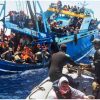
EU Policies Don’t Tackle Root Causes of Migration – They Risk Aggravating Them
According to political scientist Zaki Laïdi’s La tyrannie de l’urgence (The tyranny of emergency) from 1999, crisis and emergency situations leave no time for analysis, prevention or forecasting. As an immediate protective reflex, they prevent long-term solutions and pose a serious risk of jeopardising the future.
2019 – A Devastating Year in Review
By any measure this has been a devastating year: fires across the Amazon, the Arctic and beyond; floods and drought in Africa; rising temperatures, carbon emissions and sea levels; accelerating loss of species, and mass forced migrations of people.
Women in Climate Hot Spots Face Challenges Adapting
Women in Asia and Africa hardest hit by climate change have a tough time adapting to the climate emergency, even with support from family or the state, finds a new study. The results raise questions for global agreements designed to help people adapt to the climate emergency, it adds.
2019: A Year in Review
 2019 will be remembered as the year the climate crisis shook us all. Hopefully, it will also be remembered for the fight back manifested in the spread of mass protests and civic movements against governments and industries failing to respond.
Industrial Energy Efficiency is a Climate Solution
At a time when the world is battling unprecedented drought, bushfires, rising sea levels and water shortages, reducing energy use across industry is one powerful way to fight climate change in the immediate term.
COP 25: ‘Africa’s future depends on solidarity’ Leaders and development partners rally around climate change goals
There was standing room only as ministers, diplomats, activists and journalists gathered at the IFEMA conference centre in Madrid to mark Africa Day at the COP 25 climate meeting.
Haiti’s Cry for Help as Climate Change is Compared to an Act of Violence against the Island Nation
Haiti’s Environment Minister Joseph Jouthe has compared the climate emergency to a violent act and appealed to the international community for help to fight climate change.
How Climate Change is Fuelling Insurgency of Nigeria’s Militant Boko Haram
Experts say climate change is a key factor fuelling the insurgency of the armed group Boko Haram. The insurgency, which is aimed at creating an Islamic State in North East Nigeria, is responsible for one of the worst humanitarian crisis in the world.

Commonwealth: Commit to Limit Global Warming or Face Irreversible Impacts
Commonwealth countries, including those in the Caribbean, continue to push for more ambition, following reports that a few very influential parties have stymied efforts to respond to the climate emergency.
Coordinated Global Action Is the Best Way to Control the Fall Armyworm Pest
Dealing with transboundary pests is tricky at the best of times. Standards, practices, capacity levels and engagement vary across countries and regions, and responses are often ad hoc and ineffective. However, matters become even more complex when the pest in question flies over borders, threatens the food security and livelihoods of millions, and causes severe environmental and economic damage along the way. Fall Armyworm is such a pest.
Climate Financing Being Undermined by Rich Nations, NGOs Charge
The successful battle against climate change – which has triggered a rash of natural disasters, including floods, droughts and rising sea levels— will be predicated largely on the availability of financing.
Why Africa is Seeking Special Considerations on Climate Finance
As the 25th session of climate negotiations draw to an end this week, the African Group of Negotiators (AGN) have been calling on the world to consider the continent as a special case in terms of implementation of the Paris Agreement and climate finance.
Accelerating SDG Progress in Asia – Pacific
“The 2030 Agenda is coming to life”, declared the Secretary General at the opening of the first SDG Summit, a quadrennial event for the follow up and review of the 2030 Agenda for Sustainable Development. As leaders from Asia – Pacific took the floor, they highlighted country progress of SDG implementation and reaffirmed commitment to achieve the 2030 Agenda. Statements reflected different approaches across the region. Yet all converged on one priority: accelerated actions and transformative pathways.
Human Rights? But Not for Sanitation Workers
This year’s Human Rights Day advocates for everyone to stand up for their rights and those of others. Yet this will feel like a distant reality for the millions of sanitation workers in developing countries who are forced to work in conditions that endanger their health and even their lives.
The World had an ‘Unprecedented’ Number of People in Humanitarian Need this Year
The world had an unexpected number of people in crisis this year, which exceeded projected numbers the United Nations had expected, with climate change being one of the key crises that led to “needs to unprecedented levels” according to a new report.
Social Summit Demands Stronger Commitments in Climate Talks
As the COP25 deliberations enter the decisive final week, representatives of environmental and social organisations gathered in a parallel summit are pressing the governments to adopt stronger commitments in the face of a worsening climate emergency.
Climate Refugees Refused UN Protection & Denied Rights Under International Law
The term “environmental refugee” has gained prominence in recent years as climate change and desertification have threatened the livelihoods of millions of people, causing many to re-locate.« Previous Page — Next Page »





Through our global network of local writers, we are continuing our award-winning coverage of global and local environmental challenges, with a focus on the people for whom the ecosphere matters in a direct way: rural dwellers who have little means to protect themselves against adverse conditions; communities that need to switch to sustainable development in order to survive; poor women and children, who are the most vulnerable in natural disasters. Sponsored by the United Nations Environment Program (UNEP), the United Nations Development Program (UNDP) and The World Bank (WB), IPS also maintains the award-winning Tierramérica, a specialised information service on environment and development.

The Week with IPS

Tracking global progress towards a sustainable world


