Languages
Tuesday, June 30, 2026



News and Views from the Global South
Water & Sanitation

‘Eating’ Water Latest and Rising Threat to a Thirsty World
Paradoxically, the water we "eat" is likely to become one of the growing new dangers to millions of the world’s thirsty, hungering for this finite natural resource.
Cambodia’s Hydro Plans Carry Steep Costs
The Cambodian government has committed to the construction of two dams along the Mekong River in order to meet a huge demand for electricity, but environmental groups warn that severe repercussions loom for this strategy.
Q&A: Water and Food Security Are Inseparable
With the U.N. ominously warning of an impending food crisis following severe droughts in farmlands in the United States, Brazil, Russia and at least two rain-deprived states in India, the world will once again turn its attention to a finite natural resource: water.
U.S. Drought Exposes “Hydro-Illogical” Water Management
The historic drought withering much of the United States this summer has revealed a need for strategies to better manage water supplies that could remain under severe pressure both this year and in the longer term.
Mexican Communities Fight Mini-Dams
Small-scale hydroelectric dams with a capacity of under 30 MW are seen by the authorities in Mexico as an important alternative for generating energy. But local communities reject them on the argument that they would cause social, economic and environmental damages.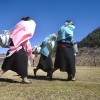
Human Right to Water and Sanitation Remains a Political Mirage
When the 193-member General Assembly, the U.N.'s highest policy-making body, declared water and sanitation a basic human right back in July 2010, the adoption of that divisive resolution was hailed by many as a "historic" achievement.
India Drowning in Waste, Experts Warn
Almitra Patel, a civil engineer by qualification, says she was first alerted to India’s huge problem of inadequate waste disposal when she noticed that the frogs in the marshlands near her farmhouse, on the city’s outskirts, had stopped croaking.
Climate Change and Poverty, a Deadly Cocktail for Dominicans
"Nobody mourns the poor, you know." That is the grim conclusion of a resident of La Ciénaga, one of the many poverty-stricken settlements clustered along the banks of the Ozama River in the Dominican capital, and which are at the mercy of the weather.
Cultivating Toxic Crops
At a time when spiraling input costs and perennial shortages of irrigation water are breaking countless farmers’ backs, a small village community on the outskirts of Lahore appears to have been spared.
U.N. Urged to Take Lead in Aiding Cholera-Stricken Haiti
U.S. legislators are appealing to the United Nations to take a greater role in addressing Haiti's cholera outbreak, now in its third year and which has has left thousands dead.Guyana’s Gold Boom Brings Pollution and Conflict
Pedro Melville, 62, a father of nine from Guyana's northwestern gold and manganese mining district of Matthew’s Ridge, sees the impacts of unchecked prospecting on the local environment every day.
Malnutrition Implicated in Child Killer Epidemic
Health experts are blaming high malnutrition levels for an outbreak of hand, foot and mouth disease (HFMD) that has killed more than 54 children in impoverished Cambodia since April.
Impure Flows the Ganga
Every year Yogesh Mudgal treks miles through the mountainous roads of the Indian Himalayas during the holy Hindu month of Shravan, in July.
Waste Not, Want Not – Providing for South Africa’s Food Security
As South Africa grapples with reducing its sanitation backlog, scientists seem to have found a way to reduce the build up while simultaneously combatting the country’s food insecurity. The solution? Safely using human waste as fertiliser.
Water and Slums Bright Spots in MDGs
An annual report card on the ambitious U.N.-led initiative known as the Millennium Development Goals (MDGs) says that in three areas - poverty, slums and water – the goals have been met ahead of the 2015 deadline, but persistent gaps remain, notably in the critical area of maternal health.
RIO+20: Promised Green Economy Was a Fake, Say Activists
When the Rio+20 summit on sustainable development ended Friday, there were winners and losers – mostly losers.
‘It Should be Named Planet Ocean, Not Planet Earth’
Oceans, seas and coasts provide over 200 million jobs globally, while 4.3 billion people get 15 percent of their intake of animal protein from the seas. Travel and tourism, ports and energy production use oceans and seas to create jobs and economic and social benefits for millions of people.
In One Haitian Camp, Life Offers Hardship and Little Hope
In the remote, dusty and barren area of northern Port-au-Prince, Cannon Camp houses nearly 6,000 displaced Haitians in tiny and cramped spaces. Nestled among the smattering of tents is the home of a 50-something-year-old mother of 12.
Refugees in South Sudan Facing “Full-blown Humanitarian Crisis”
Within the next nine days, drinking water at refugee camps in South Sudan's Upper Nile state will run dry, warned the aid agency Doctors Without Borders on Tuesday. Meanwhile, refugees continue to stream into the state, as the few camps set up to house to entrants are stretched even further beyond capacity.
Rio Outcome Bleak With No New Funding*
Amidst recrimination, anger and charges of “strong arm tactics”, negotiators eventually endorsed a global plan of action for sustainable development following marathon sessions lasting over six weary days.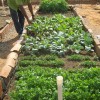
Cilantro Spices Up Coexistence with Drought in Brazil
Many grow lettuce, tomatoes, carrots, beets and other vegetables. But cilantro is ever-present in the gardens that are helping rural families weather the lengthy drought that is once again wracking Brazil’s impoverished Northeast.« Previous Page — Next Page »


The Week with IPS

NEXT STOP - SDGs
Tracking global progress towards a sustainable world
Tracking global progress towards a sustainable world
