Languages
Friday, October 23, 2026



News and Views from the Global South
Women's Health
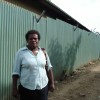
Sorcery-Related Violence on the Rise in Papua New Guinea
An increase in sorcery-related violence and fatalities over the last decade in Papua New Guinea is generating awareness about the lack of development, economic opportunities, inequality and under-resourced health services in rural areas.
Put Food Crisis on G8’s Plate, Group Urges
Days before the annual White House Easter Egg Roll, anti- poverty advocates staged their own egg hunt in Lafayette Park to urge President Obama to "find political will to end global hunger" during the upcoming G8 Summit at Camp David.
Guatemala – Regional Leader in Teen Pregnancies
Teenage pregnancies are on the rise in Guatemala, along with the drop-out rate in schools, family breakdown and many other related social ills.Afghan Women Victims Not Perpetrators of ‘Moral Crimes’
Mursal, a beautiful 19-year-old girl who has run away from home to escape a mentally ill husband, is just one of many Afghan women and girls who are now considered criminals under the country’s laws on ‘morality.’
Women Pay for Kashmir’s Water Woes
Naseema Akhtar, 38, worries that her daily treks to collect clean water from the mountain springs around her village of Bonpora, in Kashmir’s Kupwara district, are getting longer. She is already doing more than seven km every day.ARGENTINA: Lack of Information Raises Risk of Cervical Cancer
A novel research study in Argentina explored women's knowledge and beliefs about cervical cancer, in the provinces with the highest mortality from this highly preventable form of cancer, to design more effective policies.
Saving Mothers’ Lives One Midwife at a Time in South Sudan
Martha Borete Angela’s gaze sinks to the ground as she admits neither of her two children was delivered by a midwife or doctor. The 28-year-old South Sudanese woman shared this fact in front of her classmates: first-year students in a programme for midwives at the Catholic Health Training Institute in Wau, a city in the western part of the country.
Africa’s Political Instability Hinders Maternal Health Progress
Political instability, civil strife and humanitarian crises in Africa have over the past decades reversed countless maternal health development gains on the continent, health experts warn.
Q&A: Cultural Sensitivity Key to Reaching Rural Women
Empowering rural women in the Iraqi marshlands, who mostly remain off the radar of international support, must involve local languages and dialects as well as local women trainers, says Mishkat Al Moumin, founder of the Iraqi group Women and the Environment Network (WATEO).
Q&A: Group Founded by Rape Survivors Lifts Up Haitian Women
In Haitian refugee camps, women are still crammed under plastic or cloth tarps that provide no security and quickly become overheated by the sun. Sexual abuse, harassment, assault and rape run rampant, even as political responses to these dangers have stalled. But KOFAVIV, a women's organisation founded by and for rape survivors, offers a glimmer of hope.
Acid Survivors Fight Back: A Story of Hope Amidst Despair
When the Oscar-nominated film "Saving Face" won an Academy Award in Hollywood for Best Documentary (Short Subject), it was the triumph of several "firsts": the first time ever that a Pakistani filmmaker had won an Oscar; Pakistan's first Oscar winner was a woman; and it was the first time that an American and a Pakistani had co-directed an Oscar-winning film.Little Money to Promote Gender Equality in Eastern Europe
Despite pushes from international bodies such as the United Nations (UN) or the European Union (EU) to promote gender equality in Central and Eastern Europe, access to funding for such initiatives remains largely conditional upon national governments’ willingness to embrace this agenda.Argentine Women Refused Legal Abortions in Cases of Rape
For over 90 years, a law in Argentina has allowed women who become pregnant as a result of rape to have an abortion. However, hospitals often refuse to carry out the procedure, instead referring the women to the justice system.Argentine Women Refused Legal Abortions in Cases of Rape
For over 90 years, a law in Argentina has allowed women who become pregnant as a result of rape to have an abortion. However, hospitals often refuse to carry out the procedure, instead referring the women to the justice system.India’s Girl Child Struggles to Survive
At the intensive care unit of the state-run All India Institute of Medical Sciences (AIIMS) hospital in New Delhi, a two-year-old battered baby girl is fighting to survive.
India’s Girl Child Struggles to Survive
At the intensive care unit of the state-run All India Institute of Medical Sciences (AIIMS) hospital in New Delhi, a two-year-old battered baby girl is fighting to survive.Argentina Losing Regional Leadership Position in Health
In Latin America, Argentina spends the most on healthcare. It has a vast infrastructure, highly qualified health professionals and the necessary material resources. But other countries in the region are achieving better and faster health outcomes with fewer resources.
GHANA: Father’s Fight to Save Daughter from Genital Mutilation
When Jack Sabadgou left Ghana for Switzerland 10 years ago, he left his infant daughter behind to be raised by her mother. Now he wants his child back, and he is running out of time in a bid to save her from the banned traditional practice of female genital mutilation.
Q&A: How to Reverse the “Feminisation of Poverty”
The phrase "financing for gender equality" may sound dry, but it lies at the heart of some of the most intractable problems faced by women around the world today – and whether the political will exists to allocate real resources to solving them or simply pay lip service.
Global Gender Imbalance Poses Critical Problems for Women
In 2005, there were 163 million more men in Asia, more than the entire female population of the United States. Asia is now facing serious consequences from sex selection, a situation the West might have inadvertently helped create.INDIA: No Help for Kashmir’s Female Drug Addicts
Drug abuse, known to be widespread among youth in India’s northern Kashmir state, is now showing a new trend whereby teenage girls and women are increasingly turning into substance abusers and addicts.« Previous Page — Next Page »





Worldwide, women’s health is a serious issue. The result of a wide diversity of factors, most notably insufficient access to education, women’s health issues must be addressed. Without access to proper schooling, many girls grow up without the necessary understanding of reproductive health. Due to this, reproductive issues and sexually transmitted infections plague women in developing countries. Women struggle to battle infections such as HIV. The lack of relevant services, coupled with the lack of women’s rights pertaining to their own health, are some of the serious issues that these stories seek to explain.

The Week with IPS

NEXT STOP - SDGs
Tracking global progress towards a sustainable world
Tracking global progress towards a sustainable world
