Languages
Wednesday, November 25, 2026



News and Views from the Global South
Headlines
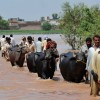
Climate Negotiators Discussing Warming and Migration Links
Stirred by the exodus of hundreds of thousands of refugees from Syria, where global warming exacerbated a drought that fueled warfare, links between climate change and human displacement have finally been thrust into news reports and political debates.
Peruvian Women Install Solar Panels and Light Up their Communities
Five women from Candarave Province, located in Tacna (Peru), travelled to India to be trained and to learn how to install solar panels. The training has enabled 272 families to have electricity and improve their quality of life.
Permeable Dams Prevent Land Loss and Save Mangroves in Suriname
Suriname’s coastline is eroding so quickly scientists predict the country’s maze of mangroves could disappear in just 30 years unless there is urgent action on climate change.
Opinion: Retirement Unlikely Option for Most People
Pensionable retirement ages and government pension programs have been established for men and women in countries around the world. Nevertheless, retirement remains an unlikely option for most people.
Women Leaders agree COP21 Must Have “Gender-Responsive” Deal.
53-year old Aleta Baun of Indonesia’s West Timor province is a proud climate warrior. From 1995 to 2005 she successfully led a citizens’ movement to shut down 4 large marble mining companies that polluted and damaged the ecosystem of a mountain her community considered sacred. After their closure in 2006, she became a conservationist and restored 15 hectares of degraded mountain land, reviving dozens of dried springs and resettling 6,000 people who were displaced by the mining.
Solar Power Fuels Hope on Neglected Lagos island
For the first time in his 30 years on Sagbo Kodji Island, near Lagos, Friday Onos has electricity at home, thanks to a solar power project that could transform the lives of the island’s 80,000 inhabitants.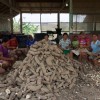
Soy, an Exotic Fruit in Brazil’s Amazon Jungle
In the northern Brazilian state of Pará, the construction of a port terminal for shipping soy out of the Amazon region has displaced thousands of small farmers from their land, which is now dedicated to monoculture.
Draft in Hand, Ministers in Paris Enter Last Week of Climate Talks
Whatever effort there was made during the past four years to create a global legal architecture to combat climate change, its legacy will be defined in the forthcoming days.
Pakistan Moves to Stop Biodiversity Loss
Pakistan has framed a biodiversity conservation and protection plan aimed at stemming biodiversity loss, restoring ecosystems and promoting sustainable use of natural resources for the wellbeing of the present and the future generations.Climate Talks in Final Phase With No Resolution on Funding
As the Paris climate talks move to its conclusion Friday, civil society groups are expressing serious concerns about the continued deadlock on a proposed package for funding amounting to about 100 billion dollars a year by 2020.Africa Hangs its Agricultural Transformation Agenda on COP 21’s Outcome
A famous saying goes: To whom much is given, much is expected. This is the message that the African Development Bank (AfDB) is carrying and delivering for, and on behalf of Africa at the global conference on climate change, COP21, which opened Monday, 30th November.
Solar Kiosks Help Light up Rural Kenya
This market centre in the arid Lake Magadi region, Kajiado of Southern Kenya is with no grid electricity. The area is inhabited by the pastoralist Maasai community. With climate change affecting their pastoral way of life, the community is increasingly adopting a more sedentary life but without amenities.
Making the Case for Caribbean Fishers at Paris Climate Conference
Horace Walters has made the 6,903km journey from his native St. Lucia to Paris to deliver a simple, yet urgent message to the international community.
Antigua: Surrounded by Sea but Catchments are Empty
Antiguan Veronica Yearwood no longer panics when she hears that the rainfall forecast for the tiny Caribbean island is again lower than average rainfall.
Vertical Farming – Agriculture of the Future
Infrared thermometer in hand, Nelson Pérez checks the water temperature in the trays where dozens of small lettuce plants are growing in a nutrient-rich liquid in this vertical farm in Panama.
Climate Change and Floods, the Uninvited Guests of Guyana
Mrs Doodnauth is being interviewed about the fact that the effects of climate change are what led the family to abandon their home and farmlands in the Mahaica Creek and relocate to an area identified by the authorities. She was clear climate change was not the reason.- “And what’s the reason?”
Nicaragua: “Only Way to 1.5 – 2 Degrees is out of Top 10 Emitters”
On the first day of the 2015 Climate Conference, Nicaragua became the first country openly refusing to comply with the United Nations mandate to submit a climate pledge.
Middle East Part II – 99.5 Years of (Imposed) Solitude
One hundred years ago, on 6 May 1916, two men, Briton Sir Mark Sykes and French diplomat François Georges-Picot, were entrusted by their respective governments with a rather exceptional task.
Climate Change Will Increase Damage, Losses in Coastal Communities
Residents of Rocky Point, a sleepy fishing village on Jamaica’s south coast, woke up one July morning this year to flooded streets and yards. The sea had washed some 200 metres inland, flooding drains and leaving knee-deep water on the streets and inside people’s home, a result of high tides and windy conditions.Climate Summit May be Heading for a Showdown Over Financing
The two-week long Paris summit, which is expected to adopt a landmark international treaty on climate change by mid-December, may be heading for a political showdown over one of the most controversial issues at the ongoing talks: financing.
Blackmail Politics Is the Name of the Game in Brazil
The aim to impeach President Dilma Rousseff is no longer merely a threat that was poisoning politics in Brazil. Now it may be a traumatic battle, but in the light of day.« Previous Page — Next Page »


