Languages
Saturday, November 21, 2026



News and Views from the Global South
Africa
SWAZILAND: No Fees No School
The future education of Swazi children remains uncertain, as public schools across the country have not reopened for the new term because government has not been able to pay for their upkeep.
ZAMBIA: Social Media to Monitor Elections
When Zambians go the polls on Sep. 20 they will have the most effective team of observers monitoring the electoral process – themselves. Citizens, through social media, will be able to report offences and irregularities during and before the general elections.
Namibia Wants to Conclude Talks and Sign EPAs
European Trade Commissioner Karel de Gucht made a pit-stop in Windhoek to appease concerns over a troublesome economic partnership agreement (EPA) ahead of the Africa-European Union summit in South Africa.
BRAZIL: African Refugees in the Amazon
Wilson Nicolas, from the Democratic Republic of Congo (DRC), was the first African refugee to find his way to Brazil's Amazon jungle region, and seems to have started a trend.
Developing Countries’ Designs for the Green Climate Fund
With its coffers largely dry and its management being contested, the Green Climate Fund (GCF) remains a hot topic among African civil society. Ahead of the upcoming international climate change meeting in South Africa, African ministers have already met to set their agenda and civil society is looking to do the same.
COTE D’IVOIRE: Suspended Exports Dent Scrap Metal Dealers’ Prospects
Between now and 2012, the Côte d'Ivoire government plans to establish a scrap metal processing industry that will supply finished products to domestic and regional markets. It is unwelcome news for the country's existing scrap dealers.
Q&A: Africa Keen to Ensure Kyoto Protocol Survives
Durban should not be the burial ground for the Kyoto Protocol, says Kumi Naidoo, Executive Director of Greenpeace International, about his expectations from the 17th United Nations Framework Convention on Climate Change happening in his hometown in South Africa later this year.
SIERRA LEONE: Child Rights Exist Only on Paper
The six-year-old girl pulls her T-shirt up to show the dozens of pale lines across her back. They are fresh scars from the lashing she received from her caregiver after she lost 500 Leones, the equivalent of about 10 cents.
East Africa Wants to Trade Beyond the EU
The East African Community (EAC) and European Union head back to negotiations on Monday to resolve the controversy over the delay in signing an economic partnership agreement between the two trading blocs.
TRADE: Southern Africa Has its Work Cut Out
Southern Africa has moved forward with regional economic integration, but challenges remain, say trade experts.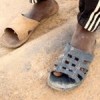
Libyan Rebels Hound Black Refugees
The Libyan revolution has been devastating for 20-year-old Alybe Nally from Nigeria, as it has been for countless others from Africa seen by the rebels as Gaddafi loyalists. "When the rebels took over Tripoli two weeks ago they took my money, my mobile, my passport...All I have is what you see now," he says, pointing to his mismatched pair of sandals.
TRADE: Africa Still the Odd One Out
While globally trade agreements are more and more about linking production chains between countries and continents, Africa remains locked in a struggle to overcome the colonial legacy of fragmentation, trade experts say.
AFRICA: Slow Progress in Reducing Maternal Mortality
Agnes Kalunda’s doctor feared that because of her slight frame there was a high chance of her developing complications during delivery.
SOMALIA: Armed Militia Grab the Famine Business
Armed groups are withholding aid and preventing Somali famine refugees from leaving camps to ensure the continued supply of food by aid agencies that they are presently selling on the open market.COTE D’IVOIRE: Toxic Waste Victims Wait Years for Compensation
Thousands of victims affected by toxic waste dumping in 2006 in Abidjan, Côte d'Ivoire's commercial capital, still have not received the economic compensation they were promised.
SOMALIA: Food Aid Stolen From Famine Victims
Masses of food meant for famine victims in Somalia are being stolen, an investigation has revealed.
NIGERIA: Lax Security Reason for U.N. Bombing
Security experts say that unless something is done to regulate the high level of illicit transactions and proliferation of commercial explosives in Nigeria, scenes like the United Nations suicide bombing will become more frequent.
MALAWI: Government Becomes a One-Man Show
For the last two weeks, Malawi’s president has been running the country’s 22 ministries on his own after firing his entire cabinet. But political and economic analysts say that his delay in appointing a new cabinet is detrimental to the country’s development. Some analysts say government has come to a standstill because of this, while others say the situation shows that the president has lost control.
Q&A: “Former Genocidaires Still Wandering Free”
The year 1994 was marked by blood. Between April and June, more than 800,000 Rwandans were killed in 100 days, in a terrible genocide that followed the assassination of Rwandan President Juvenal Habyarimana and the explosion of racial tensions between the country's two major ethnic groups, the Hutus and the Tutsis.
SOUTH AFRICA: While Politicians Deliberate Climate Change, Others Adapt
While many scientists, academics and politicians still theorise about ways to adapt to climate change, a South African civil society organisation has launched a hands-on project that mobilises communities to take easy steps to reduce carbon emissions.
TRADE: Free Trade in Africa, For Better or Worse?
It is not certain that an African free trade area will further regional integration or deepen the existing inequality between countries.« Previous Page — Next Page » *#*

The Week with IPS

NEXT STOP - SDGs
Tracking global progress towards a sustainable world
Tracking global progress towards a sustainable world
