
Saturday, November 21, 2026



News and Views from the Global South
Climate Change
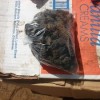
Zimbabwe’s Mopani Worms Disappearing from Rural Diets
Job Mthombeni loves traditional food. One of his favourite culinary delights is Mopani worms, referred to locally as amacimbi, which means caterpillar in Ndebele. At an early age he understood the nutritional value of the worm, which is found in his rural hometown of Plumtree, in southwestern Zimbabwe.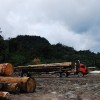
Treat Illegal Logging Like Organised Crime, Urges World Bank
With illegal loggers clearing the equivalent of a football field of the world's most valuable forests every two seconds, local and international law enforcement systems should target the criminal operations that profit most from the trade, according to a new report released here Tuesday by the World Bank.
Caribbean Farmers and Fishermen Feel Pains of Climate Change
James Nicholas has always made a living off the sea. A fisherman in the tri-island state of Grenada, Carriacou and Petite Martinique, he recalls the profitable business of selling his daily catch to residents and restaurants on the island and even exporting fish to luxury hotels in neighbouring ones.
World Water Forums Expose Large Dams as ‘Unsustainable’
Numerous non-governmental organisations used the World Water Forum (WWF) held in Marseille last week as an opportunity to remind the international community about the serious global impacts of large dams all over the world.
Caribbean Mobilises Funds for Ten-Year Climate Plan
Failure to adapt to climate change will derail the development aspirations of the 15-member Caribbean Community (Caricom), researchers warn, siphoning off an average of five percent of 2004 gross domestic product regionwide by 2025.
Q&A: Expo 2012 to Focus on Protecting World’s Marine Resources
The United Nations, which is hosting a major international summit on the global environment in Brazil in late June, points out that while the world's oceans account for 70 percent of the earth's surface, only one percent of this area is protected.
‘Green Morocco Plan’ Fails to Confront Climate Change
An unprecedented cold spell that struck Morocco in February and continues to linger well into March has raised serious questions about the country's national agricultural development programme, which will fail to achieve its desired results if climate change continues to be mismanaged.
World Wind Power Climbs to New Record In 2011
Wind energy developers installed a record 41,000 megawatts of electricity-generating capacity in 2011, bringing the world total to 238,000 megawatts.
Anguilla Battles a Shrinking Coastline
When Hurricane Luis, a category four storm, lashed the tiny Caribbean island of Anguilla on Sep. 4, 1995, its forceful waves eroded all of the beaches, leaving vast areas of the shoreline carpeted with dead sea grass and debris torn from the coral reefs.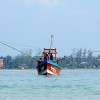
Gales, Cyclones Follow the Tsunami
The gentle waves of Weligama bay that lap at the small, tight-knit fishing village of Kaparratota, 140 km south of Colombo, can be deceptive.
Central America Looks to Sustainable Development
Central America, a narrow tropical isthmus flanked by the Pacific Ocean and the Caribbean Sea, suffered 259 extreme weather-related events between 1930 and 2009, while the cumulative effects of innumerable smaller-scale events have not even been recorded.
Rio+20 Summit: A Moment That Must Be Seized
The upcoming Rio+20 conference has to be the moment in human history when the nations of the world come together to find ways to ensure the very survival of humanity, many science and environmental experts believe.
Caribbean Looks Ahead to Stave Off Fresh Water Scarcity
Two years after a severe drought wreaked havoc with a number of Caribbean countries, some are now adopting new strategies in a bid to prevent a repeat of a situation where countries were rationing water and imposing strict restrictions on residents.
PHILIPPINES: Women Weather Climate Change
As the world commemorates International Women’s Day today, women around the globe are speaking out on various issues that affect them. In light of recent natural disasters and calamities in the Philippines, women are increasingly citing climate change as one of their most pressing concerns.
Green Economy Seeks to Maintain Growth Threatened by Disasters
There is every indication that major disasters could be the new midwives of history. Seeking to prevent them, the green economy aims to reduce "environmental risks" and "ecological scarcities" while improving human well-being and social equity.
Mesoamerican Coral Reef on the Way to Becoming a Marine Desert
Scientific studies show that global warming is causing irreversible damage to the Mesoamerican Barrier Reef System, the world’s second largest coral reef, yet efforts to protect this biologically and economically vital ecosystem remain insufficient.
Green Economy Seeks to Maintain Growth Threatened by Disasters
There is every indication that major disasters could be the new midwives of history. Seeking to prevent them, the green economy aims to reduce "environmental risks" and "ecological scarcities" while improving human well-being and social equity.
Mesoamerican Coral Reef on the Way to Becoming a Marine Desert
Scientific studies show that global warming is causing irreversible damage to the Mesoamerican Barrier Reef System, the world’s second largest coral reef, yet efforts to protect this biologically and economically vital ecosystem remain insufficient.
KENYA: Microloans, Greenhouses Help Women Cope with Climate Change
At Gakoromone Market in Meru, in Kenya’s Eastern Province, Ruth Muriuki arrives in a pickup full of tomatoes and cabbages despite the scarcity of rainfall in the area, thanks to the greenhouse technology she uses on her farm – and microcredit.
Q&A: Needed: Common Caribbean Strategies Against Climate Change
Subject to the double impact of the global economic crisis and climate change, the Caribbean island nations are in need of adaptation strategies in which international cooperation and citizen participation play key roles, says Cuban expert Ramón Pichs.
ZIMBABWE: Farmers Tackle Water Problems Fuelled by Climate Change
Beauty Moyo’s desire for access to water has finally been met. The rains that fell in the past week after a long dry patch have awakened this small-holder farmer deep in rural Plumtree, Zimbabwe on the border with Botswana to the reality of sparse rainfall, climate change and how she and her fellow villagers can respond.« Previous Page — Next Page »


As unsustainable human consumption and production systems are driving changes in average temperatures and weather patterns, "abnormal" is increasingly becoming the norm. So far, a lack of financing has been standing in the way of a comprehensive global plan for climate adaptation, and a global financial crisis has contributed to an increasing reliance on public-private partnerships. Our Climate Change page provides you with the latest news about international and local efforts to address what's frequently been called "the challenge of our time", the forces behind the climate change and the impact it has on the world's most vulnerable populations. Along the way, we bring you stories on growing citizen awareness, new scientific data, and emerging climate policies towards sustainable development.

The Week with IPS

Tracking global progress towards a sustainable world

