
Saturday, November 21, 2026



News and Views from the Global South
Climate Change
Will Climate Refugees Get Promised Aid?
With extreme weather pounding countries across a wide arc in the Asia-Pacific region, questions hover over entitlements for millions of people displaced by climate change, pledged under the Green Climate Fund (GCF) and other sources.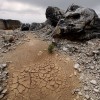
OP-ED: Where Economic and Environmental Prosperity Meet
One of the lesser-known catalysts of the 2011 Arab Spring uprisings was a global grain crop failure in 2010, caused by drought and flooding that year from Russia to Canada.
Kittitians See Ominous Signs of Climate Change
It is mid-morning and the temperature has already soared to 80 degrees Fahrenheit.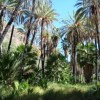
Mexican Oases in Urgent Need of Protection
Mexico’s oases encompass significant environmental, cultural, social and economic wealth that must be properly assessed and preserved, warn experts.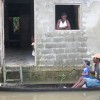
Extreme Weather is the New Normal
Extreme weather is fast becoming the new normal. Canada and much of the United States experienced summer temperatures during winter this year, confirming the findings of a new report on extreme weather.
Q&A: “We Need to Change the Economics of Development”
After Latin America and the Caribbean's "lost decade" of the 1980s, the region has experienced a period of "light and shadow", says Alicia Bárcena, executive secretary of the U.N. Economic Commission for Latin America and the Caribbean (ECLAC).
Payments for Environmental Services Skip Rural Women in Mexico
Despite the key role they play in caring for natural resources in the face of climate change, rural women in Mexico do not benefit from payments for environmental services, say activists and experts.
Amid Global Uncertainties, Barbados Plots a Greener Future
When it comes to developing a "green economy", Barbados is leading its English-speaking Caribbean neighbours.
Jamaica to Galvanise Public on Climate Adaptation
A public awareness project that aims to foster wider understanding among locals about the linkages between the global climate and their social and economic wellbeing is Jamaica's newest adaptation strategy.
Chad Famine – Mothers Breaking Apart Anthills in Search of Food
"Only God knows what will happen to me and my children - for two months there's been nothing to eat. We're living like beggars," Henriette Sanglar, a mother of four in the Moursal quarter of the Chadian capital, N'Djamena, told IPS.Scientists Claim Their Place in Struggle for Food Security
Weather events such as extreme temperatures and drought caused global agricultural losses of 11.4 billion dollars in 2011, while 12 million hectares of farmland are lost to land degradation every year, and unsustainable agricultural practices contribute to the emission of greenhouse gases.
Petrol Guzzlers Send Venezuela’s Carbon Emissions Soaring
China may be the country that emits the most carbon dioxide (CO2), but oil-rich Venezuela and some of its Caribbean neighbours produce more of this greenhouse gas responsible for global warming on a per capita basis.
Rio+ 20 Suffers Leadership Void Weeks Ahead of Summit
When a landmark U.N conference on sustainable development kicks off in Brazil mid-June, more than 120 world leaders are expected to participate in the much-ballyhooed talkfest on the future of the global environment.
More Ecology, Less Economy for Rio+20
Hundreds of non-governmental organisations and social movements from around the world hope to counter the failure of the United Nations Conference on Sustainable Development (Rio+20), which they consider inevitable, with the success of the alternative People’s Summit.Climate Change Threatens the Poor in Cities
India, like other Asian countries, has focused its climate change adaptation strategies on rural and urban areas while neglecting the urban fringes, say experts.
World Congress Hopes to Enforce Commitments Made at Rio+20
World leaders may face an unexpected challenge come June, when a major global summit on sustainable development will be held in Brazil. Unlike during previous summits, these leaders might have trouble making promises they are unable to keep.
Soaring Energy Prices Push Anguilla Toward Renewables
The 15,000 residents of this British Overseas Territory had always prided themselves on having perhaps the most reliable and efficient source of electricity in the Caribbean.
Jamaica’s Food Security Hinges on Shaky Agricultural Fortunes
Like its Caribbean neighbours, Jamaica is looking for outcomes that will address its food security challenges when world leaders meet in Rio de Janeiro for the United Nations Conference on Sustainable Development Jun. 20 to 22.
Development Deficit Compounds Indian Sundarbans Crisis
Sahara Bibi, a 47-year-old poor Muslim woman living on one of the climate- impacted islands of Eastern India’s fragile Sundarbans archipelago in West Bengal state, was forced to pull her two young sons out of school and send one of them to the Southern state of Kerala to earn a decent income.
Dominica Seeks Millions for Climate Change Strategy
Dominica presented its "2012-2020 Low Carbon Climate Resilient Development Strategy" to donors including the World Bank on Wednesday in a bid to gain wider access to funding and position itself as a regional leader in renewable energy.
Tourism Woes Replace Terrorism in Kashmir
As separatist militancy peters out in Kashmir, the valley is beset by armies of tourists who bring in the dollars but devastate the fragile ecology of ‘Asia’s Switzerland’.« Previous Page — Next Page »


As unsustainable human consumption and production systems are driving changes in average temperatures and weather patterns, "abnormal" is increasingly becoming the norm. So far, a lack of financing has been standing in the way of a comprehensive global plan for climate adaptation, and a global financial crisis has contributed to an increasing reliance on public-private partnerships. Our Climate Change page provides you with the latest news about international and local efforts to address what's frequently been called "the challenge of our time", the forces behind the climate change and the impact it has on the world's most vulnerable populations. Along the way, we bring you stories on growing citizen awareness, new scientific data, and emerging climate policies towards sustainable development.

The Week with IPS

Tracking global progress towards a sustainable world

