
Saturday, November 21, 2026



News and Views from the Global South
Climate Change
Climate Solutions Need Strong Decision-Making
The year 2010 endured 950 natural disasters, 90 percent of which were weather-related and cost the global community well over 130 billion dollars.
Green Tech Innovation Takes Root in Mexico
Environmental innovation is gaining ground in the academic, private and government sectors in Mexico, with the creation of research and development centres for local good practices and incubators for green production initiatives.
SOUTH KOREA: Preventing Desertification Better Than Cure
"Humanity is the only desert-making species and we’ve been degrading usable land at one percent per year," says Luc Gnacadja, executive secretary of United Nations Convention to Combat Desertification (UNCCD).
Women in Rural Argentina Speak Out on Climate Change
Rural and indigenous women in northern Argentina, hit hard by the expanding agricultural frontier, deforestation and the spraying of toxic pesticides, spoke out about their problems and set forth proposals for discussion at the next global summit on climate change.Biofuels, Speculators Driving Food Price Surges
A new report on global hunger pinpoints factors at the heart of spikes in food prices it says are exacerbating the unfolding food crisis in the Horn of Africa.
Persistent La Niña Is Back Again
La Niña is back less than three months after the end of its last appearance, a particularly strong event that contributed to driving up global food prices.MEXICO: Efficient Transport Needed for a Cleaner Environment
Policies for higher fuel efficiency in vehicles could contribute to reducing the carbon footprint of transportation, which is responsible for 23 percent of the greenhouse gas emissions that cause climate change, according to experts at a meeting in the Mexican capital.World Will Pay Dearly If It Fails to Combat Land Degradation
Land degradation threatens populations and their livelihoods, driving food insecurity and decreasing productivity. Yet no comprehensive action has been taken to address this issue, and if none is taken now, degradation and all of its serious implications for the future will skyrocket, says a new study.
Q&A: “The Future of Brazil is the Natural Knowledge Economy”
Brazil could play a leading role in a new global agenda for sustainable development and become an "environmental power", says Carlos Nobre, one of the world’s foremost climate change experts.
U.S.: Solar Homes Offer New Hope for Renewable Energy
As a light drizzle fell Saturday, U.S. Energy Secretary Steven Chu pointed to solar houses constructed by students on the National Mall park in Washington as evidence that the U.S can compete internationally in the renewable energy market to create jobs and win "the war against climate change".
Q&A: Environmental Awareness Through Imagery
Through photo and film, French photojournalist Yann Arthus-Bertrand aims to demonstrate the environmental impacts of human activity and to raise public awareness about environmental issues.
MEXICO: Women Left Out of U.N. Forest Plan
Despite the growing participation of women in forestry projects in Mexico, the national strategy for the United Nations-led REDD+ forest plan in this country lacks a gender focus.
Rising Seas Gnawing at West Africa’s Coastline
Sea levels on the coasts of Côte d'Ivoire and other West African countries have risen again this year, devastating houses and other infrastructure. The search for effective solutions is lagging behind accelerating coastal erosion.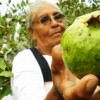
Salvadoran Campesinas Go Organic
The guavas grown by Mariana Rosales are big and bright green, and the best thing about them, she says proudly, is that she does not spend a single cent on fertilisers to produce them – something extremely rare in a country like El Salvador.LATIN AMERICA: Murky Waters
More than 20 percent of the population of Latin America and the Caribbean lacks basic sanitation and 15 percent has no access to drinking water because of poor management, said experts at a meeting that ended Thursday in Brazil.
TRADE: Climate Change Will Impede North-South Trade
Climate change is increasingly playing a role in North-South trade, as carbon emissions are being used as an excuse to protect markets, with poorer countries likely to lose out.ENVIRONMENT: Youth Share Best Practices at Tunza
Participants at the ‘Tunza International Children and Youth Conference’ underway in this Indonesian city shared best practices and ideas with fellow delegates on Wednesday, hoping they would get replicated.
Q&A: Big Polluters Should “Stay Home” from Climate Conference
In order for global climate change policies and efforts to progress, intense local activism and countries most adversely affected by climate change must play a leading role.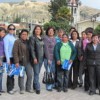
PERU: Councilwomen Fight Climate Change in Land of Melting Glaciers
Some symbolic acts are powerful reflections of a broader struggle. In March some 300 women planted trees in the Santa River basin in northwest Peru to demonstrate their determination to preserve the environment and help adapt to climate change.
Q&A: Change the System to Save the Planet
To save the planet from climate change and the loss of biodiversity, we must leave capitalism behind and seek out a less consumerist, more socially just system, insists French environmental journalist Hervé Kempf.
INDIA: Facing Climate Change With Flower Power
Gazalla Amin’s office on the outskirts of this city, capital of Jammu & Kashmir state, is redolent with the fragrance of lavender wafting up from heaps of the dried flowers in a corner bowl.« Previous Page — Next Page »


As unsustainable human consumption and production systems are driving changes in average temperatures and weather patterns, "abnormal" is increasingly becoming the norm. So far, a lack of financing has been standing in the way of a comprehensive global plan for climate adaptation, and a global financial crisis has contributed to an increasing reliance on public-private partnerships. Our Climate Change page provides you with the latest news about international and local efforts to address what's frequently been called "the challenge of our time", the forces behind the climate change and the impact it has on the world's most vulnerable populations. Along the way, we bring you stories on growing citizen awareness, new scientific data, and emerging climate policies towards sustainable development.

The Week with IPS

Tracking global progress towards a sustainable world

