
Sunday, October 11, 2026



News and Views from the Global South
Climate Change
Communities vs. Datacentres
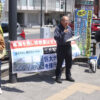
Few things unite Donald Trump’s most ardent supporters with the Democratic Party’s progressive wing, but datacentres are one of them. Across the USA, communities are joining forces across the political divide to oppose developments few want but governments seem determined to impose.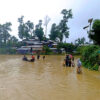
Where did the Billion Dollar Funding for Rohingya Refugees Go?
Landslides and flooding triggered by heavy monsoon rains swept through the world’s most densely populated concentration of refugee camps this week, killing at least 14 Rohingya refugees, most of them women and girls.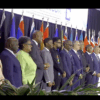
CARICOM Leaders Gather in Saint Lucia as Caribbean Confronts Mounting Global, Regional Challenges
Caribbean leaders are meeting in Saint Lucia for their annual summit, confronting a convergence of global and regional challenges ranging from rising living costs and climate change to crime, food security and geopolitical tensions.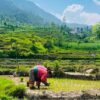
Dry Monsoon in South Asia: Looming Fears of Agricultural Loss, Extreme Heat, and Disaster
Monsoon season in South Asia, including Nepal, is a period of frequent rainfall, extreme heat, and a busy time of the year for farmers. Most farmers in Nepal depend on monsoon rain to plant paddey, the main source of food.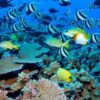
Abu Dhabi’s Coral Promise to the Future
In just the first half of this year, Abu Dhabi’s Environment Agency has cultivated 302,415 new coral colonies, bringing the total under the Abu Dhabi Coral Gardens Project to around 1.8 million – a scale of restoration that demands global attention.
Understanding an Interconnected World
When Roberto Savio begins talking about The Global Citizen Handbook, he does not begin with the book itself. He begins with today’s young people.
Middle East Conflict Fallout Pushes Countries toward US$1 Trillion Fossil Fuel Subsidy Bill, warns UN Development Programme
Developing countries’ efforts to tackle the ongoing effects of conflict in the Middle East carry a high price that leaves little room for critical investments in education, health and other development priorities, according to a new report by the UN Development Programme (UNDP) released today.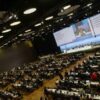
The UN Climate Talks in Bonn Just Failed. Why?
With progress stalled on many issues, this year’s June talks in Bonn—which are supposed to smooth the way towards COP 31 in Antalya at year’s end—were widely judged a failure. What happened? And what does it mean for Antalya?
My Journey Through 50 Years of Seychelles’ Independence
On the night of 29 June 1976, just before midnight, I stood among my fellow Seychellois at the heart of a moment that would change our history forever.
Universities Join Hands to Enhance Agroforestry Research for Mitigating Climate Change
A team of universities, led by Addis Ababa University, has joined forces to implement a four-year Intra-Africa academic mobility project aimed at strengthening agroforestry research and education for climate change mitigation.
War, Heatwaves and Energy Shocks Fuel Push for Clean Energy
The 30 COP gatherings may not have done what three months of US-Israeli war against Iran did: expose the world's vulnerability to fossil fuels.
In a Post-Aid World, Investing in Sustainable Livestock Farming Is an Investment in Global Stability
Smallholder farmers in Africa and Asia are likely to still be reeling from the fuel and fertilizer crisis caused by conflict in the Middle East when what forecasters expect to be a “super” El Niño arrives later this year.
Social Business – It’s Time
June 27-28 is the 16th Social Business Day, observed in Savar (Dhaka) Bangladesh. In June 2024 at the Western Sydney University’s graduation ceremony where I was conferred Emeritus Professor status, I urged the new business graduates to:- • purge the world of the… obnoxious Friedmanite idea that is destroying our planet and tearing our communities apart;
• look instead to the “Social Business Model” of Bangladesh’s Nobel Laureate Muhammad Yunus; and
• work on the right side of history; stand up for justice and liberation; spread the “moral violence” for peace; and put people and the planet before profit.

WORLD CUP: ‘FIFA Has Placed Itself on the Side of the Polluters, Not the Rest of the Planet’
CIVICUS speaks about the climate impacts of the 2026 World Cup with Frank Huisingh, founder of Fossil Free Football, a fan-led group that campaigns to end fossil fuel sponsorship in football and make the game more sustainable.
Armed Conflict, Funding Cuts and Supply Chain Pressures Deepen Global Hunger Risks
Armed conflict, economic shocks, and climate pressures are driving worsening food insecurity across many of the world's most vulnerable regions, according to the latest Hunger Hotspots report outlook for June-November 2026, jointly released by the World Food Programme (WFP) and the Food and Agriculture Organization (FAO).
Our Ocean Conference: After Mombasa – Will Africa and the World Make Ocean Promises Real?
« James Alix Michel warns that without real finance and precaution, ocean pledges risk remaining only on paper. » Now that the lights have dimmed in Mombasa and the delegations have gone home, a simple but necessary question remains: did the first Our Ocean Conference on African soil truly move the world from promises to protection? The conference was indeed the first held in Africa, under the theme “Our Ocean, Our Heritage, Our Future,” with a stated focus on culture, communities, livelihoods, marine protection, climate resilience and sustainable blue economies.
‘We Came for Action, Not Promises’: Developing Nations Voice Frustration as Bonn Talks Conclude
The United Nations June Climate Meetings (SB64) ended in Bonn with sharp disagreements between developed and developing countries over climate finance, adaptation support and emissions reductions, leaving negotiators with significant unresolved issues ahead of the COP31 climate summit in Antalya, Türkiye.
GLOBAL TAX TREATY: ‘Without Sustained Pressure from Organised Movements, the Political Space to Win Simply Doesn’t Open’
CIVICUS discusses a proposed United Nations (UN) tax treaty with Jenny Ricks, General Secretary of Fight Inequality Alliance, a global movement that organises to counter the concentration of power and wealth in the hands of a small elite.
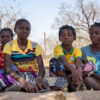
UNICEF: Overlapping Climate Hazards Threaten Children’s Quality of Life
A new report from the United Nations Children’s Fund (UNICEF) highlights the vast, overlapping climate threats affecting children worldwide, which is leaving them increasingly vulnerable to escalating risks across health, security, and education.
From Victoria to Mombasa: Will Africa’s Ocean Voice Be Heard?
Tomorrow, Africa hosts the Our Ocean Conference on its own shores for the first time, in Mombasa. This is more than a diplomatic milestone. It is a test of whether we, as Africans, are prepared to safeguard our ocean as a shared heritage and a pillar of our future prosperity.
World Cup Preparation Scores a Goal against the Environment
The construction of an elevated pedestrian bridge connecting central and southern Mexico City –one of roughly 2,000 urban works tied to the 2026 FIFA World Cup, began last October, and, with only days to go before the tournament's kickoff, remains unfinished.« Previous Page — Next Page »





As unsustainable human consumption and production systems are driving changes in average temperatures and weather patterns, "abnormal" is increasingly becoming the norm. So far, a lack of financing has been standing in the way of a comprehensive global plan for climate adaptation, and a global financial crisis has contributed to an increasing reliance on public-private partnerships. Our Climate Change page provides you with the latest news about international and local efforts to address what's frequently been called "the challenge of our time", the forces behind the climate change and the impact it has on the world's most vulnerable populations. Along the way, we bring you stories on growing citizen awareness, new scientific data, and emerging climate policies towards sustainable development.

The Week with IPS

Tracking global progress towards a sustainable world

