Languages
Wednesday, November 18, 2026



News and Views from the Global South
Crime & Justice

Teenage Girls in Argentina – Invisible Victims of Femicide
The murder of a young Argentine girl on a beach in neighbouring Uruguay shook both countries and drew attention to a kind of violence that goes almost unnoticed as a cause of death among Argentine adolescents: femicide.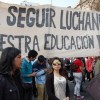
Young People in Latin America Face Stigma and Inequality
Young people in Latin America now enjoy greater access to education. But in many cases their future is dim due to the lack of opportunities and the siren call of crime in a region where 167 million people are poor, and 71 million live in extreme poverty.
Not Without Our Daughters: Lambada Women Fight Infanticide and Child Trafficking
At 11 years of age, Banawat Gangotri already has four years of work experience as a farm labourer. The child, a member of the nomadic Lambada community from the village of Bugga Thanda in India’s southern Telangana state, plucked cotton and chillies from nine a.m. until 5 p.m. for about a dollar daily.
Forced Disappearances Are Humanitarian Crisis in Mexico
The Mexican government will face close scrutiny from the United Nations Committee on Enforced Disappearances – a phenomenon that made international headlines after 43 students from a rural teachers college were killed in September in Iguala, in a case that has not yet been fully clarified.
U.S. May Soon Stand Alone Opposing Children’s Treaty
When the East African nation of Somalia, once described as a "lawless state", ratified the Convention on the Rights of the Child (CRC) early this week, it left two countries in splendid isolation from the rest of the world: South Sudan and the United States.
Prosecutor’s Death a Test for Argentine Democracy
The death of a special prosecutor investigating one of the biggest unresolved mysteries in the history of Argentina, the bombing of a Jewish community centre over 20 years ago, has put to the test an immature democracy that is caught up in a web of conspiracy theories and promiscuity between the secret services and those in power.
Fighting Extremism with Schools, Not Guns
As a wave of outrage, crossing Pakistan’s national borders, continues a month after the Dec. 16 attack on a school in the northern Khyber Pakhtunkhwa province, some citizens are turning away from collective expressions of anger, and beginning the hard work of building grassroots alternatives to terrorism and militancy.
OPINION: After the Terrorist Attacks in Paris
What happened in Paris on Jan. 7 – known all over the world – is totally unacceptable and inexcusable.
Aid Freeze Over Energy Controversy a Blow to Tanzanian Economy
As foreign donors drag their feet on injecting badly needed cash into the government’s coffers, local analysts are increasingly worried that this will affect implementation of key development projects that require donor funding.
OPINION: Cuba and the United States – A New Era?
On Dec. 17, by freeing the five Cuban anti-terrorists who spent over 16 years in U.S. prisons, President Barack Obama repaired a longstanding injustice while changing the course of history.
Battle Heats Up Over Legalisation of Sex Work in India
Thirty-six-year-old Chameli Devi, a sex worker operating out of New Delhi's G.B. Road - Asia's largest red-light district, housing an estimated 12,000 of India’s three million sex workers – is an unhappy woman these days.
U.N. Helpless as Saudi Flogging Flouts Torture Convention
Flogging a dead horse, as the old idiom goes, is far removed from flogging a live Saudi blogger.Press Looks at Future After “Charlie”
In the wake of last week’s attack on French satirical weekly Charlie Hebdo that left 12 people dead, a heated battle of opinion is being waged in France and several other countries on the issue of freedom of expression and the rights of both media and the public.
Papal Visit Rekindles Hopes in Former War Zone
Jessi Jogeswaran, a 20-year-old woman from Sri Lanka’s northern Jaffna district, waited over six hours with 18 friends in the sweltering heat just to get a glimpse of Pope Francis on Jan. 14.
Electioneering Undermines Fight Against Crime in El Salvador
The upcoming municipal and legislative elections in March and the hiring of former New York mayor Rudolph Giuliani as a kind of anti-crime tzar are not the best equation for bringing down El Salvador’s high murder rate, analysts say.
Boko Haram Insurgents Threaten Cameroon’s Educational Goals
“I’d quit my job before going to work in a place like that.” That is how a primary school teacher responded when IPS asked him why he had not accepted a job in Cameroon’s Far North region.
OPINION: Islamic Reformation, the Antidote to Terrorism
The horrific terrorist attack on the French satirical publication Charlie Hebdo has once again raised the question about violence and Islam. Why is it, some ask, that so much terrorism has been committed in the name of Islam, and why do violent jihadists seek justification of their actions in their religion?
U.N. Field Operations Deadlier Every Year
The widespread field operations of the United Nations – primarily in conflict zones in Africa, Asia and the Middle East – continue to be some of the world’s deadliest.
In Sri Lanka Cartoonists Aren’t Killed – They’re Disappeared
Scenes from the brutal shooting of 12 journalists with the French satirical weekly ‘Charlie Hebdo’ have monopolised headlines worldwide ever since two men opened fire in the magazine’s Paris office on Jan. 7.
OPINION: The Paris Killings – A Fatal Trap for Europe
It is sad to see how a continent that was one cradle of civilisation is running blindly into a trap, the trap of a holy war with Islam – and that six Muslim terrorists were sufficient to bring that about.
Bhopal Cloud Hovers Over Industrial Safety in India
Three decades after 40 tons of deadly methyl isocyanate gas leaked from the Union Carbide India Limited plant in the central Indian city of Bhopal on Dec. 3, 1984 – killing an estimated 4,000 almost instantly and maiming and blinding hundreds of thousands of others – the world's worst industrial disaster remains a sharp lesson on the need for greater safety regulations in Asia’s third-largest economy.« Previous Page — Next Page »


Issues of crime and justice are as pertinent to development as they have ever been. The struggle for abolition of the death penalty is not over, and penal reform is desperately needed in many countries around the world. From violence to religious persecution, white-collar crime to police brutality, we keep you updated with reports from around the world. IPS correspondents focus on the causes of crime, attempts to prevent it, and the process of bringing those who commit crimes to justice. We also cover the campaign against capital punishment, and for legal and prison reforms that would give prisoners the right to life, and also to justice and decency.

The Week with IPS

NEXT STOP - SDGs
Tracking global progress towards a sustainable world
Tracking global progress towards a sustainable world
