Languages
Sunday, November 15, 2026



News and Views from the Global South
Development & Aid

April Fool’s Inflation Medicine Threatens Progress
The world economy is on the brink of outright recession, according to the International Monetary Fund (IMF). The Ukraine war and sanctions have scuttled recovery from the COVID-19 pandemic.
Of the Far West, the ‘Good Cowboys’… And the ‘Bad Indians’
Nothing --or too little-- has changed since Hollywood started producing its spectacular western movies. Rough men, ranchers, mercenary killers, saloons, cowboys, guns, gold fever, the ‘good sheriff’… and the ‘bad indians”. Those movies were anything but fiction–they were real history.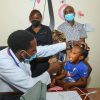
Bringing Specialist Telemedicine to Children of Rural Kenya
New telemedicine technology, Daktari Smart, aims to mitigate the gap between child patients and medical specialists in rural Kenya. Officially launched in November 2021, the system was built to help sick children have easy access to medical specialists minus the cost of being physically present (remote/digital access). According to them, this will help optimise the delivery of healthcare systems.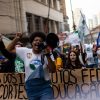
Racism Erased (and Erases) Black Intellectual Contribution to Brazilian History
The battle against racism and inequality will be a long one in Brazil, because a prejudice against the intellectual capacity of blacks is a problem rooted in the national culture, and even in the minds of Afro-Brazilians themselves, as well as highlighted in the country's official history.
‘Positive Sei’ Bringing Hope to Homes on the Airwaves
Tonga was still picking up the pieces after the Hunga volcanic eruption and tsunami waves when the pandemic reached its shores.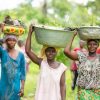
Indigenous Women at the Forefront of Transformational Change
The International Day of the World’s Indigenous Peoples, commemorated annually on August 9, is a day to celebrate the many contributions of the 476 million Indigenous peoples worldwide.
Researchers Embrace Artificial Intelligence to Tackle Banana Disease in Burundi
A group of scientists involved in finding solutions to minimize the impact of a devastating banana virus in Burundi have developed an Artificial Intelligence (AI) tool for monitoring the disease.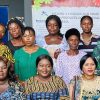
Women Play a Key Role in Food & Nutrition Security in Nigeria
In Nigeria, women play key roles in food and nutrition security through their contributions to agricultural production, their influence on how to allocate household income, and their efforts to ensure proper nutrition for all household members.
What Makes a Human Rights Success? PODCAST
 The largest ever settlement in Canadian legal history, 40 billion Canadian dollars, occurred in 2022, but it didn’t come from a court – it followed a decision by the Canadian Human Rights Tribunal. In 2016 the Tribunal affirmed a complaint that the Government of Canada’s child welfare system discriminated against First Nations children. (First Nations are one of three groups of Indigenous people in Canada).

UN Chief Urges Governments to Tax “Immoral” & Excessive” Oil and Gas Profits
The war in Ukraine continues to have a devastating impact on the people of that country. Civilians are dying in the most tragic circumstances every day. Millions of lives have been destroyed or put on hold.
Technology Helps Traffickers Hunt Their Victims, Enslave Them, Sell Their Organs
Human beings have proved to be capable of producing innumerable practical inventions while much too often making the worst use of them. Take the case, per example, of how criminal groups heavily rely on digital platforms to trap and enslave their victims also for extracting and selling their organs.
A Demographic Snapshot of the Philippines: One Step Forward, a Half Step Back
With the national election and transfer of power in the Philippines from outgoing President Duterte to incoming President Marcos Jr. in July 2022, it seems an appropriate time to briefly take stock of the country’s current demographic situation, as well as recent related developments.
Doubts Raised Over Conditions of Mexico’s Mangroves
Two extremes of coastal development can be found side-by-side in the small community of San Crisanto, in the municipality of Sinanché in Mexico’s southeastern Yucatán state.
Slow food, Accelerating Biodiversity in the Field and On Our Plates
Edward Mukiibi was forced to do agriculture at school as punishment for misbehaviour. Instead of hating the punishment, he loved it, especially when he realised farming was the future of good food, health and wealth.
Biogas Production Awaits Greater Incentives in Cuba
Standing in front of a blue flame on her stove, getting ready to brew coffee, Mayra Rojas says the biodigester built in the backyard of her home in western Cuba has become a key part of her daily life and a pillar of her family's well-being.
The Myanmar Junta Continues to Wreak Death & Destruction
Myanmar has been embroiled in violence and civil unrest since the military ousted the elected government of Aung San Suu Kyi in a coup in February 2021. The initially widespread peaceful protests were crushed with deadly force by the military and police.
Frugal Innovation is Key to Advancing the UN’s Global Goal for Education
The world needs tens of millions of new teachers by 2030, according to UNESCO – an order of magnitude that requires “frugal innovation.” I’ve studied frugal innovation for more than a decade, and it holds a vital key to this global challenge. A model created by BRAC in Bangladesh deserves special attention in this worldwide pursuit.
Neo-Colonial Currency Enables French Exploitation
Colonial-style currency board arrangements have enabled continuing imperialist exploitation decades after the end of formal colonial rule. Such neo-colonial monetary systems persist despite modest reforms.
To End AIDS, We Need to End Punitive Laws Perpetuating the Pandemic
This week, the global HIV response community is gathering in Montreal to address the crisis of stalling progress that is putting millions of people in danger.
Bangladesh Plans to Launch Toll-free SMS Flood Warning
Ziaur Rahman, a farmer of Pakuar Char under Sariakandi Upazila in Bogura, cultivated jute on a newly emerged river island (char) in the Brahmaputra River, but this year’s flood washed away his crop.
Introducing Hope Over Fate: the Story of Sir Fazle Hasan Abed and BRAC
About seven years ago, I started working on a project with Sir Fazle Hasan Abed, the founder of BRAC. It was originally supposed to be a memoir: the story of Abed, the mild-mannered accountant who would rid the world of poverty, as told by the man himself. I was privileged to be Abed’s speechwriter for the last several years of his life, and I would sit for hours listening to stories from his remarkable life: of his boyhood in British India, his love life in London in the 1960s, his three marriages, and how, in 1972, with a few thousand pounds from the sale of his flat in Camden, he launched a small nonprofit organization to aid refugees, originally called the Bangladesh Rehabilitation Assistance Committee. Many people would go on to call BRAC, which Abed led until his death in 2019, the world’s most effective anti-poverty organization.« Previous Page — Next Page »


 2026 High-level Political Forum on Sustainable Development. Credit: UN Photo/Eskinder Debebe
In 2015, the United Nations and its Member States adopted the Sustainable Development Goals (SDGs) in an effort to make the world a more sustainable and peaceful place for future generations. Progress on the 17 SDGs has been uneven, and inequality persists across the globe. 10 years after adoption, the 2025 UN SDGs Report revealed that only 35% of the SDG targets are on track, with more than half moving too slowly, and 18% moving backwards from the 2015 baseline. Poverty remains one of the world’s most pressing issues, with hunger, violence, and inequality impeding the opportunities for all people to achieve success. In September 2024, the United Nations Summit of the Future introduced a new goal: to eradicate global poverty by 2030, ensure universal rights to basic services, and increase the overall standard of living in terms of industrialization, economic well-being, citizen health, and literacy. Furthermore, recent shifts in United States foreign aid policy – notably, major budget cuts to USAID and the termination of thousands of development programmes– have severely threatened vital lifelines of financial aid to impoverished communities around the world. Additionally, the United States’ withdrawal from the Paris Climate Agreement has undercut international efforts at sustainable development. With the upcoming 2030 deadline, the UN Secretary-General has called for urgent multilateralism across six priority areas: food systems, energy, digital connectivity, education, jobs and social protection, and climate and biodiversity. IPS sheds light on marginalized communities that struggle on a daily basis to survive and have their stories heard and respected.
Updated by Yilan Batista and Shuli Wong August 2026

The Week with IPS

NEXT STOP - SDGs
Tracking global progress towards a sustainable world
Tracking global progress towards a sustainable world
