
Friday, November 20, 2026



News and Views from the Global South
Environment

It’s Time to Tell Livestock’s Untold Secret
As nations attempt to usher in a new era of global development, seeking to satisfy both the Paris climate agreement and Sustainable Development Goals, there is one natural resource that has remained untapped.
New International Accord to Tackle Illegal Fishing
A new international accord to tackle illegal and under-reported fishing will come into force on June 5.
Malawi’s Drought Leaves Millions High and Dry
It’s Saturday, market day at the popular Bvumbwe market in Thyolo district. About 40 kilometers away in Chiradzulu district, a vegetable vendor and mother of five, Esnart Nthawa, 35, has woken up at three a.m. to prepare for the journey to the market.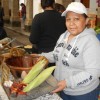
Traditional Mexican Recipes Fight the Good Fight
In a clay pot, Araceli Márquez mixes tiny Mexican freshwater fish known as charales with herbs and a sauce made of chili peppers, green tomatoes and prickly pear cactus fruit, preparing a dish called mixmole.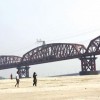
A Disaster-in-Waiting
In a recent interview with BBC, India's minister of water resources Uma Bharti unveiled her government's massive plan to divert major rivers including the Ganges and Brahmaputra. According to the Guardian, the project is just waiting for a rubber stamp from the environment ministry of India. While we do not want to be alarmists, it is hard to ignore the fact that, if implemented, the project will rob Bangladesh, a riverine country, of her very lifelines.
Water Woes Put a Damper on Myanmar’s Surging Economy
The central plains of Myanmar, bordered by mountains on the west and east, include the only semi-arid region in South East Asia – the Dry Zone, home to some 10 million people. This 13 percent of Myanmar’s territory sums up the challenges that the country faces with respect to water security: an uneven geographical and seasonal distribution of this natural resource, the increasing unpredictability of rain patterns due to climate change, and a lack of water management strategies to cope with extreme weather conditions.
Bangladeshi Shrimp Farmers See Big Money in Small Fry
Frozen tiger shrimp exports from Bangladesh, mainly to the United States and the European Union, have grown substantially over the years and the demand keeps increasing.
Water Security Critical for World Fastest-Growing Economy
Lack of water management and limited access to data risk hindering Myanmar’s economic growth, making water security a top priority of the new government.
Water: An Entry Point for SDG Implementation in Myanmar
All people, economies, and ecosystems depend on water. Yet water is often taken for granted, overused, abused, and poorly managed. The way we use and manage water leaves a considerable part of the global population without access, and threatens the integrity of ecosystems that are vital for a healthy planet and people.
Economic Interests Harming Global Health: WHO Chief
Putting economic interests over public health is leading the world towards three slow-motion health disasters, Margaret Chan, Director-General of the World Health Organization’s warned the world’s health ministers on Monday.
Natural Capital Investment Key to Africa’s Development
Plugging Africa’s funding gaps to accelerate social and economic development requires a fresh approach to using its natural capital, environment experts said on Monday.
Prickly Pears Drive Local Development in Northern Argentina
Family farmers in the northern Argentine province of Chaco are gaining a new appreciation of the common prickly pear cactus, which is now driving a new kind of local development.
Why Mainstreaming Biodiversity Is the Call for the Day
We have become familiar with the term biodiversity today due to the Convention of Biological Diversity [CBD] that was accepted by the UN Council on December 29, 1993, after which many nations, including Bangladesh, started becoming its signatories. As biodiversity is the foundation of life and is essential for the services provided by ecosystems, this year's theme of the International Biodiversity Day is “Mainstreaming Biodiversity; Sustaining People and their Livelihoods.”
Bangladesh’s Urban Slums Swell with Climate Migrants
Abdul Aziz, 35, arrived in the capital Dhaka in 2006 after losing all his belongings to the mighty Meghna River. Once, he and his family had lived happily in the village of Dokkhin Rajapur in Bhola, a coastal district of Bangladesh. Aziz had a beautiful house and large amount of arable land.
Species Loss, the Migration Hiding in Plain Sight
Two months ago, I was in Agadez, a city in the middle of the famous Ténéré Desert of Niger. Agadez has become a major transit point on a hazardous journey for the hundreds and thousands of desperate people from all over West Africa trying to make it to the Mediterranean coast every year.
Myanmar Seeks to Break Vicious Circle of Flood and Drought
It has been two weeks now since the village of Htita, with its few bamboo houses hemmed in by parched, cracked earth and dried-out ponds, has enjoyed the novelty of its first ever water well.The Heavens Poured and Atlas Shrugged
Sri Lankan parliamentarians appear to have been moved to unseemly mirth regarding the floodwaters which devastated the country this week, causing more than sixty three officially reported deaths and thousands more missing, with even greater numbers rendered homeless and destitute.
When Emergencies Last for Decades
For the millions of people whose lives have been uprooted by conflict and natural disasters the average amount of time before they can return home is now 17 years.
Indigenous Peoples Inclusion at United Nations Incomplete
The United Nations Indigenous Forum is one of the UN's most culturally diverse bodies yet its inclusion within the overall UN system remains limited.
Refugees Bring Economic Benefits to Cities
Refugees are now more likely to live in cities than in refugee camps, bringing with them planning challenges but also opportunities for economic growth.
Climate Change Compounds Humanitarian Crises in Global South
As the Global South works to overcome a history of weak institutions, armed conflict and poverty-driven forced exodus, key causes of its humanitarian crises, developing countries now have to also fight to keep global warming from compounding their problems.« Previous Page — Next Page »


Through our global network of local writers, we are continuing our award-winning coverage of global and local environmental challenges, with a focus on the people for whom the ecosphere matters in a direct way: rural dwellers who have little means to protect themselves against adverse conditions; communities that need to switch to sustainable development in order to survive; poor women and children, who are the most vulnerable in natural disasters. Sponsored by the United Nations Environment Program (UNEP), the United Nations Development Program (UNDP) and The World Bank (WB), IPS also maintains the award-winning Tierramérica, a specialised information service on environment and development.

The Week with IPS

Tracking global progress towards a sustainable world


