
Sunday, October 4, 2026



News and Views from the Global South
Farming Crisis: Filling An Empty Plate

Q&A: Revitalising Agriculture Starts in a Small Field
In countries around the world, small farmers are trapped in a vicious circle - hard-pressed governments don't invest enough money in local agriculture, and local producers find themselves driven off their lands and into urban slums, where they sink even deeper into poverty.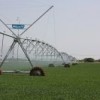
CLIMATE CHANGE: As World Warms, Southern Africa Swelters
Africa will be amongst the hardest hit regions of the world as the climate heats up, threatening the continent's food security, experts agree. If global temperatures rise 2.0 degrees C, southern Africa will warm an additional 1.5 degrees to a 3.5-degree increase on average.U.S.: Going Hungry in the Richest Nation on Earth
While many U.S. residents prepare for their annual Thanksgiving feast Thursday, one in six are at risk of hunger – including a quarter of all children in the country.“Perfect Storm” Spurred 2007-08 Food Crisis, Study Says
Rising food prices have not yet reached crisis levels but they are expected to remain very volatile for about the next decade, researchers said Thursday.U.S. Regulators Omit Wider Implications of GM Salmon
U.S. regulators are poised to decide as early as next week whether to approve a genetically modified salmon for human consumption.New Staple Crop Varieties Take Aim at Malnutrition
When the Green Revolution took root in the 1960s and 1970s, plant biologists' main concern was increasing the yield of the staple crops on which people in poor countries depended. This, it stood to reason, would increase the amount of food available to the world's poor – and decrease hunger.Caribbean Fighting a Losing Battle Against Food Imports
For much of late October, Caribbean ministers of agriculture, journalists, farmers and academics gathered in this tiny but picturesque south Caribbean island in a rearguard bid to refocus a region used to existing mostly for tourism on agriculture, given a mounting food import bill and fears of yet another global food crisis.
Slow Food Picks Up Steadily
It's been a steady, even if slow growth for the Slow Food movement around the world.
U.S.: Planting Oases in a Land of Burgers and Fries
Though close to a billion people remain undernourished worldwide, one in three U.S. children are overweight – a problem that First Lady Michelle Obama has made her priority over the first two years of her husband's administration.
Chinese Aid Bringing Smiles to Sierra Leone Farmers
"I think I am successful now," says Fanta Jabbah. "I am able to take care of my three children and support my husband; now I have a say in my household."
Could Water-Efficient Maize Boost Africa’s Food Security?
As controlled field trials of a genetically modified (GM) crop are about to begin in five African countries amidst promises of improved crops grown under poor conditions, critics are charging organisations with selling out the interests of African farmers.World Bank Extends Food Crisis Fund
Amidst fears of a recurring food crisis, the World Bank has reactivated its Global Food Crisis Response Programme (GFRP), dedicating up to 760 million dollars to countries at risk of food price volatility.Ending Africa’s Hunger Means Listening to Farmers
Africa is hungry - 240 million people are undernourished. Now, for the first-time, small African farmers have been properly consulted on how to solve the problem of feeding sub-Saharan Africa. Their answers appear to directly repudiate a massive international effort to launch an African Green Revolution funded in large part by the Bill and Melinda Gates Foundation.Nourishing a Budding Sustainable Agriculture Movement
With a record number of people undernourished last year – and that number only down about 10 percent this year – this year's World Food Day, to take place Saturday, carries with it a new sense of urgency. But in the conferences and events being held to commemorate the day, there will also likely be a sense of hope and opportunity.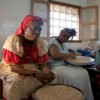
WEST AFRICA: Black-Eyed Peas Key to Economic Development
The black-eyed pea, commonly known as the cowpea, is the new kid on the block when it comes to improving the welfare of women and their families in West Africa, researchers say.
AFRICA: Can Research Strike a Balance Between Food and Fuel Crops?
While researchers and farmers are still divided on the benefits of growing crops for biofuel production as Africa grapples with food security, Senegal is steadily working to balance the growing demands for food and biofuels.
AFRICA: In Search of Lasting Farming Solutions to Climate Change
In the semi-arid Laikipia district of Kenya’s Rift Valley province, research scientist Sarah Ogalleh Ayeri travels from one village to another, documenting methods used by peasant farmers as they attempt to adapt to changing climatic conditions.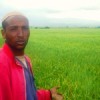
ETHIOPIA: New Wheat Variety to Deal with Wheat-killer Diseases
Like most farmers in Ethiopia, Jundi Hajji expected that the profit from his wheat harvest would be sufficient to feed his family of eight until next year's harvest.
HAITI: Hurricanes and the River Flowing
In the evening the lowering clouds burst. Through the night they loosed their torrents on the southeastern coast of Haiti.
“Orange” Maize Could Save Eyesight of Millions of African Children
'Orange' maize, a variety of the common cereal crop, could improve the lives of millions of malnourished people by providing increased vitamin A in their diet, according to a new study released here this week.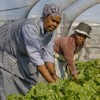
SOUTH AFRICA: Greening Project Creates Income and Food Security
Frances Mandla is visibly filled with pride. Together with her colleague, Nouniform Nqevu, she stands tall and smiling in front of a wide bed of lush spinach. The harvest will be their ticket to a better life. A life where there is enough money to buy food, clothes and pay school fees.« Previous Page — Next Page »


Today, one in six people on the planet go hungry, according to United Nations statistics. The food crisis and now the global economic crisis, together, have increased the number of undernourished people in the world to more that one billion for the first time since the 1970’s. Much of southern Africa continues to face severe food shortages, largely the result of one of the worst droughts in a decade followed by erratic rains. While the Latin American and Caribbean region as a whole is a net food exporter, food price inflation is still having a detrimental impact on the income, nutrition, and health of poor consumers. Solutions must be carefully crafted in each region, country and community taking into account local priorities. The complex web of issues surrounding food security and rural development include farmers access to markets, the adoption of international trade rules, technology transfer, the sustainable use of limited resources, and the application of traditional knowledge, among others. Establishing a prosperous, sustainable economic future for the world means placing a spotlight on agriculture - and giving a voice to farmers. IPS News is covering the food crisis, its causes and its effects, from both a local and a global perspective.

This website is funded through the support of the International Fund for Agricultural Development (IFAD).
