Languages
Friday, November 27, 2026



News and Views from the Global South
Featured
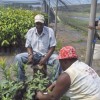
Amid Food Crisis, Caribbean Agriculture Going to Seed
With the average age of a farmer in the Caribbean now 62 years old, there is growing concern that commercial agriculture is on a path to extinction – a dire scenario for a region already shouldering a massive food import bill.
Brazil Frustrated with European “Backtracking” on IMF Reforms
In the aftermath of last week’s elections to the International Monetary Fund (IMF)’s executive board, Brazil and others are expressing frustration that a reforms process aimed at increasing the representation of developing countries is being stymied by European countries.
Cooperatives Help Women Farmers Tighten Ranks
It is a tried and tested truth that when women come together in groups they can address their issues more powerfully than they can as individuals.
Tibetan Exiles Report High Rates of Hepatitis B
As the Central Tibetan Administration (CTA) works to address some of its more immediate political problems, long-term public health issues have emerged, including high rates of hepatitis B among the exiled community.
Violence Against Women Surging in India
As gender-based violence across India becomes more frequent, and more savage, increasing numbers of women are speaking out against the cruelty.
Kenya Pushes Dubiously Against Islamists
A Kenyan military advance into Somali territory to push back Islamic militants has had some measured military success - but is not without controversy.Saudi Insider Likely Key to Aramco Cyber-Attack
Last weekend’s disclosure that Iranian cyber warriors had disabled some 30,000 computers owned by the Saudi oil giant Aramco is attracting considerable attention here, particularly in light of a warning last week by Pentagon chief Leon Panetta that Washington could face a “cyber-Pearl Harbor".Shale Gas Extraction Brings Local Health Impacts
Shale gas extraction is putting some U.S. communities at risk of health issues, new research released here Thursday warns.
Shadow Over Aichi Biodiversity Targets
With negotiations to mobilise resources for preservation of biodiversity at a major United Nations conference going nowhere, the Group of 77 and China have hinted at possible suspension of the ‘Aichi targets’ under the Nagoya Protocol.
Senegal Finds the Cooperative Way to More Food
Over the past two years, millet production has reached record levels in Dya, a rural community in the Kaolack region of central Senegal, where the Agricultural Value Chains Support Project (PAFA) is supporting two farmers' collectives.
Internet Becomes Newest Victim of Repression in Kashmir
Fayaz Ahmad’s Faim Internet Café in the Sopore township of Indian Kashmir was booming until a year ago, when police entered his premises without warning and seized all his computers.
Three Years of Peace But No Sign of Prosperity
Mamaduwa, a remote village in Sri Lanka’s northern Vavuniya district where scorching winds blow across parched earth, is trying to forget the past.
Poverty Sparks New Unrest in Egypt
Ahmed Hassanein works in a modern factory in an industrial enclave west of Cairo. He wears a neatly pressed uniform and operates precision calibrated machinery on a line that produces components for foreign-brand passenger vehicles.
Women’s Groups Say Uruguay’s New Abortion Law Falls Short
The Uruguayan Congress passed a law Wednesday decriminalising abortion, making it one of the few countries in the region where abortion is allowed in cases other than rape, incest, malformation of the fetus or danger to the mother’s life. But activists who backed the bill are not pleased with modifications introduced in the final version.
In TB Fight, It’s ‘Pay Now or Pay Later’
The next several years could see either the elimination of tuberculosis in some regions or millions of otherwise preventable deaths, according to new research released in Washington Wednesday by the World health Organisation (WHO).
An Empty Chair in Colombia’s Peace Talks in Oslo
Closed-door talks between members of the FARC guerrillas and the Colombian government began in Oslo Wednesday, after the delegates were taken from the airport to an undisclosed location.
Some Caribbean Hotels Back Away from Battered Coastlines
The postcards portray sand, sea and sun. But key players in the Caribbean tourism industry are warning that it's time to shift gears away from the region's threatened coastlines and instead promote inland attractions like biodiversity.
Malawi Considers Controversial EU Trade Deal
Malawi has opened up negotiations on the economic partnership agreement (EPA) with the European Union, which have been deadlocked since 2002.
Communities Organise to Confront Climate Change in El Salvador
Armed with chainsaws, machetes and shovels, local residents of El Salvador’s Lower Lempa River Basin, near the Pacific Ocean, are unblocking the flow of rivers and pruning the branches of trees on riverbanks to keep them from falling into the chocolate-colored water.
Violence Against Women Persists in Bangladesh
Bangladesh, often cited as a model of progress in achieving the United Nations Millennium Development Goals (MDGs), appears to be sliding backwards when it comes to dealing with violence against women (VAW).
Local Money Sets Its Own Stamp
Bristol, the eighth most populous town in the UK, has launched a local currency - the Bristol Pound. That makes it one of the largest localities to embrace a complementary currency among more than 2,500 worldwide.« Previous Page — Next Page »


The Week with IPS

NEXT STOP - SDGs
Tracking global progress towards a sustainable world
