Languages
Sunday, November 22, 2026



News and Views from the Global South
Global

U.S. Food Aid Reforms May Be Rolled Back
Lawmakers here may roll back recent landmark reforms to how the United States provides international food aid, despite warnings that doing so would reduce assistance for some two million people worldwide.
U.S.-Dependent Pacific Island Defies Nuke Powers
The tiny Pacific nation state of Marshall Islands - which depends heavily on the United States for its economic survival, uses the U.S. dollar as its currency and predictably votes with Washington on all controversial political issues at the United Nations - is challenging the world's nuclear powers before the International Court of Justice (ICJ) in The Hague.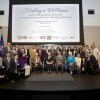
Interfaith Leaders Jointly Call to Abolish Nuclear Arms
On the eve of next week’s meeting at the U.N. headquarters in New York on the Nuclear Non-Proliferation Treaty (NPT), more than 100 representatives of 11 faith groups from around the world have pledged to step up their efforts to seek the global abolition of nuclear weapons.
Brazil Assumes Leadership in Future of Internet Governance
Brazilian President Dilma Rousseff signed into law an Internet bill of rights just before her opening speech at an international conference on Internet reform in the southern city of São Paulo Wednesday.U.S. Public Feeling More Multilateral Than Isolationist
Amidst a roiling and mostly partisan debate over Washington’s global role, a survey released here Thursday suggests that President Barack Obama’s preference for relative restraint and multilateral - over unilateral - action very much reflects the mood of the voting public.
Post-Rana Plaza, Global Investors Pushing for Systemic Change
A coalition of 134 institutional investors are calling for global corporations to institute new transparency policies throughout their supply chains and to step up assistance to survivors and families still suffering a year after a major fire led to the collapse of a garments factory in Bangladesh, despite repeated warnings from workers.
Violence in South Sudan at a Savage Turning Point
After a week that saw a massacre inside a U.N. base and wide-scale ethnic-based slaughter in an oil-producing region, the international community is grappling with what, if any, options remain to save lives in South Sudan.
U.S.-Russia Sabre Rattling May Undermine Nuke Meeting
The growing tension between the United States and Russia over Ukraine has threatened to unravel one of the primary peace initiatives of the United Nations: nuclear disarmament.
U.S. Urged to Tackle Lead in Aviation Gasoline
Consumer advocates, public health workers and environmental groups here are calling on the federal government to take a formal step towards regulating the use of lead in aviation gasoline, despite a failure to do so for nearly two decades.
Charting a Course for Survival, or Oblivion?
Hopefully, on Earth Day today, high-level ministers from all countries are thinking about what they can bring to the table at a key set of meetings on climate change in early May.
The Global Trading System Aims to Improve Children’s Lives
Although some people don’t see the connection, the global trading system is aimed at creating some of the essential conditions needed to improve children’s lives and their prospects in the future.
U.N. Denies Dragging Its Feet on U.S.-Iran Visa Dispute
After two long weeks of raging controversy over Washington's refusal to grant a U.S. visa to the Iranian envoy to the United Nations, the U.N.'s office of legal affairs is being accused of moving at the pace of a paralytic snail - only to seek more time while remaining non-committal on the dispute.U.S. Foreign Aid Approach Is Outdated, Experts Say
U.S. foreign aid is becoming increasingly outdated, analysts here are suggesting.
Civil Society Wants More Influence in New Development Agenda
Making international cooperation more effective requires a civil society with greater influence in the negotiations of the development agenda that the world’s governments are to adopt in 2015, civil society representatives said at an international meeting in Mexico.
Our Planet’s Future Is in the Hands of 58 People
In case you missed it, the Intergovernmental Panel on Climate Change (IPCC) released the third and final part of a report on Apr. 13 in which it says bluntly that we only have 15 years left to avoid exceeding the "safe" threshold of a 2°C increase in global temperatures, beyond which the consequences will be dramatic.
Ending Modern Slavery Starts in the Boardroom
Modern-day slavery can be eradicated from multinational supply chains, but only if global businesses contribute to greater transparency and collaboration, according to new recommendations by Sedex Global and Verite.
Q&A: Agriculture Needs a ‘New Revolution’
The Millennium Development Goals deadline of 2015 is fast approaching, but according to the International Fund for Agricultural Development (IFAD), poverty still afflicts one in seven people — and one in eight still goes to bed hungry.
U.N. Visa Denials Appendage of U.S. Foreign Policy
The United States has rarely, if ever, denied a visa to a head of state seeking to visit the United Nations to address the 193-member General Assembly, the highest policy making body in the organisation.
IPCC Climate Report Calls for “Major Institutional Change”
Greenhouse gas emissions rose more quickly between 2000 and 2010 than anytime during the previous three decades, the world’s top climate scientists say, despite a simultaneous strengthening of national legislation around the world aimed at reducing these emissions.
Turtles Change Migration Routes Due to Climate Change
The critically endangered hawksbill sea turtle has few sanctuaries left in the world, and this is one of them. But in 2012 only 53 nests were counted on the beaches of this national park in Costa Rica. And there is an enemy that conservation efforts can’t fight: the beaches themselves are shrinking.
Emerging Nations Opt for Arms Spending Over Development
Secretary-General Ban Ki-moon, who has relentlessly advocated drastic cuts in global military spending in favour of sustainable development, will be sorely disappointed by the latest findings in a report released Monday by the Stockholm International Peace Research Institute (SIPRI).« Previous Page — Next Page »


The Week with IPS

NEXT STOP - SDGs
Tracking global progress towards a sustainable world
Tracking global progress towards a sustainable world
