Languages
Sunday, November 22, 2026



News and Views from the Global South
Global
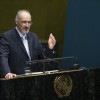
U.N. General Assembly Condemns Syria as Sceptics Multiply
When the 193-member General Assembly voted Wednesday to condemn the beleaguered government of Syrian President Bashar al-Assad, there was an increase in the number of sceptics who neither supported nor opposed the tottering regime in Damascus.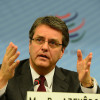
WTO Chooses New Latin American Chief to Mark a Change in Course
Brazilian diplomat Roberto Carvalho de Azevêdo was named the new director general of the WTO with broad support from the developing world, beating out his Mexican rival Herminio Blanco, who was backed by the industrialised nations.
U.S. Gov’t Accused of “Corporate Diplomacy” for Biotech Industry
A consumer protection group here is accusing U.S. diplomats of engaging in a concerted and at times forceful advocacy campaign on behalf of genetically modified seeds and even specific biotechnology companies, particularly aiming to influence governments in developing countries.U.N., Fluent in Anglo-French, Seeks to Go Multilingual
When Egypt's onetime Foreign Minister Boutros Boutros-Ghali was running for the post of U.N. secretary-general in late 1991, he had to contend with the candidature of Bernard Chidzero, then foreign minister of Zimbabwe.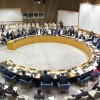
Israeli Attacks on Syria Escape Security Council Scrutiny
Israel, which has launched three air strikes inside Syria since January this year, has escaped scrutiny or condemnation by a Security Council which remains sharply divided.
Pluralities of Israelis, Palestinians Want Stronger U.S. Peace Role
Amidst a new U.S. effort to revive the long-stalled Israeli-Palestinian peace process, healthy pluralities of both peoples want U.S. President Barack Obama to play a stronger role in resolving their conflict, according to a major new poll released here Thursday by the Pew Research Center.
Toxic Waste on Par with Malaria as a Global Killer
Toxic waste sites in 31 countries are damaging the brains of nearly 800,000 children and impairing the health of millions of people in the developing world, two new studies have found.
Developing Resilience to Financial Shocks
The global repercussions of the 2007-2008 financial crisis are a stark reminder of the economic interdependence in our globalising world. No country was spared from the shock waves that originated in the financial systems of developed economies.
Skilled Midwives May be the Key to Healthy Babies
The story goes like this: a young mother lies quietly in a dimly lit room having just given birth to her baby. For the next seven days she watches over the child with caution, nursing and swaddling it patiently. Fearful that the infant will not survive past a few days, she refuses to give it a name.
Climate Change Adaptation: A Race Against Time
Adaptation and mitigation. Identified by the United Nations Framework Convention on Climate Change and by scientists as the two major responses to address the problem, these were also the twin preoccupations of a climate change conference held recently in Dhaka.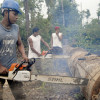
Critics Slam California “Forest Offset” Plan
More than two dozen environmental organisations are urging California Governor Jerry Brown to disregard recommendations from a United Nations task force to include so-called forest “offsets” in the state’s new emissions-trading scheme.
Rich Countries Drag Feet at Climate Talks
Another week of international climate negotiations ended in Bonn, Germany last Friday, but there was little mid-level bureaucrats could do when world leaders remain in thrall to the fossil fuel industry, say environmentalists.
U.N. Accused of Playing Down Nuke Disarmament Conference
Secretary-General Ban Ki-moon is one of the most vociferous advocates of a world free of nuclear weapons.
Austerity is Dismantling the European Dream
The European Union (EU) has asked its citizens to brace for further economic misery. In a report on European economic prospects released on May 3, the European Commission said that further deterioration is expected to last at least until 2015. But, as every such report says, things will then get better.
U.N. Finds “Little Appreciation” for Human Rights among U.S. Businesses
A United Nations expert group is warning that too many gaps remain in implementing new safeguards among businesses based in the United States, both in terms of their domestic and international operations, to ensure the protection of human rights of workers and communities affected by those operations.Fragile States Show Signs of Progress Toward MDGs
Twenty of the world’s most fragile states, including those currently affected by conflict, have achieved one or more of the development targets outlined under the Millennium Development Goals (MDGs), the World Bank said this week.
U.N. Harnesses Social Media to Reach Outside World
As the world continues to turn digital, so does the United Nations - slowly but steadily.
U.S. Links Pesticides to Honey Bee Deaths, but Resists Ban
A major study by the U.S. government’s environment and agriculture agencies has suggested a strong link between the use of certain pesticides and the widespread deaths that have afflicted honey bee populations around the world in recent years.
May Day Marchers Spread Their Wings
More than 1,000 people marched under the brilliant San Francisco sun on May Day. Their signs, such as “Work in America/Live in America/Dream in America. Immigration reform now,” their songs, chants and speeches wove together the twin themes of the day: worker justice and immigrant justice.
WTO, Dubious Prize for a Latin American?
The complicated challenge of invigorating the debilitated World Trade Organisation (WTO) and the multilateral trade system that it governs will fall, for the next four years and for the first time ever, to a Latin American.
Q&A: Schools Need “Transliteracy”
A new social contract is needed in education, that would fully incorporate informatics and the 21st century conception of human rights, French professor Divina Frau-Meigs says in this interview with IPS.« Previous Page — Next Page »


The Week with IPS

NEXT STOP - SDGs
Tracking global progress towards a sustainable world
Tracking global progress towards a sustainable world
