Languages
Saturday, November 21, 2026



News and Views from the Global South
Green Economy

Over a Barrel, Caribbean Seeks Finance for Clean Energy
When James Husbands, a 24-year-old Barbadian businessman, began weighing the possibility of manufacturing solar water heaters, there was already a prototype on the island that had been designed and installed by an Anglican priest living there in the early 1970s.
Cyclone-Resistant Construction Materials, Cuban Style
Houses with sturdy masonry walls and reinforced concrete roofs, looking like they could survive any tropical storm or hurricane, are sprouting up on the outskirts of this city in central Cuba, thanks to the development of local production of construction materials.
Living Laboratory for Coping with Drought in Brazil
The first surprise on arriving at Abel Manto's farm is how green it is, in contrast with the dry brown surroundings. His beans and fruit trees seem oblivious to the persistent drought in the semi-arid hinterland of northeast Brazil, the worst in 50 years.
Green Economy Not Taking Off in Latin America
A year after endorsing the principles of the green economy at the Río +20 summit, Latin America is making little progress towards sustainable development models, according to experts.
Edible Insect Market Hindered by Legal and Cultural Barriers in Spain
A 280-square-metre warehouse in Coín, a municipality in the southern Spanish province of Málaga, is home to a unique type of farm, where insects are raised for human consumption and the production of animal feed. But despite FAO’s endorsement of insects as food, there are numerous obstacles holding back the development of this industry.
Obama Plan to Electrify Africa Offers a “New Model” of Aid
During an eight-day trip to Africa, President Barack Obama unveiled an ambitious plan to improve access to electricity across the continent, a move the White House says is designed to lift Sub-Saharan Africa out of poverty and help the region develop a stable middle class.
Obama Unveils Plan to Circumvent Congress on Climate Change
Stymied by the U.S. Congress, President Barack Obama on Tuesday unveiled his vision to reset the United States' incoherent national plan to combat climate change, offering dozens of regulatory tweaks and targets that his administration could now implement without Congressional approval.
In Southern U.S., Energy Equity Seen as Path to Sustainability
Advocates of the concept of "energy equity" have begun employing it in the southern United States to create a diverse coalition of citizens who might otherwise approach energy policy issues differently.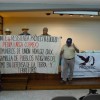
Rural Mexican Communities Protest Wind Farms
"We can't sow our fields, which they have rented for next to nothing. What good do we get out of it?" Guadalupe Ramírez complained about wind farms operating in the southern Mexican state of Oaxaca.
Small Farmers Buffeted by Climate Change
The U.N. Food and Agriculture Organisation (FAO) has long warned that a quarter of the world’s farmland is “highly degraded".
Developing Countries Lead Global Shift to Green Energy
Emerging economies such as Mexico and India are shifting energy investments into renewable resources while industrialised countries hesitate, noted two new United Nations reports released Wednesday in Nairobi, Kenya.
Is the 2030 Goal for Hunger Eradication Realistic?
With less than three years before a 2015 deadline, the developing world is largely expected to miss one of the U.N.'s key Millennium Development Goals (MDGs): halving the number of people living in extreme poverty and hunger.
“Carbon Farming” Makes Waves at Stalled Bonn Talks
U.N. climate talks have largely stalled with the suspension of one of three negotiating tracks at a key mid-year session in Bonn, Germany.
Iceland Renews Push for Aluminium Plant
The new Icelandic government was only a day old when it announced in mid-May that it would do all it could to push ahead with the Helguvik aluminium smelter. Construction for the smelter began in in 2008 but since then has met with a variety of problems, mostly energy-related.
Mexican Climate Fund Short of Cash, Slow Off the Mark
The Climate Change Fund set up in November in Mexico faces enormous challenges such as the enforcement of anti-corruption standards, which make it unlikely that concrete actions will begin this year, according to civil society organisations.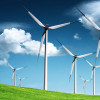
For First Time, U.S. to Lease Offshore Wind Blocks
The U.S. government announced Tuesday that it would be going forward with long-discussed plans to auction federal leases off the Atlantic Ocean coast for the development of offshore wind energy.
U.N. Panel Projects a Poverty-Free World by 2030
A U.N.-commissioned high-level panel of eminent persons, led by three world leaders, has moved the goal posts for the halving of extreme poverty and hunger: from the current 2015 deadline to a new targeted date of 2030.
Brazil Floors Gas Pedal on Bus Rapid Transit
Brazil, and especially the city of Rio de Janeiro, is experiencing a boom in bus rapid transit (BRT), a public transport system that now has an internationally-recognised quality standard.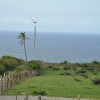
Wind Power Finds a Toehold in Green-Minded Nevis
When it comes to generating clean energy and reducing costs, the tiny Caribbean island of Nevis considers itself the leader within the nine-member Organisation of Eastern Caribbean States (OECS).
Forestry Programmes Bogged Down in Latin America
Issues related to the ownership of forest carbon and to prior consultation mechanisms threaten to derail plans for the Reduction of Emissions from Deforestation and Degradation of Forests (REDD+) in some countries of Latin America, according to experts.
Caribbean Farming Gets Its Roots Wet
As Caribbean communities grapple with the entwined challenges of climate change and food security, modern technologies offer hope that the region's stagnating agricultural sector can be made more profitable.« Previous Page — Next Page »


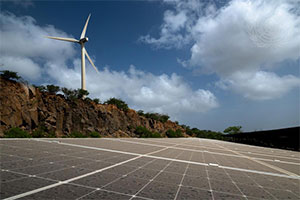 Renewable Energy in Cabo Verde. Credit: UN Photo/Mark Garten
A green economy is an economic model that aims to reduce environmental risks and build a sustainable future. Many of the UN SDGs seek to facilitate a green economy, such as ensuring access to affordable and reliable clean energy, building sustainable cities and communities, and implementing urgent action to combat climate change. Various key negotiations have strived to achieve a green economy, such as the Green New Deal and the Inflation Act of 2022. COP30, held in Belém, Brazil in 2025, agreed to mobilize $1.3 trillion annually for climate action and launched the Belém Mission to 1.5°C. However, the conference was not able to develop a fossil fuel reduction roadmap. Recent years have witnessed a sharp transformation in the geopolitical landscape of international sustainability cooperation. In March 2025, the United States stepped back from formal multilateral support for the SDGs, while China is on the rise as an international leader in renewable energy production. The actions of these global powers may shape shifting alliances on environmental governance. IPS is dedicated to sharing timely news on international developments in building a sustainable future.

The Week with IPS

NEXT STOP - SDGs
Tracking global progress towards a sustainable world
Tracking global progress towards a sustainable world
