Languages
Friday, November 13, 2026



News and Views from the Global South
Migration & Refugees
A Million Hardships in Pakistan’s North
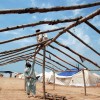
More than a million people displaced from the Federally Administered Tribal Areas by growing militancy and military operations are facing severe hardship after losing businesses and work.
President-elect Pushes New Mexican Image in Washington
Ahead even of his Saturday swearing in, Mexican President-elect Enrique Pena Nieto met here on Tuesday with President Barack Obama to lay out a vision for a new bilateral relationship based more on economics and less on security issues.
Q&A: For Europe-Bound Migrants, Rights Violations Await
Along the borders of modern Europe, migrants have much to contend with, ranging from contradictory and confusing national immigration policies to horrific war zones, which these borders areas are slowly becoming.
Coastal Erosion Reaches Alarming Levels in Vietnam
For the last decade, many families in this southwestern Vietnamese province have been uprooted at least once every two years – but this is not due to economic or political upheaval.
War Tourism Skips Reality
The tour guide’s voice echoes around the dark, musty room, three stories underground. Fifty visitors – among them mothers holding infants, youths snapping pictures on mobile phones and grandparents leaning against the walls – are crammed into the narrow stairwell that leads down into the chamber, listening attentively to his every word.
Remittances Rise Despite West’s Economic Weakness
Despite recession in Europe and a weak recovery in the United States, remittances to developing countries have been growing at a strong pace over the last year and are likely to accelerate further through 2015, according to a new report released here Tuesday by the World Bank.
First Burning Homes, Now Border Patrols
In late August, Mohammad Saifuddin (not his real name), together with his wife, three daughters and son, fled the carnage of communal violence in western Myanmar’s Rakhine province and headed for the border of neighbouring Bangladesh.
Cold and Dusty But Safe
No other camp for Syrians match the size of Za’atari. Equal rows of tents marked with the UNHCR logo spread to the horizon, dotted with lanterns and water tanks. Only a handful of people remain in sight, mostly on their way to or from the bathrooms.
Some U.S. Farmworkers Face “Inhuman Conditions”
A widely respected advocate for U.S. farmworker rights received a prestigious award on Capitol Hill here Wednesday, using the occasion to highlight pending state legislation that could significantly improve lives and working conditions that some have likened to modern-day slavery.
Home Is Not for Visiting
It came like a bolt from the blue on this serene city perched in the hills of Galilee. Palestinian President Mahmoud Abbas declared on Israel’s Channel Two television earlier this month, “I want to see Safed! It’s my right to see it, but not to live there.”Obama’s Historic Cuban-American Vote Opens Window for Change
While political and media attention remains focused on the unprecedented support President Barack Obama received in Tuesday’s election from Latinos, one particular subset of those voters - one with potential foreign policy clout - is drawing intense interest.
It Was the Demographics, Stupid
Twenty years ago, Democratic pol James Carville immortalised the phrase “It’s the economy, stupid” in explaining how former Arkansas governor Bill Clinton would unseat President George H. W. Bush, who was riding high off his smashing military victory in the first Gulf War.
Immigration Reform May Be Big Winner in U.S. Elections
In the aftermath of a surprisingly lopsided victory for President Barack Obama’s Democratic Party and for progressive causes more broadly, one of the key discussions taking place here is over the suddenly increased prospects for comprehensive immigration reform, long an issue so divisive that few politicians have been willing to tackle it.
Migrants in Poland Find a Voice At Last
It took hunger strikes and a case like Layla Naimi’s to push authorities in Poland to amend laws dealing with irregular migrants.Latino Excitement at Record Levels in U.S. Election
Just over a week before the United States votes in a highly anticipated and historically tight presidential election, a new poll released Monday finds that interest by Latino voters has strengthened significantly over the past two months, and that turnout among Hispanics could be higher than the records set in 2008.U.S. Muslims Could Be Critical Voting Bloc
With Barack Obama and Mitt Romney virtually tied with Election Day less than two weeks away, Muslim voters could play an unexpected critical role in deciding the outcome Nov. 6.
Migrant Women Trapped in Sex Trade
When French police broke up a Nigerian human trafficking ring that allegedly forced young migrant women into prostitution, the arrests cast a sharp light on the plight of what the authorities called “modern-day slaves”, here and throughout Europe.Chile Deports Non-Violent Foreign Prisoners
Chile is releasing and deporting foreign inmates, mainly in prison on drug trafficking charges, as part of a broader attempt at improving conditions in this country’s overcrowded prisons.
Cuban Families Grapple with Migration Reform
Her voice is calm. She no longer has any question that her “destiny” is to live outside of Cuba. “My father is getting older every day. It’s time for me to help him,” the 27-year-old woman tells IPS, commenting on her plans to emigrate and become her family’s provider.
Injured Struggle in the Sahara
Safia’s six-year-old body is riddled with scars from the rocket that hit her home in February. With her immediate family all killed in the violent attack, this sole survivor smiles shyly as she visits the medics that fought to save her life.
Q&A: Disaster Resilience Starts with Grassroots Women
Women and girls can be powerful agents of change, but they are disproportionately affected by disasters because of social roles, discrimination and poverty.« Previous Page — Next Page »


Human migration is a matter of global concern. Flows of migrants and refugees influence and change the social, economic and political dynamics of their destinations -- and the places they have left behind. IPS covers crucial issues such as migrant and refugee rights, irregular or undocumented migration, human trafficking, remittances, displaced persons and forced labour. And the positive: in many cases migration creates a new dialogue among civilisations. Migrants themselves become the building blocks of bridges connecting different cultures.

The Week with IPS

NEXT STOP - SDGs
Tracking global progress towards a sustainable world
Tracking global progress towards a sustainable world
