Languages
Thursday, September 24, 2026



News and Views from the Global South
Water & Sanitation

Private Interests Valued over Human Lives in Flint, Michigan
When the water in Flint, Michigan was found to be corroding cars at a General Motors’ (GM) factory, government officials agreed to change the factory's water source, yet the same water source continued to poison the residents of Flint for another year.
Hit by Extreme Weather, South Asia Balances Growth and Food Security
Sri Lanka is literally baking these days.
The Beating Pulse of Food Security in Africa
Elizabeth Mpofu is a fighter. She is one of a select group of farmers who equate food security with the war against hunger and shun poor agricultural practices which destroy the environment and impoverish farmers, especially women.
Amid South Africa’s Drought, Proposed Mine Raises Fears of Wetlands Impact
The dam supplying Johannesburg’s water sits less than 30 percent full. Water restrictions have been in place since November and taxes on high water use since August. Food prices across South Africa have risen about 10 percent from last year, in large part due to water shortages.
Canals Save Cambodian Farmers in Times of Drought
In Kampong Speu province, when the wet weather doesn't come, as in other parts of Cambodia, it can affect whether food goes on the dinner table.
At the Nexus of Water and Climate Change
With the clock counting down towards the November climate summit in Marrakech, Morocco, where parties to the climate treaty agreed in Paris will negotiate implementation, it's clear that managing water resources will be a key aspect of any effective deal.
Asia, Looking Beyond the Green Revolution
 More than 2.2 billion people in Asia rely on agriculture for their livelihoods, but the Asian Development Bank warns that stagnant and declining yields of major crops such as rice and wheat can be ultimately linked to declining investments in agriculture. Public investments in agriculture in India, for instance, have been roughly the same since 2004.

Nurturing African Agriculture
While agriculture could be the driving force to lift millions of Africans out of poverty and alleviate hunger, its full potential remains untapped. For example, only between five and seven percent of the continent’s cultivated land is irrigated, leaving farmers vulnerable to climate shocks like the devastating El Nino-driven drought in southern Africa. That's why international agencies like the U.N. Food and Agriculture Organization (FAO) are forging key partnerships to enhance agricultural production, sustainable natural resource management and increased market access. 
Ships Bring Your Coffee, Snack and TV Set, But Also Pests and Diseases
“Every evening, millions of people all over the world will settle into their armchairs to watch some TV after a hard day at work. Many will have a snack or something to drink…
Dhaka Could Be Underwater in a Decade
Like many other fast-growing megacities, the Bangladeshi capital of Dhaka faces severe water and sanitation problems, chiefly the annual flooding during monsoon season due to unplanned urbanisation, destruction of wetlands and poor city governance.
Arable Lands Lost at Unprecedented Rate: 33,000 Hectares… a Day!
Humankind is a witness every single day to a new, unprecedented challenge. One of them is the very fact that the world's arable lands are being lost at 30 to 35 times the historical rate. Each year, 12 million hectares are lost. That means 33,000 hectares a day!
Ethiopian Food Aid Jammed Up in Djibouti Port
Bags of wheat speed down multiple conveyor belts to be heaved onto trucks lined up during the middle of a blisteringly hot afternoon beside the busy docks of Djibouti Port.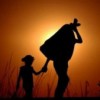
Adaptation to Climate Change: Need for a Human Rights Approach
The memories of Cyclone Sidr and Aila are fresh in the mind of Razia Begum, a victim of climate change, of Dacope Upazila, Khulna. The standing field crops and houses of her community were destroyed, and they suffered the loss of cattle as well as people who perished in these natural disasters. She says mournfully that Saturkhali, Kamarkhola, Koilashganj and Baniashanta are the most vulnerable unions where access to necessary human rights is disrupted. Furthermore, salinity, flood, river erosion, heavy rain, cyclone, water logging and seasonal variations etc. are the most devastating impacts of climate change in those areas.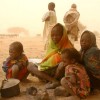
War on Climate Terror (II): Fleeing Disasters, Escaping Drought, Migrating
"No one can deny the terrible similarities between those running from the threat of guns and those fleeing creeping desertification, water shortages, floods and hurricanes.”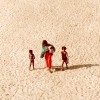
War on Climate Terror (I): Deserts Bury Two Thirds of African Lands
Two-thirds of the African continent is already desert or dry-lands. But while this vast extension of the second largest continent on Earth after Asia is “vital” for agriculture and food production, nearly three-fourths of it is estimated to be degraded to varying degrees.Food Safety Issues Rise in Colombo
This newspaper’s News Desk has been following up on Public Health issues for some time, and their ongoing reports should raise concerns among Colombo residents, both the affluent, and the not-so, because of the declining standards in the monitoring of food establishments, from the humble ‘buth kades’ to the restaurants of five-star hotels.
African Farmers Can Feed the World, If Only…
Can African farmers feed the world?. Apparently the answer is “yes.” Bold as it may sound, this statement is based on specific facts: Africa is home to 60-65 per cent of the world’s uncultivated arable land and 10 per cent of renewable freshwater resources, and it has registered a 160 per cent increase in agricultural output over the past 30 years.
Climate-Smart Agriculture for Drought-Stricken Madagascar
Mirantsoa Faniry Rakotomalala is different from most farmers in the Greater South of Madagascar, who are devastated after losing an estimated 80 percent of their crops during the recent May/June harvesting season to the ongoing drought here, said to be the most severe in 35 years.
New Alliance to Shore Up Food Security Launched in Africa
As over 20 million sub-Saharan Africans face a shortage of food because of drought and development issues, representatives of the U.N. Food and Agriculture Organisation (FAO) and the Pan African Parliament (PAP) met in Johannesburg to forge a new parliamentary alliance focusing on food and nutritional security.
Newly Empowered Black Farmers Ruined by South Africa’s Drought
Almost half a decade of drought across most of South Africa has led to small towns in crisis and food imports for the first time in over 20 years, as well as severely hampering the government’s planned land redistribution programme.
Chronic Hunger Lingers in the Midst of Plenty
In a fraught global economic environment, exacerbated by climate change and shrinking resources, ensuring food and nutrition security is a daunting challenge for many nations. India, Asia's third largest economy and the world's second most populous nation after China with 1.3 billion people, is no exception.« Previous Page — Next Page »


The Week with IPS

NEXT STOP - SDGs
Tracking global progress towards a sustainable world
Tracking global progress towards a sustainable world
