Languages
Saturday, September 26, 2026



News and Views from the Global South
Women's Health

Urban Slums a Death Trap for Poor Children
It’s called the urban survival gap – fuelled by the growing inequality between rich and poor in both developing and developed countries – and it literally determines whether millions of infants will live or die before their fifth birthday.
Q&A: “People Need to Be at the Centre of Development”
In a populous archipelago nation like Indonesia, where 250 million live spread across some 17,500 islands, speaking over 300 languages, the question of development is a tricky one.Unsafe Abortions Continue to Plague Kenya
She is just 14, but Janida avoids eye contact with others, preferring to look down at the ground and nodding her head if someone tries to engage her in conversation.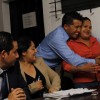
Draconian Ban on Abortion in El Salvador Targeted by Global Campaign
International and local human rights groups are carrying out an intense global campaign to get El Salvador to modify its draconian law that criminalises abortion and provides for prison terms for women.No Woman, No World
Almost exactly two years ago, on the morning of Apr. 24, over 3,600 workers – 80 percent of them young women between the ages of 18 and 20 – refused to enter the Rana Plaza garment factory building in Dhaka, Bangladesh, because there were large ominous cracks in the walls. They were beaten with sticks and forced to enter.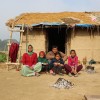
Clean Cookstoves Could Change the Lives of Millions in Nepal
 When 26-year-old Laxmi married into the Archaya household in Chhaimale village, Pharping, south of Nepal’s capital Kathmandu, she didn’t think she would be spending half the day in the kitchen inhaling smoke from the stove.
Sexual Violence in Conflict “The Contemporary Moral Issue” Says United Nations
Impunity for perpetrators of sexual violence in war must end, said Zainab Hawa Bangura, the Special representative of the United Nations Secretary-General on sexual violence in conflict, who presented to the U.N. Security Council the Secretary-General's 2015 report on the issue on April 15.
Clean Cookstoves Could Change the Lives of Millions in Nepal
When 26-year-old Laxmi married into the Archaya household in Chhaimale village, Pharping, south of Nepal’s capital Kathmandu, she didn’t think she would be spending half the day in the kitchen inhaling smoke from the stove.
Women Still Struggling to Gain Equal Foothold in Nepal
Kali Sunar, 25, a resident of the Dumpada village in the remote Humla District in Far-West Nepal, lives a life that mirrors millions of her contemporaries.
Curbing Tobacco Use – One Step Forward, Two Steps Back
The numbers are in, and there’s not much to celebrate: every year, about six million people die as a result of tobacco use, including 600,000 who succumb to the effects of second-hand smoke.
Lesbians Receiving Unequal Treatment from Cuban Health Services
In addition to other forms of discrimination, lesbian and bisexual women in Cuba face unequal treatment from public health services. Their specific sexual and reproductive health needs are ignored, and they are invisible in prevention and treatment campaigns for women.
Opinion: Education as a Cornerstone for Women’s Empowerment
Earlier this month, the Barack Obama administration announced a new initiative designed to improve girls’ education around the world. Dubbed “Let Girls Learn,” the programme builds on current progress made, such as ensuring girls are enrolled in primary school at the same rates as boys, and is looking to expand opportunities for girls to complete their education.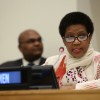
CSW 59 Wraps up as Delegates Look Towards 2016
The Commission on the Status of Women, one of the biggest events on the calendar for United Nations headquarters in New York City, is over for another year.
Palestinian Women Victims on Many Fronts
Israel’s siege of Gaza, aided and abetted by the Egyptians in the south, has aggravated the plight of Gazan women, and the Jewish state’s devastating military assault on the coastal territory over July and August 2014 exacerbated the situation.
Women in the Philippines at the Forefront of the Health Food Movement
When Tinay Alterado’s team from ARUGAAN, an organisation of women healthcare advocates, visited Eastern Visayas, a region of the Philippines devastated by Typhoon Haiyan in November 2013, they noticed that the relief and rescue sites were flooded with donated milk formula, which nursing mothers were feeding to their babies in vast quantities.
Sendai Conference Stresses Importance of Women’s Leadership
Women play a critical role in reducing disaster risk and planning and decision-making during and after disasters strike, according to senior United Nations, government and civil society representatives.
Opinion: Gender Equality, the Last Big Poverty Challenge
It is estimated that women account for two-thirds of the 1.4 billion people currently living in extreme poverty. They also make up 60 per cent of the world’s 572 million working poor.U.N. Audience Shocked by Sexual Health, Abortion Statistics
Audible gasps echoed through the United Nations' Trusteeship Council chamber on Tuesday, with audiences told the grim impacts of unsafe reproductive practices on women worldwide.U.N. Says Maternal Mortality Rate Has Nearly Halved since 1990
The global rate of maternal deaths is reducing faster than any time in history, according to a new report presented to the United Nations on Tuesday.
An Italian and Tanzanian Partnership
20 years on from Beijing, gender inequality is still a priority at United Nations.Guatemala Praised for Policies on Adolescent Girls
The government of Guatemala has been praised for a programme helping young women avoid unwanted pregnancies and finish their education.« Previous Page — Next Page »


Worldwide, women’s health is a serious issue. The result of a wide diversity of factors, most notably insufficient access to education, women’s health issues must be addressed. Without access to proper schooling, many girls grow up without the necessary understanding of reproductive health. Due to this, reproductive issues and sexually transmitted infections plague women in developing countries. Women struggle to battle infections such as HIV. The lack of relevant services, coupled with the lack of women’s rights pertaining to their own health, are some of the serious issues that these stories seek to explain.

The Week with IPS

NEXT STOP - SDGs
Tracking global progress towards a sustainable world
Tracking global progress towards a sustainable world
