Languages
Wednesday, November 11, 2026



News and Views from the Global South
Africa
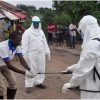
Why Nigeria Knows Better How to Fight Corona Than the US
The coronavirus disease, otherwise known as COVID-19, was first reported in Wuhan, China on the last day of December 2019. When it began to spread rapidly, the World Health Organisation (WHO) declared it a public health emergency of international concern on 30 January 2020.
Fight, Not Flight, Must Be the Strategy for Flattening the COVID-19 Curve
The number of coronavirus cases in Kenya has jumped to three after the government confirmed two more cases. President Uhuru Kenyatta has announced a raft of proactive measures to prevent the spread of the virus.
Rural Poverty and Disability in Ethiopia
With about 109 million people, Ethiopia is the second most populous nation in Africa after Nigeria, and the fastest growing economy in the region. However, it is also one of the poorest, with a per capita income of $790.
Current Laws Cannot Protect Zimbabwe’s Women from Sex Trafficking
Similo Ntuli* looks like a ordinary, fashion-savvy woman in her twenties. As a hairdresser and beauty therapist in Bulawayo, Zimbabwe's second-largest city, Ntuli has her finger on the pulse of the latest styles and trends. But she also has, what she admits, are dark secrets.
On 8th March – and All the Other Days: Each for Equal
Development efforts over the past two decades have seen millions of people freed from poverty and hunger, and inequalities reduced worldwide. This is an undoubted achievement, but is no reason for complacency. The fact is that inequality between men and women, between boys and girls, remains not only a social justice concern, but one of the impediments on development in countries across Africa and beyond. Addressing such inequalities is a duty for all of us, and one which is at the heart of the theme of this year’s International Women’s Day on 8th March: Each for Equal.
Realising Women’s Rights Difficult for Africa’s Fragile States
Pokot girls are expected to face the knife stark naked and with courage. To inspire confidence, their fathers sit a few metres away from them with a spear in hand.
Target Men to Reach Our HIV Goals
Women are the face of HIV in Africa, yet four of every 10 persons living with HIV in East and Southern Africa are men. Despite higher rates of HIV infection among women, more men living with HIV are dying.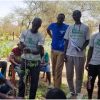
Senegal Farmer Succeeds with Regenerative Agriculture & Begins Teaching Others
Souylemane Samb sits under a crowded tent on a hot Senegalese day. He wears a canvas vest with Trees for the Future printed across the back.
Climate-Smart Agriculture means More Time for Eswatini Women Farmers
Aside from the seven hours Mantfombi Msibi (63) would spend daily during the Eswatini farming season planting, applying herbicides and weeding her 1.2-hectare maize field, she would also spend E1 750 ($125) on tractor services. It was a huge cost of both time and money. But this season, Msibi will be benefiting from climate-smart farming technology that has opened up a new world of farming to her, saving her time in the process.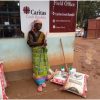
Biofortified Crop Project Reaches Refugees in Zambia
The Mutwales farm a small plot of land in the camp, growing primarily cassava and maize for food. They are also one of the 105 refugee farming families participating in an initiative during the 2019/2020 growing season to help them cultivate nutritious, vitamin A-biofortified orange maize, which was developed by the International Maize and Wheat Improvement Center (CIMMYT) in partnership with HarvestPlus.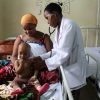
Child Death Grief a Public Health Threat
Grief over the loss of a child poses a threat to public health in Sub-Saharan Africa, as nearly two-thirds of mothers in some countries suffer the death of at least one child, a study has found.
Tanzania Investigative Journalist Pays Heavily for Freedom
After six months in prison, Tanzanian investigative journalist Erick Kabendera has finally been released at a cost of $118,000.
Ugandan Farmer Ends Food Insecurity for Family & Community
In Aboke, Uganda, a modest restaurant serves locals breakfast, lunch and dinner. Carol Agoa isn’t just the owner and cook, she also supplies all of the food for her restaurant.
Zimbabwe’s Thin Line between Child Smuggling and Child Trafficking
Elton Ndumiso*, a bus-conductor who works the route from Zimbabwe’s capital, Harare, to neighbouring South Africa, sees it all the time: Zimbabwean women travelling with three or four children, who are clearly not their own kids, and taking them across the border.It’s a crime that most bus drivers or conductors either turn a blind eye to, or become accomplices in by assisting the women.

U.S. President’s Global Gag Rule is Having Negative Impact on the Health of Malawians: Report
A report released last week has detailed the complex ways in which President Donald Trump’s ‘Global Gag Rule’ (GGR), that blocks U.S. global health assistance to foreign non-governmental facilities providing abortion or abortion-related services, is affecting the population in Malawi, a country already hard hit with numerous climate change disasters.
How Nigeria’s Police used Telecom Surveillance to Lure & Arrest Journalists
As reporters for Nigeria’s Premium Times newspaper, Samuel Ogundipe and Azeezat Adedigba told CPJ they spoke often over the phone. They had no idea that their regular conversations about work and their personal lives were creating a record of their friendship.
Will Zimbabwe Allow Freedom of Airwaves and Freedom of Speech too?
Zimbabwe is making fresh commitments to open up its airwaves with government promising to issue licences to private television and community radio stations before the end of the year.
Why Trade in Services Matters for Development and Inclusiveness in Africa
The rise of the services economy around the world represents a profound transformation that offers significant opportunities for countries' sustainable development strategies.
From Cocoa to Chocolate, Made With Love in Africa
A premium chocolate maker in São Tomé and Príncipe is on a drive to promote the taste for "made in Africa" chocolate, and tap into a $100 billion global indulgence associated with Valentine’s Day.
The Hammer of Justice for Sexual Assault Victims Must Be Swift, Loud and Consistent
Every year Valentines Day is celebrated with great relish & celebration. People show their affection for another person or people by sending cards, flowers or chocolates with messages of love.
Desert Locusts Invade East Africa
Widespread hatching and movement of destructive desert locusts will turn into a full-blown crisis in the coming weeks in East Africa and neighbouring countries, the UN Food and Agriculture Organization warns.« Previous Page — Next Page » *#*

The Week with IPS

NEXT STOP - SDGs
Tracking global progress towards a sustainable world
Tracking global progress towards a sustainable world
