Languages
Wednesday, November 11, 2026



News and Views from the Global South
Global

Extremists Harm Image of Islam and Pakistan
Every time, breaking news of a barbaric crime or terror act is reported from anywhere in the world, peace-loving Muslims the world over feel dejected and wish it had not been another tragedy that will make others glower at them with suspicion as though they too are complicit in the crime.
When the Glass House by the East River Exploded in Laughter….
Created in 1945 following the devastation caused by World War II, the United Nations was mandated with the task of maintaining international peace and security as one of its primary political missions. But the seriousness of its far-reaching mandate has been tempered by occasional moments of levity which have rocked the “glass house by the east river” with laughter -- as recounted in a newly-released book on the United Nations titled “No Comment –and Don’t Quote me on That”.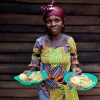
How Vitamin-Enriched Foods can be the Gateway to Better Long-Term Nutrition
When one in five pre-school children is stunted due to chronic undernutrition, it is clear that global diets urgently need to improve and diversify to include more nutrient-rich fruits, vegetables and animal-source foods.
Q&A: Femicides, Domestic Violence and Online Violence Have Been Exacerbated
"The level of injustice in the world cannot go on like this…I am not pessimistic about the future," said Gladys Acosta, president of the CEDAW Committee, in an interview with IPS in the Peruvian capital.
Plastic Trash in the Ocean is a Global Problem, and the US is the Top Source
Plastic waste of all shapes and sizes permeates the world’s oceans. It shows up on beaches, in fish and even in Arctic sea ice. And a new report from the National Academies of Sciences, Engineering, and Medicine makes clear that the U.S. is a big part of the problem.
ECW Joins Call to Action on Protection from Gender-Based Violence in Emergencies: Global Community Urged to Orange the World and End Gender-Based Violence Now
The statistics are dire: One in three women have experienced a form of gender-based violence in their lifetime, be it sexual violence, physical violence, or child marriage. The message is clear: Women and girls deserve a safer, brighter future – free from gender-based violence.
A Call to End the Cycle of Discrimination and Exclusion of Iraqi Women
As a feminist activist and defender of women’s rights in Iraq, I would like to share with you my growing concerns about the assassinations, kidnappings, assaults, threats of assassination against and defamation of feminist activists and human rights defenders, which they have faced especially during the popular protests in October 2019–2020, all of which have occurred with impunity.
Future Fertility Fantasies
Many low fertility countries are having future fertility fantasies. It’s time for them to end those fantasies and prepare for a future of below replacement fertility with demographic ageing and without immigration declining populations.
Refugee Voices Matter – Nothing about Us, Without Us
Over the past two years, the global refugee response has been tested. The world is being rocked by the greatest pandemic in over a century, while waves of refugees have fled from Afghanistan, Myanmar, Belarus, and Tigray. So, where do we go from here? Next week, the international community will convene to take stock of the successes and shortcomings of the Global Compact on Refugees (GCR), a unique multilateral mechanism built to ensure the protection of one of the most vulnerable populations. This marquee Compact is up for review, but unlike other review processes, the participation of the people whose lives are shaped by the decisions to be made in the review process will be marginal. Unfortunately, only 1 in 50 of the invited attendees at the UNHCR High-Level Official’s Meeting (HLOM) to discuss the GCR are refugees.
Climate Change: Adapt for the Future, Not the Past
Funding for developing countries to address global warming is grossly inadequate. Very little finance is for adaptation to climate change, the urgent need of countries most adversely affected. Also, adaptation needs to be forward-looking rather than only addressing accumulated problems.
All Humans Are Born Equal in Rights? That’s Still Far from Being True
”All human beings are born free and equal in dignity and rights.” These words are a sound introduction to the transcendental issue of human rights and equalities, as stated by the 1948 Universal Declaration of Human Rights (UDHR).
Global Arms Industry Thrives Amid Worldwide Pandemic Devastation
The 21-month long pandemic, which began with the outbreak of the deadly corona virus back in March 2020, ravaged hundreds and thousands of businesses and industries resulting either in widespread losses, closures or bankruptcies.
Zero-Leprosy in Pandemic: Experts, Advocates Discuss New Strategies
As 2021 nears its end, public health systems worldwide remain severely strained by COVID 19, which is showing no sign of ending. But even as countries battle to control the deadly pandemic, they must also maintain the progress made against other diseases, including leprosy, global leprosy experts and advocates have urged.
Social Distance, Science and Fantasy
In these times of COVID isolation, social distance get on the nerves of several of us and the effects may be long-lasting, even endemic. Many schoolchildren have interacted and still meet with their teachers through computer networks, while the same phenomenon applies to their contact with others. Technical devices are with an ever-increasing scope becoming an integral part of all communication, teaching, and entertainment, in short – of social interaction. When it comes to education, given all the poor and even harmful educators we are forced to encounter during our lifetime, mechanization of education might be perceived as a step forward. Nevertheless, too much dependence on the internet might undoubtedly have its pitfalls; contributing to an abstraction of our existence where real adventures and life-changing encounters with other human beings become all the rarer. The world may be demystified, losing its wonder and magic.
Big Tobacco Industry Rides COVID-19 Pandemic as Countries Grapple for a Response
Almost two years into the COVID-19 pandemic, many countries in the developing world continue to grapple with basic issues such as securing sufficient vaccines and providing essential medical care for their sick. Many economies are in recovery mode as governments scramble to resuscitate them with recovery packages and build back better plans.
Clean Energy Alone Won’t Uplift Impoverished Nations — We Must Invest in People
Last month, at the COP 26 climate conference in Glasgow, a consortium of philanthropies, led by The Rockefeller Foundation, announced a massive program to fund renewable electricity projects for impoverished people in developing countries.
Volunteerism: Central to the Creation of a New Social Contract
The International Volunteer Day, on December 5, is not just one of the many internationally observed days that the United Nations commemorates annually.
African Network Fosters Unity, Fights Gender Discrimination & Advances Sustainable Development
The widespread 21-month-old lockdown, triggered by the corona virus pandemic, had a destructive impact on the global economy, claimed over 5.2 million lives, destabilized governments and radically changed lifestyles worldwide.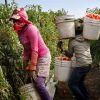
Call It ‘Old’, ‘Contemporary’, ‘Modern’ or Whatever: It Is Slavery
No matter what it is called -- it is the abhorrent daily life of a billion enslaved humans. The real number of “modern” slaves is understandably unknown. The International Labour Organisation (ILO) estimates that more than 40 million people worldwide are victims of modern slavery.
Inequality is Set to Kill Millions – “We Have to Fight it Together.”
This week I called out to the world to warn them that inequalities are making us all unsafe. I noted starkly our new analysis that we face millions of additional AIDS deaths – 7.7 million in the next decade alone – as well continued devastation from pandemics, unless leaders address the inequalities which drive them. We have to treat this threat as an emergency, as a red alert.
How Inequality Drives HIV in Adolescent Girls and Young Women
Despite the advances that have been made against HIV, the world has 37 million people living with HIV. And 680,000 people died from AIDS-related causes in 2020. While the prevention of mother to child transmission, and provision of treatment as prevention, are great successes, there are still gaps. Over 1.5 million new HIV infections were recorded in 2020.« Previous Page — Next Page »





The Week with IPS

NEXT STOP - SDGs
Tracking global progress towards a sustainable world
Tracking global progress towards a sustainable world
