Languages
Friday, October 9, 2026



News and Views from the Global South
Middle East & North Africa

Lebanon Joins Jordan and Tunisia in Fight Against Rapists Impunity
The top United Nations human rights official hailed the repeal of laws in Lebanon, Tunisia and Jordan that used to allow rapists to avoid criminal prosecution by marrying their victims.
Jordan Abolishes Law Allowing Rapists to Avoid Prosecution
In just three weeks time, two Arab countries adopted major steps to combat violence against women, with Jordan abolishing a law allowing rapists to avoid prosecution by marrying their victims, while Tunisia adopting its first national law to prevent gender-based violence and provide support to survivors.
Civilians Increasingly Bearing Burden of Armed Conflicts in Arab Region
The war in Syria has now entered its 6th year and is becoming the world’s worst man-made disaster.
Jordan Makes Strides Toward Inclusive Green Economy
Jordan may be one of the smallest economies in the Middle East, but it has high ambitions for inclusive green growth and sustainable development despite the fact that it lies in the heart of a region that has been long plagued with wars and other troubles, says the Director-General of the Global Green Growth Institute (GGGI) Dr. Frank Rijsberman.
Zaatari Camp Marks Fifth Year With 80,000 Refugees
Jordan’s Zaatari camp, which opened in 2012 as a makeshift camp to house Syrian refugees fleeing the war, marked its fifth year on June 28.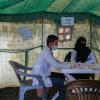
Yemen Records 400,000 Cholera Cases
The directors of the UN Children’s Fund (UNICEF), World Food Programme (WFP) and World Health Organization (WHO) released a joint statement today shedding light on a deadly cholera epidemic engulfing war-torn Yemen.
No Justice, No Peace for Yemeni Children
Human rights groups are urging the UN Secretary-General to include the Saudi-led Coalition (SLC) in a child rights’ “shame list” after documenting grave violations against children.
The Arab Youth Bulge and the Parliamentarians
More than ever before, the Arab region now registers an unprecedented youth population growth while facing huge challenges such as extremely high unemployment rates --more than half of all regional jobless population--, and inadequate education and health provision, in particular among young women.
Death Toll Rises in the Mediterranean Sea as EU Turns Its Back
The failure of European Union (EU) to buckle up safety for migrants and refugees reaching its shore has been condemned by Amnesty International in a report today.
“Long March to Justice”: Appointed Judge to Investigate Syrian War Crimes
A former French judge has been appointed as the head of an independent team tasked with investigating war crimes in Syria.
Mideast: Water Use Innovations ‘Crucial’ to Face Climate Change
In the Near East and North Africa region, the per capita renewable water availability is around 600 cubic metres per person per year --only 10 per cent of the world average- and drops to just 100 cubic metres in some countries, the United Nations warned.
Is the United States Preparing for a War in Syria?
Although US policies during the past few months have been quite puzzling and unpredictable, the events of the past few days have been truly bewildering and alarming. On Monday 26th June, the White House released a statement saying that the United States had “identified potential preparations for another chemical attack by the Assad regime…” It went on to say: “If, however, Mr. Assad conducts another mass murder attack using chemical weapons, he and his military will pay a heavy price.”
Civilian Casualties Rise in Raqqa as Fighting Intensifies
As US-backed Syrian rebels plow ahead in the fight to take back Raqqa from the Islamic State in Iraq and the Levant (ISIL) in Syria, the stake of civilian lives, who number as many as 100,000 in the city, has raised concerns among top UN officials.
Did Arab Coalition Threaten to Pull Out of UN in Protest?
When Saudi Arabia – which has been spearheading a coalition of Arab states in a devastating war against Yemen since 2015 – was accused of bombing civilians, and particularly children caught up in the conflict, the government in Riyadh threatened to cut off humanitarian funding to the world body.
Refugee Protection an Obligation Under International Law
It is impossible to be ten years as High Commissioner for Refugees, doing my best to try to help the most vulnerable of the vulnerable, without changing your life. And, indeed, not only witnessing the suffering of people but also learning [about] the extraordinary courage, resilience and capacity to permanently generate hope of refugees is something that has changed my perspective of the world and, to a large extent, changed my life.
Half of World’s Civilian War Deaths Occurred in Syria, Iraq and Yemen
Between 2010 and 2015, nearly half of all civilian war deaths worldwide occurred in Syria, Iraq and Yemen, a major independent, neutral organisation ensuring humanitarian protection and assistance for victims of war and armed violence informs.
VIDEO: Yusra Mardini, A Young Refugee, Finds Safety in Her New Home
 The United Nations Department of Public Information has launched a new animated video on the dramatic story of Yusra Mardini, a young refugee from conflict-torn Syria who achieved her dream to compete in the Olympics last year. Yusra Mardini was appointed as a Goodwill Ambassador for the United Nations High Commissioner for Refugees, the UN Refugee Agency (UNHCR) on 27 April 2017. The video was produced by the Education Outreach Section in support of the Together Initiative to mark World Refugee day on 20 June and highlight the advent of the International Day of Peace on 21 September.
The World Society Needs to Express Greater Solidarity for Refugees Worldwide
The world is heading into troubled waters as we are witnessing an unprecedented movement of people – refugees, migrants and internally displaced persons (IDPs) alike – fleeing from misery, poverty and conflicts. The refugee crisis that has swept across Europe and the Middle East is becoming the 21st century’s most protracted crisis with no immediate solution in sight. The world has not witnessed a more complex movement of people since the end of the Second World War; thousands of human beings undertake perilous and treacherous journeys in hope for a better and a safer future. Many of them perish during these hazardous journeys.
Housing Refugees of the Middle East Conflicts: Where Will They Go?
Prolonged conflicts in the Middle East have led to a deadly humanitarian crisis, with as many as 17.5 million people displaced in Syria, Iraq and Yemen.
Drought Pushes 1 in 3 Somalis to a Hunger Knife-Edge
Another famine in former European colonies in Africa and another time in its Eastern region, with Ethiopia and Somalia among the major victims of drought and made-made climate disasters mainly caused by US and European multinational business.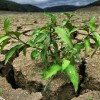
Mideast: Drought to Turn People into Eternal Migrants, Prey to Extremism?
Worldwide, land degradation, severe droughts and advancing desertification are set to force populations to flee their homes and migrate. In the specific case of the Middle East and North of Africa (MENA), such an obliged choice implies the additional risk to turn peoples into easy prey to extremist, terrorist groups.« Previous Page — Next Page »





The Week with IPS

NEXT STOP - SDGs
Tracking global progress towards a sustainable world
Tracking global progress towards a sustainable world
