Languages
Sunday, November 29, 2026



News and Views from the Global South
Regional Categories
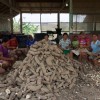
Soy, an Exotic Fruit in Brazil’s Amazon Jungle
In the northern Brazilian state of Pará, the construction of a port terminal for shipping soy out of the Amazon region has displaced thousands of small farmers from their land, which is now dedicated to monoculture.
Draft in Hand, Ministers in Paris Enter Last Week of Climate Talks
Whatever effort there was made during the past four years to create a global legal architecture to combat climate change, its legacy will be defined in the forthcoming days.
Pakistan Moves to Stop Biodiversity Loss
Pakistan has framed a biodiversity conservation and protection plan aimed at stemming biodiversity loss, restoring ecosystems and promoting sustainable use of natural resources for the wellbeing of the present and the future generations.Climate Talks in Final Phase With No Resolution on Funding
As the Paris climate talks move to its conclusion Friday, civil society groups are expressing serious concerns about the continued deadlock on a proposed package for funding amounting to about 100 billion dollars a year by 2020.Africa Hangs its Agricultural Transformation Agenda on COP 21’s Outcome
A famous saying goes: To whom much is given, much is expected. This is the message that the African Development Bank (AfDB) is carrying and delivering for, and on behalf of Africa at the global conference on climate change, COP21, which opened Monday, 30th November.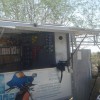
Solar Kiosks Help Light up Rural Kenya
This market centre in the arid Lake Magadi region, Kajiado of Southern Kenya is with no grid electricity. The area is inhabited by the pastoralist Maasai community. With climate change affecting their pastoral way of life, the community is increasingly adopting a more sedentary life but without amenities.
Making the Case for Caribbean Fishers at Paris Climate Conference
Horace Walters has made the 6,903km journey from his native St. Lucia to Paris to deliver a simple, yet urgent message to the international community.
Antigua: Surrounded by Sea but Catchments are Empty
Antiguan Veronica Yearwood no longer panics when she hears that the rainfall forecast for the tiny Caribbean island is again lower than average rainfall.
Vertical Farming – Agriculture of the Future
Infrared thermometer in hand, Nelson Pérez checks the water temperature in the trays where dozens of small lettuce plants are growing in a nutrient-rich liquid in this vertical farm in Panama.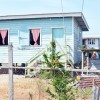
Climate Change and Floods, the Uninvited Guests of Guyana
Mrs Doodnauth is being interviewed about the fact that the effects of climate change are what led the family to abandon their home and farmlands in the Mahaica Creek and relocate to an area identified by the authorities. She was clear climate change was not the reason.- “And what’s the reason?”
Nicaragua: “Only Way to 1.5 – 2 Degrees is out of Top 10 Emitters”
On the first day of the 2015 Climate Conference, Nicaragua became the first country openly refusing to comply with the United Nations mandate to submit a climate pledge.
Middle East Part II – 99.5 Years of (Imposed) Solitude
One hundred years ago, on 6 May 1916, two men, Briton Sir Mark Sykes and French diplomat François Georges-Picot, were entrusted by their respective governments with a rather exceptional task.
Climate Change Will Increase Damage, Losses in Coastal Communities
Residents of Rocky Point, a sleepy fishing village on Jamaica’s south coast, woke up one July morning this year to flooded streets and yards. The sea had washed some 200 metres inland, flooding drains and leaving knee-deep water on the streets and inside people’s home, a result of high tides and windy conditions.Climate Summit May be Heading for a Showdown Over Financing
The two-week long Paris summit, which is expected to adopt a landmark international treaty on climate change by mid-December, may be heading for a political showdown over one of the most controversial issues at the ongoing talks: financing.
Blackmail Politics Is the Name of the Game in Brazil
The aim to impeach President Dilma Rousseff is no longer merely a threat that was poisoning politics in Brazil. Now it may be a traumatic battle, but in the light of day.
Aspects of Dualism in the Gulf
The crash in oil prices is not the only challenge confronting the Gulf States in West Asia. Economic disorder and lack of opportunity are contributing to instability in the region, stated Bahrain’s minister for industry, commerce and tourism, Zayed Al Zayani, while kicking off the recent IISS Bahrain Bay Forum. He emphasized the need for “unprecedented” economic reform across the Gulf in the wake of the lower oil revenues. These policies include the generation of millions of jobs for the youth in these economies that continue to depend heavily on expatriate labour from India, Pakistan, Bangladesh and Philippines.
Addressing Climate Change and Poverty as one in Malawi
The government of Malawi has been struggling to end poverty since independence in 1964, banking its strategies on the proceeds from its agro based economy. Sadly, climate change entered the scene and dramatically disrupted the farming sector.
Climate Deal Needs Enough Public Financing
Investing in a low carbon infrastructure, particularly renewable energy, is key to addressing climate change. The really big investment challenges are in the developing world where access to modern energy services is far below what is needed to achieve the Sustainable Development Goals; indeed, almost two billion people still lack access to electricity.
The Over-Written, Under-Reported Middle East – Part I: Of Arabs and Muslims
Of all over-written, under-reported issues and regions, the Middle East is perhaps one of the oldest, outstanding ones.
Avocados Reap Rewards in Kenya While Staple Corn Withers
Maize farming in Kenya is becoming a loss making venture and farmers who depended on the crop’s popularity for years are forced to abandon it for safer and more money making opportunities.
Saving the Arctic Requires Action on Climate Change and Air Pollution
Arctic temperatures have increased twice as much as the global average in the past 100 years. Recent photos show that thousands of walruses normally resting on sea ice between dives to find food have been forced to crowd ashore because of extreme sea ice melt in Alaska. Such photos have once again reminded us that it is high time we take serious action on climate change if we want to save the Arctic.« Previous Page — Next Page »


The Week with IPS

NEXT STOP - SDGs
Tracking global progress towards a sustainable world
