Languages
Wednesday, November 18, 2026



News and Views from the Global South


Keeping the Veil on Women’s Electoral Participation
Cameroon’s new biometric registration of voters may end up disenfranchising many potential voters, especially women in the country’s predominantly Muslim north where cultural practices may prevent them from having their photos taken.Low Wages, No Labour Rights the Norm in Mexico
Miguel* is one of millions of Mexicans scraping by on a meagre income – he earns 60 dollars a week working 11 hours a day in an electronic products store in the northern city of Mexicali.Mankind Approaching ‘Carbon Cliff’, Report Warns
A new international business report warns fossil fuel use is pushing humanity towards a catastrophic overheating of the planet, with temperature increases of four or even six degrees Celsius. No major developed or developing country is doing anything close to what's needed to prevent large parts of the planet from becoming uninhabitable, the report found.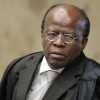
Winds of Racial Change in Brazil
The appointment of Judge Joaquim Barbosa, seen as a popular hero because of his performance in one of Brazil’s highest-profile corruption cases, as the first black president of the country’s Supreme Court on Nov. 22 will be a landmark in national history.
Rights Community Welcomes First U.N. Statement on Tibet
Human rights workers and Tibet-focused activists are hailing a strongly worded statement by the United Nations' top official on human rights, drawing attention to growing public discontent in Tibet just ahead of a major leadership shuffle that will reverberate throughout the Communist Party of China.
In U.S., Corporate Cash Pouring into State Campaigns
Local and state campaigns have become a moneyed battleground this year for corporations and special interest groups hoping to sway the results of elections for local and state offices on Nov. 6.
Narco-States Grope for New Strategy*
Mexico, Colombia and Guatemala face the need to modify their approach to the fight against drug trafficking and are urging the world to do the same. But Mexico and Colombia’s willingness to make the necessary changes is unclear.
A Posthumous Message from Hurricane Sandy*
Hi, this is Sandy. By the time you read this, I’ll be gone, after dissipating into increasingly weaker remnants of strong winds, heavy rains and snowfall in the Great Lakes region of North America.**
Kenyan Candidate Running Against Homophobia
During an interview at the Hilton Hotel in downtown Nairobi, David Kuria Mbote, Kenya’s first openly homosexual candidate for public office, stresses that his campaign will not be only about gay rights.Serbia Sinks Into Depression
Renato Grbic is a simple Belgrade fisherman, who grew up on the shores of the Danube River in Belgrade, but he performs an additional job that he is not paid for.
Parents Worry After Malala Attack
Young schoolgirls seemed undeterred by the attempt to kill Malala Yousafzai, but parents in northern Pakistan are becoming increasingly concerned over their children going to school.
Q&A: Exposing the Good, the Bad and the Lack of Media Freedom
Pansy Tlakula, the African Union's Special Rapporteur on Freedom of Expression and Access to Information, has done her best to address the continued harassment of journalists in the Gambia.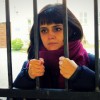
Migrants in Poland Find a Voice At Last
It took hunger strikes and a case like Layla Naimi’s to push authorities in Poland to amend laws dealing with irregular migrants.
U.S. Impatient with African Response to Northern Mali Conflict
Despite growing western concerns about the continuing reign in northern Mali by an Al Qaeda-linked group, analysts here say it will take months before conditions could be ripe to oust it from the region, by military force if necessary.
Q&A: Food Production Accounts for 29 Percent of Greenhouse Gases
Food production, including agriculture, represent 29 percent of the greenhouse gases that are causing global warming, say scientists with the Consultative Group on International Agricultural Research (CGIAR).
Greening Havana
Sandra Ribalta is no longer satisfied with getting more and more people involved in the task of greening the neighbourhood of Las Cañas in the Cuban capital. She is now working to raise awareness of "climate change, as the key reason for reforestation."‘Getting Worse for Minorities in Pakistan’
Since the restoration of democracy in 2008, Pakistan has undertaken steps to uphold human rights, but the situation of minorities has only worsened, according to a group of NGOs. Dalits are in the worst state, facing both religious and social discrimination, they say.
Tribal Wars Threaten South Sudan Again
The huge Russian-made helicopter descended slowly towards conical mud huts clustered together and surrounded by endless grassland, lush and green with the season’s rains here in the South Sudanese village of Yuai.
Algeria Skips the Revolutionary Spring
As the Arab Spring continues to rage across the Middle East and North Africa, the gaze of the international media has largely passed over a country that was once known for its restive population, its long and bloody decolonisation struggle and revolutionary zeal.What Price Rice May Do
Rice remains the most popular staple in Guinea, but the high price of imported rice is pushing many consumers in this West African country to change their diet. Farmers have responded by rapidly expanding the land area planted with an alternative food crop: cassava.
Towns in Argentina Unite to Confront Climate Change
Over 30 small and medium-sized municipalities in Argentina are jointly developing policies for climate change adaptation and mitigation. The idea is to raise awareness and work together to help these communities cope with a global problem, say the promoters of the initiative.« Previous Page — Next Page »


Due to significant overlap in the themes and stories of interest to subscribers of both our European and UN newsletters, we have decided to consolidate both under the flag of IPS' popular daily TerravivaUN newsletter. Existing subscribers to the TerravivaEurope newsletter will continue to receive a daily selection of stories through the IPS TerravivaUN list and readers interested in global policy and development news from the EU, the UN and beyond are encouraged to subscribe below.

The Week with IPS

NEXT STOP - SDGs
Tracking global progress towards a sustainable world
Tracking global progress towards a sustainable world
