Languages
Thursday, November 19, 2026



News and Views from the Global South

Protests Rising Within China
Tens of thousands of residents in a Chinese city took to the streets last week to protest, forcing the government to scrap plans to build a copper plant. The incident is the latest in a rising number of localised protests as expression of public anger aimed at over-ambitious or corrupt officials in China over-boils.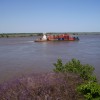
Asian Mussel Invasion Largely Ignored by Southern Cone Governments
The governments of most of the countries that share the Río de la Plata basin are doing little or nothing to halt the golden mussel invasion, despite the serious damages and losses it is causing.Iowa Firm Accused of Displacing Tanzanians for Profit
A major U.S. energy company, AgriSol Energy, is accused of engaging in land grabs in Tanzania that would displace more than 160,000 Burundian refugees who have lived there for decades, according to a report by the Oakland Institute, an organisation focused on environmental issues.
U.N. Showcases South-South Successes
Knowledge-sharing has become a cornerstone of successful cooperation among developing countries, in areas ranging from agriculture to health and renewable energies.
Scientists Declare State of Emergency for World’s Coral Reefs
Coral reef scientists urged local and national governments to take action to save the world's coral reefs and said they'd be "on call 24/7" to assist politicians and officials.
Norwegian Study Calls for Research on Natural Causes of Climate Change
While there is no doubt that global warming is primarily a consequence of human activities, it is also true that there are natural phenomena contributing to climate change as well.Locals Urge Fresh Negotiations on Padma Bridge Funding
Amidst continuing controversy over the World Bank’s recent decision to cancel a 1.2 billion-dollar loan to Bangladesh to assist in the construction of the Padma Bridge – which would have been the country’s largest ever development project, worth 2.9 billion dollars – most locals have expressed deep concern about the impact of such a move on one of the world’s least developed countries.The Guinean Women Who Earn a Little Coin From Gardening
Market gardening in the peri-urban areas of Conakry, the Guinean capital, is growing quickly, bringing in income for groups of women and giving them some autonomy.
OP-ED: World’s Ailing Oceans Find a New Dawn at Expo 2012
Gazing over the ocean somehow puts a human being at peace with the world. To build a home with a view of the sea is the dream of many. The expanse of water, the beach, and tide magically draw us to them.Amid Stormy Waters, Caribbean Tacks South
The Eurozone crisis and growing influence of countries like China and Brazil are leading the Caribbean to reassess its dependence on traditional trade and aid partners.
Coral Triangle Fights to Save Reefs from Extinction
The planet's richest region of coral and marine life, which feeds 130 million people, is in trouble.Europe Dithering on Tobin Tax
Despite the grave financial and sovereign debt crisis sweeping the region, the European Union has once again failed to reach unanimous approval of a proposition made by its executive body, the European Commission (EC), to tax financial transactions in order to reduce speculation and increase state revenues.
South Sudan Celebrates a Troubled First Birthday
The streets have been swept clean and lined with flags to mark the first anniversary of South Sudan’s independence. But cosmetic changes in the capital, Juba, mask deep concerns about the future of the world’s newest nation.
South Sudan’s Women Await Independence From Poverty
One year after the formation of South Sudan, the country’s women say that independence has not resulted in the positive political, economic and social changes that they had hoped for.Brazilian Environmental Activists Killed in Shadow of Rio+20
Far from the plush surroundings which hosted Rio+20, the most ambitious global conference on the environment of the past two decades, events in a fishing village in the state of Rio de Janeiro show the cost of fighting environmental crime can be as high as life itself.‘Reforms’ Legacy Rocks Romania Again
Romanian President Traian Basescu is close to being impeached after the Parliament suspended him Friday. The political crisis, however, distracts from citizens’ calls for a more responsive political class and a halt to declining standards of living.
Waste Not, Want Not – Providing for South Africa’s Food Security
As South Africa grapples with reducing its sanitation backlog, scientists seem to have found a way to reduce the build up while simultaneously combatting the country’s food insecurity. The solution? Safely using human waste as fertiliser.
Venezuela’s Mercosur Entry Sparks Dissension
By simultaneously admitting Venezuela into its fold and suspending Paraguay’s membership, Mercosur has sparked dissension within the trading bloc that threatens the future legal architecture of the Southern Common Market.
Overpopulation on Uganda’s Mount Elgon Kills Hundreds
The Ugandan government says it will forcibly remove people settling on the steep slopes of Mount Elgon in eastern Uganda’s Bududa District, as the growing population has resulted in increased landslides in recent years.
Fishermen Caught on a Political Hook
“The number will never come to zero and in a few months you will see as many captive fishermen, maybe even more to fill the prison barracks,” says Mohammad Ali Shah of the Pakistan Fisherfolk Forum (PFF), following the release of more than 300 Indian fishermen from Pakistani jails.
Q&A: Changing Argentina’s Energy Mix Will Take Intelligence and Time
The recovery of state control over the oil company YPF was a strategic move for Argentina, which is highly dependent on fossil fuels. But the country needs to incorporate cleaner sources of energy, and this will take time, says energy expert Mariana Matranga in this interview.« Previous Page — Next Page »


Due to significant overlap in the themes and stories of interest to subscribers of both our European and UN newsletters, we have decided to consolidate both under the flag of IPS' popular daily TerravivaUN newsletter. Existing subscribers to the TerravivaEurope newsletter will continue to receive a daily selection of stories through the IPS TerravivaUN list and readers interested in global policy and development news from the EU, the UN and beyond are encouraged to subscribe below.

The Week with IPS

NEXT STOP - SDGs
Tracking global progress towards a sustainable world
Tracking global progress towards a sustainable world
