Languages
Saturday, November 21, 2026



News and Views from the Global South


Getting to Better than Normal in a Post-COVID-19 World
Girls in Asia don't want to go back to normal – they want to go "back to better than normal", says Zara Rapoport, a delegate during an online seminar on the impact of the COVID-19 pandemic on gender.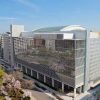
Disability Discrimination at the World Bank: Is it Immunity or Impunity?
The 15,900-strong World Bank, which has funded over 12,000 development projects worldwide since 1947, is an international institution with a superlative reputation for its sustained efforts to end poverty in the developing world—with loans, interest-free credit and outright grants.
IMF, World Bank Must Support Developing Countries’ Recovery
The COVID-19 pandemic continues to take an unprecedented human and economic toll, wiping away years of modest and uneven progress towards the Sustainable Development Goals (SDGs). Developing countries now need much more support as progress towards the SDGs was ‘not on track’ even before the pandemic.
Mexico Looks to the Heavens for a Solution to Its Water Crisis
In neighbourhoods like Tehuixtitla in southern Mexico City, rain brings joy, because it provides water for showering, washing dishes and clothes, and cooking, by means of rainwater harvesting systems (RHS).
Three Ways the US Can Promote Equity in Ending the COVID-19 Pandemic Globally
As richer western nations continue hoarding COVID-19 vaccines to the detriment of poorer nations, there is some light on the horizon. On April 15, 2021, the U.S. will join the Global Vaccine Alliance (GAVI) and co-host the launch of the Investment Opportunity for COVAX Advance Market Commitment.
Pandemic Accentuates Need for Caribbean Countries to Improve Food and Nutrition Security
Last year, Jaxine Scott was off work as a caregiver at a primary school as a result of the pandemic. One day, she noticed a green shoot emerging from some garlic in her fridge. She decided to plant it, and to her surprise, it thrived. “I thought ‘It looks like I have a green thumb, let me plant something else,’” Scott says. She now has a backyard garden, including cucumber, pumpkin, melon, callaloo, cantaloupe, pak choy and tomatoes. “It makes me feel good,” she says. “I can help my family members and neighbours. It has saved me money. I’m not going to stop, I’m going to continue,” she says.
Syrians are Victims of a War “We Did not Choose”
Syrians are among the greatest victims of this century, according to the UN Special Envoy for Syria, Geir Pedersen. Indeed, we are.
Should the 2021 Climate Summit in Glasgow Still Take Place?
Among the COVID-19 pandemic’s many damaging impacts, could a halt to international progress on environmental issues be added to the list?
Conserving Tigers, Elephants and Bison, One LPG Stove at a Time
As the sun sets over the canopy of Albizia amara trees, a thin blanket of fog begins to descend over the forests of the Malai Mahadeshwara Hills Wildlife Sanctuary, which lies roughly 150 km south of the Indian city of Bangalore. Not so long ago, plumes of smoke would rise from the hamlets dotting the forests as women busily cooked dinner for their families over wood stoves. But tonight, dinner will be a smokeless affair in dozens of villages as communities have opted for the use of liquefied petroleum gas (LPG), a clean burning fuel that has given a boost to the health and safety of both the forest and its people thanks to a unique conservation project.
UN Leadership Necessary for Fairer Tax Cooperation
Illicit financial flows (IFFs) hurt all countries, both developed and developing. But poor countries suffer relatively more, accounting for nearly half the loss of world tax revenue. IFFs refer to cross-border movements of money and other financial assets obtained illegally at source, e.g., by corruption, smuggling, tax evasion, etc. This often involves trade mis-invoicing and transnational corporations’ (TNCs) transfer pricing via ‘creative’ accounting or book-keeping.
Generation Equality: Women’s Leadership as a Catalyst for Change, Say 49 UN Women Envoys
March, women’s history month, closes with the Generation Equality Forum in Mexico and against the background of significant setbacks on the empowerment of women caused by the COVID-19 pandemic.
Farming-Specific Loans Help Tanzania’s Smallholders Increase Productivity
Small agricultural loans, disbursed through mobile phones and targeting specific farming activities at different phases of production, have more than doubled food productivity among thousands of smallholder farmers in southern and central parts of Tanzania over the past three years, improving their livelihoods.
Recipes with a Taste of Sustainable Development on the Coast of El Salvador
Salvadoran villager Maria Luz Rodriguez placed the cheese on top of the lasagna she was cooking outdoors, put the pan in her solar oven and glanced at the midday sun to be sure there was enough energy for cooking.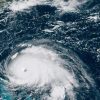
What’s in a Hurricane Name? Dorian, Laura, Eta & Iota Retired from WMO List
The World Meteorological Organization’s (WMO) Hurricane Committee decided at its annual meeting to retire four tropical cyclone names from its rotating list after assessing the record-breaking hurricane 2020 season.
Covid19 a Wake-up Call to Address Development Fault Lines in Asia and the Pacific
The world is emerging from the biggest social and economic shock in living memory, but it will be a long time before the deep scars of the COVID-19 pandemic on human well-being fully heal. In the Asia-Pacific region, where 60 per cent of the world lives, the pandemic revealed chronic development fault lines through its excessively harmful impact on the most vulnerable. The United Nations Economic and Social Commission for Asia and the Pacific (ESCAP) estimates that 89 million more people in the region have been pushed back into extreme poverty at the $1.90 per day threshold, erasing years of development gains. The economic and educational shutdowns are likely to have severely harmed human capital formation and productivity, exacerbating poverty and inequality.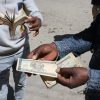
Developing Countries COVID-19 Debt Crisis Could Put SDGs & Climate Agreement Completely Out of Reach
The inability of developing nations to spend on post COVID-19 recovery and resilience has placed the world on the "the verge of a debt crisis". “We face the spectre of a divided world and a lost decade for development,” United Nations Secretary-General António Guterres said on Monday, Mar. 29, during a high-level meeting on financing development post COVID-19.
Identities
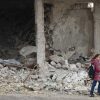
In Syria, a Decade of Death, Destruction, Displacement, Disease, Dread & Despair
The conflict in Syria is now ten years old. A decade of death, destruction, displacement, disease, dread and despair. I have spoken to Syrians in many parts of the country in recent weeks.
IMF, World Bank Must Urgently Help Finance Developing Countries
COVID-19 has set back the uneven progress of recent decades, directly causing more than two million deaths. The slowdown, due to the pandemic and policy responses, has pushed hundreds of millions more into poverty, hunger and worse, also deepening many inequalities.
Why Rehabilitation is as Vital as Rescue for Child Trafficking Survivors
Twelve-year-old Babloo’s (Name changed) parents, who worked as daily wage agricultural labourers in the eastern Indian state of Bihar, were finding it difficult to feed their family of six. They had recently lost their eldest son to sudden illness, when a distant relative convinced them to send Babloo with him to work in a city. He promised to pay Rs 5000 ($70) a month, a significant amount for the impoverished family.
Arab Region Counts Cost of Devastating COVID-19 Pandemic
More than eight million people moved onto the poverty line in the Arab region, a conference of Arab and Asian parliamentarians heard. The hybrid conference, held simultaneously in Beirut, Lebanon, and via video conferencing to delegates in Asia and the Arab region, was a follow up on earlier discussions on the regions' ICPD25 Commitments.« Previous Page — Next Page »


Want to keep up with the latest news and views from the Global South? Sign up for IPS Daily News Report for daily emails with our top stories about international development, climate change, gender and more. (Formerly IPS TerraViva since 1993).

The Week with IPS

NEXT STOP - SDGs
Tracking global progress towards a sustainable world
Tracking global progress towards a sustainable world
