Languages
Sunday, November 8, 2026



News and Views from the Global South
Africa
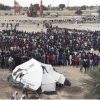
Migrants, Militias & the Mediterranean Sea
When the Italian police recently arrested Carola Rackete, captain of the Sea-Watch 3 search and rescue vessel, the Central Mediterranean Sea suddenly entered the international limelight once again.
Community Action Is a Critical Weapon in the War on Terror
During the egregious Dusit attack, Kenya demonstrated remarkable, resilience, solidarity and stood firm against the terrorists.
In Era of Reform, Ethiopia Still Reverts to Old Tactics to Censor Press
On June 22, Ethiopia was plunged into an internet blackout following what the government described as a failed attempted coup in the Amhara region.
The Libyan Disaster: Little Bits of History Repeating
The Libyan catastrophe and the suffering of ”illegal” migrants are generally depicted as fairly recent events, though they are actually the results of a long history of greed, contempt for others and fatal shortsightedness. Like former Yugoslavia, Libya was created from a mosaic of tribal entities, subdued by colonial powers and then ruled by an iron-fisted dictator. Now, Libya is a quagmire where local and international stakeholders battle to control its natural resources. The country holds the largest oil reserves in Africa, oil and gas account for 60 percent of GDP and more than 90 percent of exports.1 This is one reason why Egypt, France, Russia, Saudi Arabia, the U.S., and many other nations are enmeshed in Libya. Furthermore, European nations try to stop mainly sub-Saharan refugees and migrants from reaching their coasts from Libya. An attempt to understand Italy´s essential role in the struggle over Libya´s oil and attempts to control unwanted immigration may help to clarify some issues related to the current situation.
Africa’s Megacities a Magnet for Investors
Megacities, cities with a population of at least 10 million, are sprouting everywhere in Africa. Cairo in Egypt, Kinshasa in the Democratic Republic of the Congo (DRC) and Lagos in Nigeria are already megacities, while Luanda in Angola, Dar es Salaam in Tanzania and Johannesburg in South Africa will attain the status by 2030, according the United Nations.
Media and Web Freedom Threatened in Sudan Turbulence
The United Nations has condemned an internet shutdown and the blocking of social media channels during Sudan’s political crisis, as fears persisted over a crackdown on media freedoms in the turbulent African country.
Of Leaders Then and Now
Richard Dossevi parks his motorcycle taxi on one of the busiest street corners in Cotonou, Benin's commercial capital, to wait for commuters amid the summer heat.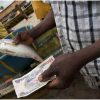
Africa’s Free Trade Area Misses Nigeria
When Africa’s free trade area launches on 7 July, a key player will be missing. However, Victor Adetula, head of research at Nordic Africa Institute (NAI) in Sweden, predicts that Africa’s largest economy, Nigeria, will gradually open up and join the project.
Zero Population Growth vs Population Control
Knowledge is power, but with the caveat that said knowledge is based in fact. Otherwise, it’s misinformation.
Libya Tragedy: Why Lock up Migrants in the First Place?
A military strike on a detention centre for migrants in Libya that claimed dozens of lives on Wednesday Jul. 3 has reignited a debate over the poor treatment of the mainly African people who transit through the turbulent country.
Food From Thought
As the weather continues to change and land becomes degraded, the socio-economic security implications are vast. In an effort to tackle these issues, climate-smart agriculture is quickly gaining traction around the world.
Kenya’s March Towards Demographic Dividend with Investments in Health Sector Partnering with The Netherlands
Demographic dividend is a term which is increasingly preoccupying discussions among development economists and the donor community in general in Kenya. The term refers to countries with the greatest demographic opportunity for development and those that are ushering in a period in which the working-age population has good health, quality education, decent employment and a lower proportion of young dependents. Smaller numbers of children per household generally lead to larger investments per child, more freedom for women to enter the formal workforce and more household savings for old age. When this happens, the national economic payoff can be substantial, and this is the demographic dividend.
Fighting Food Insecurity in Africa – Lessons from the United States
The U.S Agency for International Development (USAID) Administrator Mark Green recently concluded a one-week visit to USAID-funded programs at several African countries, including the Democratic Republic of Congo, Rwanda, Kenya and Mozambique. His goal was to promote sustainable paths to self-reliance, including in the context of food security programs.
World’s Poorest Nations Weighed Down by Fastest Growing Populations
With a new report projecting a rise in population, specifically in Asia and Africa, the United Nations has warned that continued rapid population growth presents enormous challenges for sustainable development in the world’s 134 developing nations.
Patriotism versus Hope: Eritreans Wrestle with Leaving Home or Remaining
Most media narratives about Eritrea suggest an endless stream of young people fleeing the country, who couldn’t wait to escape. But the reality is far different and more nuanced—both when it comes to those who have left, and those who chose to remain.
Sudan’s Fragile Hope for Democracy
Sudanese civilians risk their lives everyday protesting and campaigning for democracy but they face several obstacles, including street closures and no Internet access.
Sharing the Burden of Refugees; the World Can Do Better
As the world marks World Refugee Day on June 20th to celebrate the strength, courage and perseverance of refugees, a glaring concern remains just how inadequate the global response to the refugee crisis has been.
Rising Population Trends Threaten UN’s Development Goals in Asia & Africa
The world’s developing nations, currently fighting an uphill battle in their attempts to implement the UN’s Sustainable Development Goals (SDGs), are facing another stark demographic reality: a rise in world population by 2.0 billion people in the next 30 years: from 7.7 billion to 9.7 billion in 2050.
As Sudan Struggles, AU Should Press for Justice and Accountability
On June 6, the African Union (AU) suspended Sudan from the 55-member group with “immediate effect.” The move came in response to a deadly crackdown on peaceful protesters in Khartoum, in which government forces, led by the paramilitary Rapid Support Forces (RSF), tore through a sit-in in the capital killing at least 108 people, and wounding hundreds. The AU’s decisive action has been widely applauded, but suspending Sudan is not enough.
South Africa’s First Carbon Farm
Land restoration could attract large private investments in the fight against climate change over the coming decades, if Governments and the United Nations put the right incentives and conditions in place.
The Storm is Over, But in Southern Africa, Cyclone Idai Continues to Rage for Women and Girls
In late March Cyclone Idai carved a path of devastation across Zimbabwe, Mozambique, and Malawi. It was the deadliest cyclone to hit the region in more than a century, others have even referred to it as “Africa’s Hurricane Katrina.” More than 1,000 people were killed. Many more saw their homes, food crops, and even entire villages washed away.« Previous Page — Next Page »





The Week with IPS

NEXT STOP - SDGs
Tracking global progress towards a sustainable world
Tracking global progress towards a sustainable world
