Languages
Saturday, November 7, 2026



News and Views from the Global South
Global
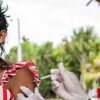
To Beat Covid, Beat HIV, & Beat Inequality, Find the Money
In this time of intersecting crises – the Covid crisis, the HIV crisis, the inequality crisis, and more – progress on all these crises is being blocked by another crisis: finance.
People Power: Why Mobilisations Matter Even in a Pandemic
It has been one year since the police murder of George Floyd, an outrage that resonated around the world. The killing forced people to the streets, in the USA and on every inhabited continent, to demand respect for Black lives and Black rights, proving that protest was essential even during the pandemic.
Not Without My Hijab: Why Representation in Sports Matter
In 2016, when Bosnian-American professional basketball player, Indira Kaljo got in touch with Asma Elbadawi because she had been forced to give up playing basketball after she started wearing the hijab, they decided to take it up with the International Federation of Basketball (FIBA), the sports governing body to change its rules on headgear.
Developing Countries Desperately Need COVID-19 Financing
Failure to sufficiently accelerate comprehensive efforts to contain COVID-19 contagion has greatly worsened the catastrophe in developing countries. Grossly inadequate financing of relief, recovery and reform efforts has also further set back progress, including sustainable development.
Why Our Best Defence Against Future Pandemics is Data
Although the World Health Organization’s (WHO) mission to discover its origins has proven inconclusive, the Covid-19 pandemic has nonetheless clearly highlighted the need for better care, attention, and investment in animal health systems.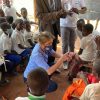
Q&A: Reflecting on Five Years of Educating Children in the Throes of Crises, Emergencies and Displacement
Education Cannot Wait (ECW), the global fund that brings teaching and learning to children in emergencies and protracted crises, is observing five years of reaching boys and girls in some of the world’s hardest-hit conflict and disaster zones.
Tired with Tokenism, Youth Launch ‘Stronger Campaign’ for UN Biodiversity Day
The Global Youth Biodiversity Network (GYBN) has put leaders and policymakers on notice that they are not willing to listen to the same conversations, suggestions and unmet promises, as the world faces a biodiversity crisis.

Wanted: Transparency & Accountability in Pandemic-Related Spending
Governments around the world are playing a crucial role in providing lifelines to people and firms to help combat the pandemic and its economic fallout. To support the effectiveness of these efforts, it is important that such spending be subject to adequate transparency and accountability.
Exclusive: Mauritius’ First Female President on Why We Need Science Diplomacy to Address Major Challenges
If we want to address the great challenges this world is facing, we have to factor in science into all our narratives, according to Dr. Ameenah Gurib-Fakim, the first woman president of Mauritius and renowned biodiversity scientist.
– UN Blueprint that Could Urgently Solve Earth’s Triple Climate Emergencies –
On the occasion of World Environment Day, 5 June 2021, drawing from IPS’s bank of features and opinion editorials published this year, we are re-publishing one article a day, for the next two weeks. The original article was published on February 19 2021

When Battling Covid-19 Becomes a National Policy Disaster
We went to the Kanatte cemetery, Sri Lanka’s largest, where most of us, residents of the capital city, would end up sooner or later. But it was deserted, and so we had time for a leisurely chat with some of the helpful staff there, albeit after admiring some of the grave sites and remaining beautiful trees.
Large Corporations Cash in on COVID-19 Relief Funds
Poverty and income inequality are being deepened as COVID-19 relief funds are handed out to large corporations instead of social protection programmes in developing countries, groups involved in a new study of COVID-19 bailouts have said.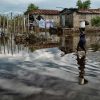
Climate Crisis: Elephants in the Room are Getting Nastier
The year 2020 will forever be notorious for the COVID-19 pandemic but it might also be known by historians for a precipitous rise in second order climate change consequences -- a new elephant in the room.
Put People Before Profits for Progress
Millions of people are expected to die due to delayed and unaffordable access to COVID-19 tests, treatment, personal protective equipment and vaccines. Urgent cooperation is desperately needed to save lives and livelihoods for all.
COVID-19 Vaccination: The Barriers to Achieving Global Herd Immunity
The global community is conducting a rapid vaccination program against the SARS.Cov-2 virus, using several vaccines, authorised for emergency use. To date, the percentages of adults vaccinated vary between less than 2% to over 90% in different countries.
Where are the Women? How Pandemic Decisions are Ingraining Global Gender Bias
There are teams of experts around the world right now tackling the coronavirus pandemic, providing pathways to put an end to this deadly global scourge and charting the course for recovery.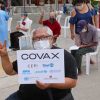
Russia’s Sputnik Diplomacy
While Western countries were busy with their own vaccination campaigns, Russia has filled the leadership vacuum in developing countries. Amid the West’s scramble for vaccines, a trickle of news flies under the radar. Argentina becomes the first country in South America to produce Russia’s Sputnik V vaccine. The first shipment of Sputnik V is promised to Peru by May.
Reimagining Education with Imagination
The month of May marks mental health awareness month or mental health awareness week in several countries around the world. Many people will be reading posts and blogs about the importance of getting more sunshine and exercise to avoid the blues, about ways to deal with the stress of the pandemic, about dealing with everyday challenges that disrupt our striving for happiness.
The UN’s Guterres, an Incumbent With Strong Backing by Europe, Is Bound to Win Another Term
It was all over in one crucial week. Barring an unforeseen hitch, António Guterres is the clear winner of a second, five-year term as secretary-general of the United Nations, beginning on Jan.1, 2022. This was not a surprise: he had no major competition and the process moved faster than expected.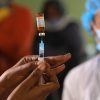
US Support for Vaccine Waiver Welcome, but More Needed
Thanks to President Biden, the US now supports a suspension of intellectual property (IP) rights to increase vaccine supplies. However, without vaccine developers sharing tacit technical knowledge for safe vaccine mass production, it will be difficult to rapidly scale up vaccine output.
Bridging the Digital Divide Will Save Our Planet
Data, analysis and information are essential building blocks in our race to save humanity from the clear and present risks posed by the climate crisis.« Previous Page — Next Page »





The Week with IPS

NEXT STOP - SDGs
Tracking global progress towards a sustainable world
Tracking global progress towards a sustainable world
