Languages
Tuesday, November 17, 2026



News and Views from the Global South
Global

UNFPA Focuses on Contraception for 222 Million in Developing World
When thousands of participants from around the world gather in the Malaysian capital of Kuala Lumpur next week, the primary focus will be on health and empowerment of girls and women.
Cartoons Lead the Way From Humour to Dialogue
By now, most movie fans know that American actor Leonardo DiCaprio was in this southern French city for the annual Cannes Film Festival. But fewer people are aware that Willis from Tunis and Kichka of Israel were also here.
Q&A: “Video Puts the Human into Human Rights”
“We live in a world where billions of citizen witnesses have cameras in their pockets. The opportunities are endless to document human rights violations,” Chris Michael, head of training and partnerships at WITNESS, tells IPS.
Civil Society Under Attack Around the World
In December 2011, 159 governments and major international organisations recognised the central role of civil society in development and promised to create an “enabling” operating environment for the non-profit sector.
Migratory “Flyways” Decimated by Human Expansion
Migratory birds, which play an important role in the complex web of life known as ecosystem services, are under threat as never before, with some species facing extinction within the next decade.
Developing World to Dominate Global Investment by 2030
Over the next decade and a half, a major global shift will result in the developing world controlling roughly half of the world’s capital, up from less than a third today.
Profits vs. Disaster in Arctic Meltdown
Many eyes are turning north to the Arctic, some in horror at the rapid decline of a key component of our life support system, others in eager anticipation at the untapped resources beneath the vanishing snow and ice.
Resource Management Central to Equitable Development
Trillions of dollars a year are being produced through extractive industries, but just a tiny percentage of this money is impacting on the lives of poor communities in developing countries, according to a first-of-its-kind study released Wednesday.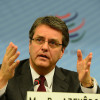
WTO Chooses New Latin American Chief to Mark a Change in Course
Brazilian diplomat Roberto Carvalho de Azevêdo was named the new director general of the WTO with broad support from the developing world, beating out his Mexican rival Herminio Blanco, who was backed by the industrialised nations.U.N., Fluent in Anglo-French, Seeks to Go Multilingual
When Egypt's onetime Foreign Minister Boutros Boutros-Ghali was running for the post of U.N. secretary-general in late 1991, he had to contend with the candidature of Bernard Chidzero, then foreign minister of Zimbabwe.
Toxic Waste on Par with Malaria as a Global Killer
Toxic waste sites in 31 countries are damaging the brains of nearly 800,000 children and impairing the health of millions of people in the developing world, two new studies have found.
Developing Resilience to Financial Shocks
The global repercussions of the 2007-2008 financial crisis are a stark reminder of the economic interdependence in our globalising world. No country was spared from the shock waves that originated in the financial systems of developed economies.
Skilled Midwives May be the Key to Healthy Babies
The story goes like this: a young mother lies quietly in a dimly lit room having just given birth to her baby. For the next seven days she watches over the child with caution, nursing and swaddling it patiently. Fearful that the infant will not survive past a few days, she refuses to give it a name.
Climate Change Adaptation: A Race Against Time
Adaptation and mitigation. Identified by the United Nations Framework Convention on Climate Change and by scientists as the two major responses to address the problem, these were also the twin preoccupations of a climate change conference held recently in Dhaka.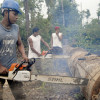
Critics Slam California “Forest Offset” Plan
More than two dozen environmental organisations are urging California Governor Jerry Brown to disregard recommendations from a United Nations task force to include so-called forest “offsets” in the state’s new emissions-trading scheme.
Rich Countries Drag Feet at Climate Talks
Another week of international climate negotiations ended in Bonn, Germany last Friday, but there was little mid-level bureaucrats could do when world leaders remain in thrall to the fossil fuel industry, say environmentalists.
U.N. Accused of Playing Down Nuke Disarmament Conference
Secretary-General Ban Ki-moon is one of the most vociferous advocates of a world free of nuclear weapons.Fragile States Show Signs of Progress Toward MDGs
Twenty of the world’s most fragile states, including those currently affected by conflict, have achieved one or more of the development targets outlined under the Millennium Development Goals (MDGs), the World Bank said this week.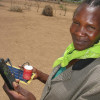
U.N. Harnesses Social Media to Reach Outside World
As the world continues to turn digital, so does the United Nations - slowly but steadily.
WTO, Dubious Prize for a Latin American?
The complicated challenge of invigorating the debilitated World Trade Organisation (WTO) and the multilateral trade system that it governs will fall, for the next four years and for the first time ever, to a Latin American.
Q&A: Schools Need “Transliteracy”
A new social contract is needed in education, that would fully incorporate informatics and the 21st century conception of human rights, French professor Divina Frau-Meigs says in this interview with IPS.« Previous Page — Next Page »


The Week with IPS

NEXT STOP - SDGs
Tracking global progress towards a sustainable world
Tracking global progress towards a sustainable world
