Languages
Monday, November 23, 2026



News and Views from the Global South
Latin America & the Caribbean
ARGENTINA-BRAZIL: Powerful Women Leaders Face Similar Challenges
The high popularity levels of their predecessors smoothed the way for Cristina Fernández and Dilma Rousseff to become presidents of Argentina and Brazil. But they also share the challenge of governing the two biggest countries in South America's Mercosur trade bloc, in the shadow of the leaders who went before them.
PERU: Environmental Crime Doesn’t Pay
A legislative bill in Peru aims to channel the fines for environmental crimes to repair the damages to rivers, soils and other public goods that directly affect the population. Until now, the fines collected have ended up elsewhere in the government.COLOMBIA: Food Prices Rise after Record Rains
Food prices are set to rise in Colombia, due to the combined effects of soaring international prices and local crop losses after nine months of devastating rains. The government expects food prices to rise three percent in February, while independent analysts forecast an increase twice as high.ECUADOR: Seven Foreign Oil Companies to Pull Out
Seven of the 16 foreign oil companies operating in Ecuador have decided to pull out of the country in disagreement with a reformed oil law that turned the firms into providers of services to which the government will pay a fixed tariff for operating the fields.GUATEMALA: High Staple Food Prices Drive Up Hunger
The rise in prices of corn, beans and other staple foods, driven up by damages to crops caused by extreme weather events, is making it even harder for the poor to afford a basic diet in Guatemala, which has the highest rate of child malnutrition in Latin America.
ARGENTINA: Guarani Effort to Strengthen Culture Through Tourism
Since recovering part of their territory in 2005, an indigenous Guaraní community in the northeastern Argentine province of Misiones is working to maintain and expand a cultural tourism initiative.
Mexico Tempted to Shift From Tortillas to Ethanol
Farmers' protests and the rise in corn tortilla prices in late December put temporary brakes on the Mexican Senate, which was preparing to lift the national ban on utilising maize to make fuel alcohol, or ethanol.
BRAZIL: “Don Quixote” of River Transport Starting to Win Battles
It is mere ignorance that stands in the way of Brazil having a broad network of navigable waterways and leads to the wasted potential of the country's great rivers, laments José Alex de Oliva, superintendent of inland navigation at Brazil's national waterways transport regulator (ANTAQ).MEXICO: Native Craftswomen Harness Their Skills
It took María de los Ángeles Carrillo, a native craftswoman from Mexico, eight months to weave a decorative junco reed basket, for which she won an 8,000 dollar prize from the Mexican government.Trinidad Aims to Bypass Privy Council on Death Penalty
Claiming it is the best answer to an escalating murder rate, the eight-month-old People's Partnership coalition has tabled legislation to amend Trinidad and Tobago's Constitution to resume executions.
Q&A: “In Mexico, We Have Let the Violent Ones Do the Talking”
"In Mexico, we have let the violent ones do the talking," says journalist Marcela Turati, author of "Fuego Cruzado" (Crossfire), a new book that tells the stories of victims of President Felipe Calderón's war on drugs, which has left an official death toll of 30,000 in four years.CHILE: Grassroots Heritage Preservation Efforts Growing
With the first National Congress on Heritage Neighbourhoods and Areas, community groups in Chile plan to draw attention to their struggle to defend the country's vulnerable historic heritage.
Set on Fire – New Form of Sexist Violence in Argentina
"I knew he beat her but I never imagined that she would end up like this," Elsa Jerez told IPS, talking about her 24-year-old daughter Fátima Catán, a victim of domestic violence in Argentina who died of severe burns to her body.
JAMAICA: Dying Manufacturing Sector Seeks Govt Cure
For close to 10 years, Patrick Marzouca has just managed to keep his tiny car factory afloat in a rapidly declining productive sector.HAITI: Baby Doc’s Warm Welcome Turns Frigid
Human rights groups are urging Haitian authorities to seize the opportunity of former dictator Jean-Claude Duvalier's surprise return to the country Sunday to prosecute him for the atrocities committed during his 15-year reign.CENTRAL AMERICA: “Mutating” Gangs Sow Terror
"I'm really scared for my four kids, who take the bus to school," said an anguished Alma Valenzuela after a youth gang attacked a passenger bus in the Guatemalan capital, killing nine people, including three children.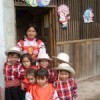
Malnutrition Has an Indigenous Face in Peru
Indigenous children under five in Peru's highlands regions still bear the brunt of chronic malnutrition, even though local authorities in those areas received millions of dollars worth of taxes between 2006 and 2010 from the mining companies operating there.
HAITI-DOMINICAN REPUBLIC: Cholera Chokes Off Border Trade
The cholera epidemic ravaging Haiti has affected even this small southern border town, which lived primarily from the trade with its neighbour even though it counts for less than five percent of the cross-border market trade.Rainfall Patterns Can’t Be Ignored in Climate Change Debate
In discussions of human activities that affect the climate, there is relatively little talk about alterations in rainfall patterns, despite the enormous implications that such changes have on human survival.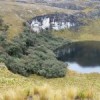
PERU: Local Communities Protect Their Amazon
San Martín is one of the three most deforested Amazon regions in Peru. But now local residents and non-governmental organisations have joined with local and regional authorities to defend the flora, fauna and water resources and halt the destruction of the rainforests.MINING-PERU: Doe Run’s Latest Move
The U.S. mining and metallurgical company Doe Run has once again challenged the Peruvian government. The Renco Group, of which it is a subsidiary, notified the government of its plans to start an international arbitration process, invoking the free trade agreement between this South American country and the United States.« Previous Page — Next Page »


The Week with IPS

NEXT STOP - SDGs
Tracking global progress towards a sustainable world

