
Monday, October 26, 2026



News and Views from the Global South
Africa

The Economic Cost of Kenya’s Insecurity
The wave of insecurity that has hit Kenya in the last few months is causing severe damage to the country's recovering economy, local economists have warned.
Striving to Increase African Food Productivity
For decades food security and self-sufficiency in Africa have been seen as a distant dream. The Comprehensive Africa Agriculture Development Programme, however, hopes to make it a reality, and while it may have begun with a slow start, its coordinators are confident it will produce more positive results in the coming years.
The Price of Ignoring the Sexuality of Kenya’s HIV-Positive Youth
It all started with a fight, one that would change his life forever.

/UPDATE*/ Africa – Calling for a GMO-Free Continent
South African smallholder farmer Motlasi Musi is not happy with the African Centre for Biosafety’s call for his country and Africa to ban the cultivation, import and export of all genetically modified maize. "I eat genetically modified maize, which I have been growing on my farm for more than seven years, and I am still alive," he declared.
Taking the Knowledge of Doha Back to Kenya’s Rural Communities
The skyscraper Qatari capital city of Doha is a far cry from Cecilia Kibe’s home in Turkana district, a remote area in Kenya inhabited by mostly nomadic communities and pastoralists hit hard by the effects of climate change.
South Sudan Oiling Up for Self-Reliance
As South Sudan continues negotiations with Sudan regarding the resumption of oil production and transit, the South Sudanese government says that it is developing its own industry and will start producing fuel for domestic consumption within the next eight months in order to avoid continued reliance on its neighbour.
African Negotiators Saving Kyoto from the Grave
African negotiators attending the United Nations climate change talks in Doha, Qatar say they are determined to ensure that developed countries do not let the Kyoto Protocol die as its commitment period comes to an end.
Q&A: COP18, Another ‘Conference of Polluters’
There is no political will among rich nations to find funding for developing countries experiencing the brunt of changes in global weather patterns, and the current climate change conference will fail to do so, according to Professor Patrick Bond, a leading thinker and analyst on climate change issues.
Developing Senegal’s Urban Agriculture
Watering cans in hand, men and women move back and forth between the wells and water storage tanks and the crops they're watering: carrots, onions, tomatoes, cabbage, and potatoes, as well as fruit trees like palm, coconut, papaya and banana trees.
Political Provocateurs Expose Kenya’s “MaVultures”
A new website linking corruption and other scandals to high-ranking Kenyan politicians, created by a team of political provocateurs, has become one of the most-visited web pages in the country.

Building BRICS
Will the BRICS expand into the BRICSIT?
Tough Foreign Policy Challenges for Somalia’s “Iron Lady”
As little-known politician Fauzia Yusuf Haji Adan was sworn in as Somalia's first female foreign minister and deputy prime minister on Monday Nov. 19, the stateswoman who hails from the unrecognised, self-proclaimed republic of Somaliland is tipped to become the country’s “Iron Lady”.

Teach a Woman to Farm…And She Creates Jobs
Give a woman a hand-out and you feed her for a day. But teach her to farm, and how to add value to her product, and you feed her and her family for a lifetime. And if she happens to be Nigerian smallholder farmer Susan Godwin, she in turn will also provide jobs for her community and become a national food hero.
How African Men are Changing Traditional Beliefs
Charles Kayongo of Uganda is a father of two girls aged five and three. And even though age-old traditions among his ethnic group, the Baganda, say a man should have an unlimited number of children and a son as an heir, Kayongo refuses to have more children.
No Contraceptives Means More Illegal Abortions in Uganda
Every day at least five women are brought to the gynaecological ward of Uganda’s Mulago National Referral Hospital in Kampala for treatment for complications caused by crude attempts to terminate their pregnancies.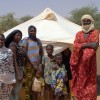
Will Mali’s Prime Minister Resign?
West African heads of state have restated their determination that no member of Mali's transitional government will be allowed to stand in the country's next presidential election. Their statement has fed a growing debate over who should be allowed to run.Little Hope for an End to Ogaden Conflict
Many were hoping that recent peace talks between the Ethiopian government and Ogaden rebels would signal an end to the gruelling 18-year-old conflict. The latest round of talks, however, dashed all dreams of peace between the two sides.Senegal Villages Aspire to Self-Sufficiency in Rice
The residents of five villages in the Boyard Valley, in southwestern Senegal, are freeing themselves from "the tyranny of imported rice" by stepping up local production of this important staple food.
Dark Days Loom for Malawi Tobacco
The latest proposals by the World Health Organization Framework Convention on Tobacco Control to stop farming of the crop could potentially affect about two million livelihoods in Malawi and decide the fate of an entire nation struggling with a sputtering economy.
The Sun Rescues Rural Cameroonians from “Incessant Darkness”
In the small farming village of Sabongari, in Cameroon’s North West Region, the need for kerosene to light bush lamps and petrol to run electric generators has been replaced by the need for something much cheaper and cleaner: sunshine.
Keeping the Veil on Women’s Electoral Participation
Cameroon’s new biometric registration of voters may end up disenfranchising many potential voters, especially women in the country’s predominantly Muslim north where cultural practices may prevent them from having their photos taken.« Previous Page — Next Page »





The Week with IPS

Tracking global progress towards a sustainable world
